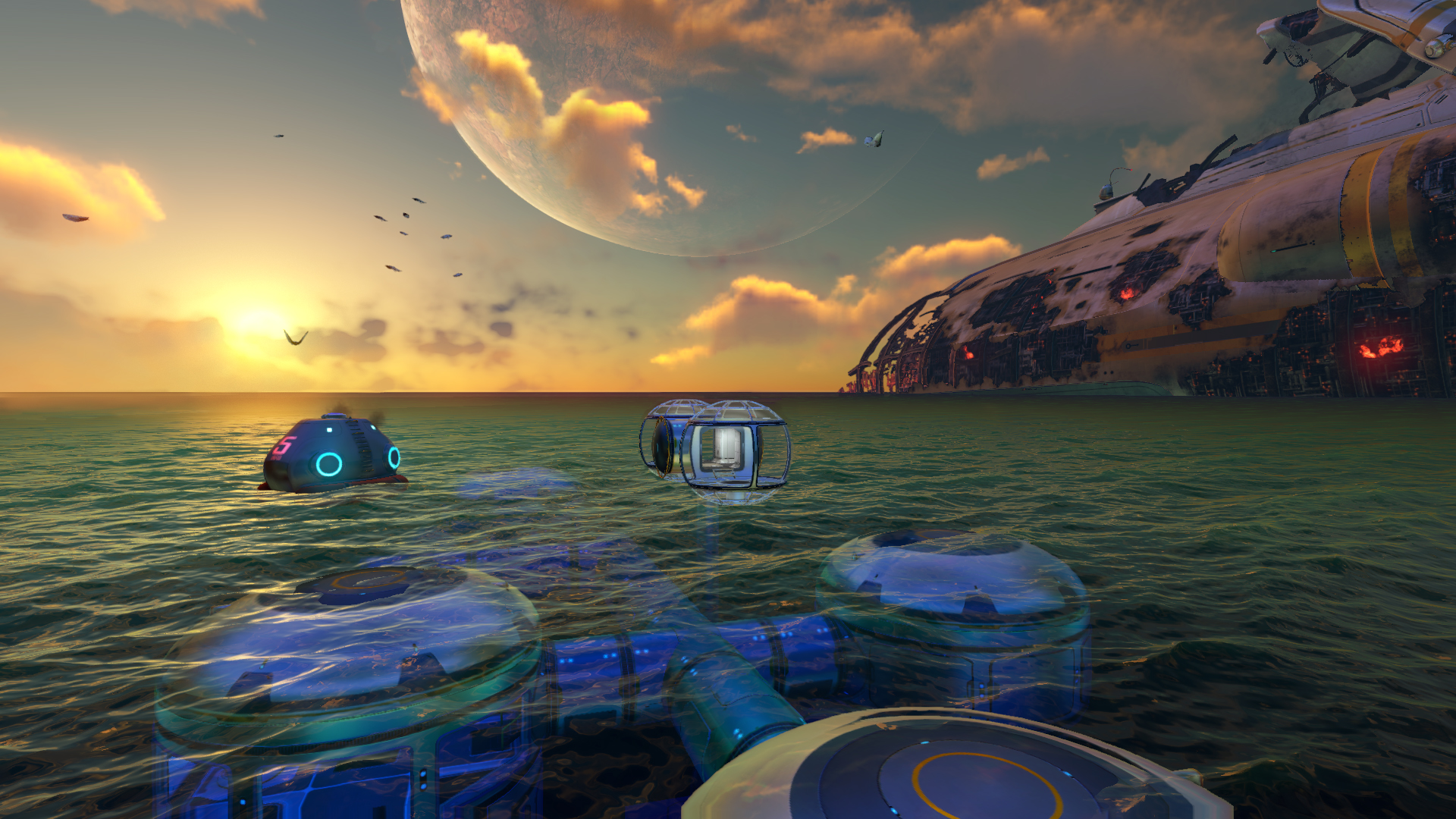
Subnautica Vehicle Guide
Dive into our ultimate guide for mastering Subnautica vehicles! Learn crafting, upgrades, hazards, routes, and maintenance to enhance your oceanic adventure.
The Subnautica Vehicle Guide offers a comprehensive overview of the various vehicles available in the game Subnautica. This guide provides detailed information on each vehicle's features, capabilities, crafting requirements, and their roles within the game's underwater environment. Understanding these vehicles is crucial for efficient exploration, resource gathering, and survival, as they significantly enhance mobility and safety in the diverse biomes of planet 4546B. This guide serves as an essential resource for players seeking to maximize their gameplay experience by effectively utilizing each vehicle to navigate the challenging underwater world.
Getting Started with Crafting
Crafting your first vehicle in Subnautica is a game-changer. It opens up a whole new world of exploration and safety, making your deep-sea ventures more exciting and manageable. To kick things off, you’ll need to assemble a few essential tools and gather some resources.
Gather Essential Resources
Before you start with your vehicle, ensure you have the basics:
-
Titanium: A fundamental material in crafting, titanium is harvested from metal salvage, limestone outcrops, or titanium deposits. Keep a healthy supply.
-
Glass: Crafted from quartz, glass is crucial for most of your building endeavors.
-
Lubricant: Harvest and process creepvine seed clusters to derive lubricant.
-
Power Cell: Energize your new vehicle with power cells made from batteries and silicone rubber.
Having these resources ready will streamline your crafting process.
Craft the Mobile Vehicle Bay
Before creating your first submersible, you need a Mobile Vehicle Bay. This floating platform is where you’ll assemble larger vehicles like the Seamoth or Cyclops.
Materials Needed
- Titanium Ingot (x1): Create this by combining ten titanium units.
- Lubricant (x1): Extract from creepvine seed clusters.
- Power Cell (x1): Requires two batteries and one silicone rubber.
Once you’ve collected these, use your fabricator to craft the Mobile Vehicle Bay.
Deploy and Use the Vehicle Bay
Now that you've crafted it, deploy the Mobile Vehicle Bay in open water. Climb atop and open its interface to start crafting your vehicle.
Crafting the Seamoth
The Seamoth is your first real vehicle, compact yet efficient. It enhances your mobility and offers protection from hazardous marine life.
Materials for Seamoth
- Titanium Ingot (x1): Again, made from ten titanium units.
- Power Cell (x1): Ensure you have spare batteries to recharge it once depleted.
- Glass (x2): Best to prepare in advance by collecting enough quartz.
- Lubricant (x1): Keep creepvine clusters handy.
- Lead (x1): Mine from galena outcrops or search for deposits.
Once you've checked each item off your list, return to the Mobile Vehicle Bay to start building.
Embrace the Features of the Seamoth
The Seamoth is not just a means of transportation; it's equipped with features to make your aquatic missions safer:
-
Speed: Swift and maneuverable, allowing you to outrun threats.
-
Depth Upgrade: Upgradable to explore deeper regions--a must-have for uncovering rarer resources.
-
Storage Module: Adds extra slots for long gathering trips.
Prepare for Your Maiden Voyage
With your Seamoth crafted and ready to go, give it a personal touch with some paint or name it for fun. Load it up with supplies, such as first-aid kits and extra batteries, for an extended journey under the sea.
Final Checklist
- Ensure your power cell is fully charged.
- Pack a light ration of cured fish and water.
- Equip any add-ons like sonar or torpedo systems if available.
All set to take the plunge? Your new ride will open up more of Subnautica's hidden assets and allow you to gather more valuable resources. Cruise through the aqua-blue depths with confidence and curiosity!
Crafting your first vehicle is only the beginning. Keep an open mind and an adventurous spirit as you venture further, discovering more elements to enhance your gameplay experience in Subnautica. Safe travels, captain!
Upgrading Vehicles in Subnautica
Once you’ve crafted your vehicles and begun exploring the vast underwater landscapes of Subnautica, the next step is to make these vehicles as efficient and resilient as possible. Upgrading your vehicles not only stretches their capabilities but also keeps you safe in the game's more dangerous environments.
Understanding the Upgrade System
Subnautica’s vehicle upgrade system allows you to enhance and modify your vehicles with various modules. These upgrades offer benefits such as improved speed, deeper diving capabilities, reinforced armor, and expanded storage. To manage and install these upgrades, you’ll need to access the vehicle’s upgrade panel, usually located on the vehicle itself or inside when you're talking about the Cyclops. Let's break it down by vehicle type.
Upgrading the Seamoth
The Seamoth is the go-to vehicle for nimble exploration. To push its limits, you'll want to consider installing a variety of modules.
Key Upgrades for the Seamoth
-
Depth Module (Mark I, II, III): Each tier increases the Seamoth's maximum safe depth, allowing you to investigate deeper areas without succumbing to water pressure.
-
Solar Charger: This handy upgrade recharges the Seamoth's power cells during daytime operations, especially useful during lengthy expeditions.
-
Hull Reinforcement: Minimize damage from hostile creatures and accidental crashes with this upgrade.
-
Sonar Module: Gain an edge with a sonar system that can map out your surroundings, helping steer clear of potentially dangerous creatures or terrain.
Simply fabricate these modules at a Vehicle Upgrade Console in your Moonpool and equip them to your Seamoth through the upgrade panel.
Enhancing the Cyclops
The Cyclops is your mobile base, offering significant advantages for long-duration excursions and acting as a home away from home.
Cyclops Upgrade Modules
-
Engine Efficiency Module: This dramatically reduces the power consumption of the Cyclops, an essential upgrade for long trips.
-
Shield Generator: Provides a temporary energy shield to safeguard against danger.
-
Thermal Reactor Module: Convert the ambient heat of volcanic regions into power, keeping your Cyclops online in energy-deficient areas.
-
Docking Bay Repair Module: Automatically repairs docked vehicles within the Cyclops--great for routine Seamoth or Prawn Suit maintenance.
Each of these modules can be built at the nearby Vehicle Upgrade Console and placed into the Cyclops’ upgrade panel.
Amping Up the Prawn Suit
The Prawn Suit is built for durability and heavy-lifting operations. Its upgrades should reflect its strength and versatility.
Essential Prawn Suit Upgrades
-
Drill Arm: Break down large resource deposits, giving you access to valuable materials.
-
Grappling Arm: Enhance your mobility with this arm that allows you to traverse difficult terrain or climb steep inclines effortlessly.
-
Depth Module: Like the Seamoth, increasing the Prawn Suit's depth limit is vital for deep-sea mining operations.
Installing these upgrades involves first crafting them at the Vehicle Upgrade Console. Attach them through the Prawn Suit’s upgrade slots.
General Tips for Upgrades
- Plan Ahead: Consider which environments you'll explore next. Equip depth modules before journeying into deeper biomes.
- Resource Management: Upgrading requires specific resources. It's wise to collect a wide range of materials to prevent delays.
- Balance Loadouts: Find a balance between defensive, utility, and movement modules to suit your playstyle.
Conclusion
Upgrading your vehicles in Subnautica transforms them from basic machines into versatile tools of exploration and survival. Carefully chosen upgrades not only boost performance but also unlock new opportunities to gather resources, explore more obscure zones, and face the ocean's challenges head-on. By investing in these enhancements, you ensure your ventures are not only safe but also highly efficient--and maybe even a bit more fun. So equip those upgrades and sail into the unknown!
Handling Ocean Hazards
Navigating the vast underwater world of Subnautica is an exhilarating experience, brimming with opportunity. Yet, beneath the cerulean waves, threats abound. Successfully tackling these ocean hazards is pivotal to ensuring your survival.
Understanding Marine Predators
The alien oceans of Subnautica teem with various predators, each posing its own set of challenges. Familiarizing yourself with these creatures can help you avoid unwanted encounters.
Common Threats
-
Stalkers: These aggressive, slender predators are often found in kelp forests. While menacing, they're usually more interested in metal scraps. Keep your distance and avoid flashing any bright lights or fast movements to minimize attention.
-
Sand Sharks: Preferring the sandy seabeds, Sand Sharks burrow into the sand and attack when you least expect it. A strategic retreat into tighter, rocky spaces often deters them.
-
Reaper Leviathan: Among the ocean's most formidable foes, the Reaper Leviathan has a reputation that precedes it. When navigating areas like the Aurora’s crash zone, proceed with extreme caution, maintaining distance and using sonar to spot these giants in advance.
Defensive Strategies
When danger is unavoidable, having a plan can significantly alter the outcome.
Tools for Defense
-
Stasis Rifle: An invaluable tool against aggressive fauna, the stasis rifle can temporarily freeze creatures, affording you a precious window to escape.
-
Repulsion or Propulsion Cannon: Useful for push-back tactics, these cannons can eject smaller creatures at a distance or hurl debris in a pinch, providing an escape route.
-
Flares: In low-risk encounters, flares can distract certain creatures, allowing you to slip away unnoticed.
Hazardous Environments
While creatures are a primary concern, environmental hazards lurk as well.
Navigating Perilous Waters
-
Ghost Vines and Acid Mushrooms: They might seem harmless, but get too close and they can inflict damage. Avoid direct contact and proceed with caution through dense areas.
-
Thermal Vents: If your journey takes you over thermal vents, be mindful of sudden temperature spikes. A swift pass is usually safe, but lingering too long can result in heat damage to you and your vehicle.
-
Crashfish Explosions: Often found in shallower biomes, these fish live in sulphur plants and explode upon provocation. Use swift movements to avoid their sudden blast radius.
Proactive Exploration
Thinking proactively rather than reactively can sometimes make all the difference. Here are some steps to mitigate risks before they occur.
Preparatory Measures
-
Scan your surroundings: Use your scanner to learn about new biomes and the creatures within them. Knowledge is your first line of defense.
-
Equipment Check: Ensure that your equipment, like oxygen tanks and fins, are upgraded for efficiency. Speed and extended dive times provide significant advantages.
-
Inventory: Have a strategic inventory setup, balancing between defensive tools, health packs, and essential resources. Quick access to these can turn the tide in hazardous situations.
Conclusion
By understanding the potential risks and equipping yourself with the right tools and knowledge, ocean hazards become navigable challenges rather than insurmountable threats. Stay vigilant, and keep your cool when danger arises. With these strategies, you'll sail safely through Subnautica's mysteries, always prepared for whatever the deep brings your way. Subnautica offers a sprawling underwater world filled with mystery and intrigue. While exploring, efficiently navigating its many biomes is key to ensuring you save time and maximize your resources. Here are some strategies and tips on how best to traverse the underwater expanse, allowing you to focus on the thrill of discovery and adventure.
Efficient Traversal Routes
Navigating Subnautica’s vast aquatic landscapes can feel overwhelming. However, creating efficient routes ensures you maintain energy reserves, optimize your resources, and keep your expeditions smooth and enjoyable.
Utilize Map and Beacons
Maps and beacons are invaluable tools for planning and executing your underwater journeys. Proper use of these can significantly streamline your route planning.
-
Map Out Your Journey: Before venturing out, consult your in-game map. Familiarize yourself with the layout of major biomes and significant points of interest, such as Lifepods and wreck sites, to chart a course that minimizes unnecessary trips.
-
Set Beacons: Deploy beacons at critical locations. This not only aids in navigation but also helps in marking rare resource spots or dangerous areas to avoid. A clear beacon system ensures you're always oriented and can make informed decisions on-the-fly.
Optimize Vehicle Travel
Your vehicles, like the Seamoth and Cyclops, play an essential role in efficient travel. Making strategic use of these can redefine your exploration.
-
Seamoth for Short Trips: The Seamoth is perfect for shorter trips or areas requiring agility. Utilize its upgrades like solar chargers for daytime travel and storage units for resource collection.
-
Cyclops for Extended Adventures: For longer expeditions, the Cyclops provides a mobile base, allowing for safe recharging of smaller vehicles and storing essential supplies. Use it as a staging point for deeper dives or when traversing between multiple biomes.
Plan Routes Based on Resource Needs
Resource management is critical in Subnautica, and planning your routes based on what you need can save significant time and effort.
-
Resource Targeting: Identify the specific resources you seek, whether it’s titanium or rare materials like kyanite. Align your route to visit biomes rich in these resources, reducing aimless wandering and maximizing collection.
-
Resource Staging: Create mini-bases at strategic points in resource-rich areas. This allows you to gather materials efficiently without constant returns to your main base, promoting productivity during your expeditions.
Energy Management
Keeping an eye on your energy usage is crucial to maintaining efficiency, especially in hostile areas where power drainage can be rapid.
-
Monitor Power Levels: Regularly check vehicle power levels, especially for long journeys. Carry spare energy cells or power modules for your Seamoth or Cyclops to prevent getting stranded.
-
Solar Recharge: Take advantage of solar-powered upgrades for both bases and vehicles when convenient. This can cut down on resource usage and extend your exploration time without returning for recharges.
Safety First Approach
While it might be tempting to head straight into the depths, prioritizing safety can prevent costly mistakes and setbacks.
-
Avoid Dangerous Zones: Plan routes that circumnavigate areas known for aggressive wildlife like the Reaper Leviathans, unless you're prepared to engage and evade effectively.
-
Scout First: Conduct preliminary scouting of unfamiliar regions using drones or quick Seamoth trips. This reduces the risk of running into unexpected hazards unprepared.
Conclusion
Managing traversal in Subnautica not only conserves your vital resource but also lets you enjoy the marine wonderland with far fewer interruptions. By leveraging your tools wisely and planning your expeditions, you turn a chaotic and challenging world into one of methodical exploration and endless excitement. Grab your map, set your beacons, and let the adventures commence with confidence and clarity.
Vehicle Maintenance
Keeping your vehicles in top condition is a vital aspect of successful exploration in Subnautica. Whether you're piloting the agile Seamoth, the robust Prawn Suit, or the massive Cyclops, maintaining these mechanical lifelines enhances your survival prospects and exploration efficiency. Here's how to keep your submarines and suits in peak form.
Regular Repairs
Vehicles take damage from collisions, hostile fauna, and environmental hazards. Regular repairs are essential to prevent potentially disastrous failures mid-mission.
-
Repair Tool: Within your arsenal, the repair tool is indispensable. Always carry it on your expeditions. If your vehicle starts sparking or showing health bar warnings, use the tool immediately to restore it to full health before things get out of hand.
-
Damage Awareness: Keep an eye on the ambient damage indicators on your vehicle's HUD. Address any dings promptly to reduce the chance of total vehicle failure, especially in dangerous areas.
Energy Efficiency and Management
Without power, even the most robust vehicle is just a hunk of metal. Ensure your vehicles always have the juice they need.
-
Battery Upkeep: Seamoths and Prawn Suits are powered by power cells, whereas the Cyclops relies on multiple power cells. Monitor energy levels and carry spare power cells, which you can recharge at your base. Consider crafting some power cell rechargers for extended forays.
-
Solar Upgrades: Equip solar upgrades to improve energy sustainability during daylight explorations. This is particularly helpful for short, daytime trips, dramatically reducing your reliance on carried power cells.
Customization and Upgrades
Customizing and upgrading your vehicles not only makes them more efficient but also expands their capabilities.
-
Seamoth Modules: Equip the Seamoth with depth modules to dive deeper, or add hull reinforcements for extra durability. You can also add storage modules to carry more loot or a perimeter defense system to fend off predators.
-
Prawn Suit Enhancements: The Prawn Suit is your underwater exosuit. Drill arms allow resource collection directly, and the grapple arm enhances mobility. More powerful power cells can also be added for longer deployments.
-
Cyclops Expansions: Enhance the Cyclops with depth modules that let you reach further biomes or stealth modules to avoid detection by leviathan creatures. More substantial defenses like shield generators can also be critical.
Pre-Expedition Checks
Before setting out, verify several key aspects to avoid getting stuck far from home.
-
Conduct a Checklist: Check fuel levels, power cells, and repair status. Running through a quick list before leaving can prevent costly mistakes.
-
Upgrade Inventory: Make sure all installed upgrades fit your current mission objectives. Adjust according to the expected hazards and required depths.
-
Essential Supplies: Pack extra batteries, food, water, and a repair tool. These basics ensure you're ready for emergencies.
By attending to vehicle maintenance, you secure your underwater adventures from unwelcome disruptions. These machines are your lifelines beneath the waves, so treat them well and they'll serve you reliably.
Conclusion
Vehicle upkeep in Subnautica transforms potential peril into seamless marine journeys. Through regular repairs, efficient energy strategy, thoughtful upgrades, and pre-expedition checks, your exploration missions are shielded from unnecessary hindrances. Prioritize maintenance to focus on what truly matters - the thrill of discovery and the wonder of the deep.