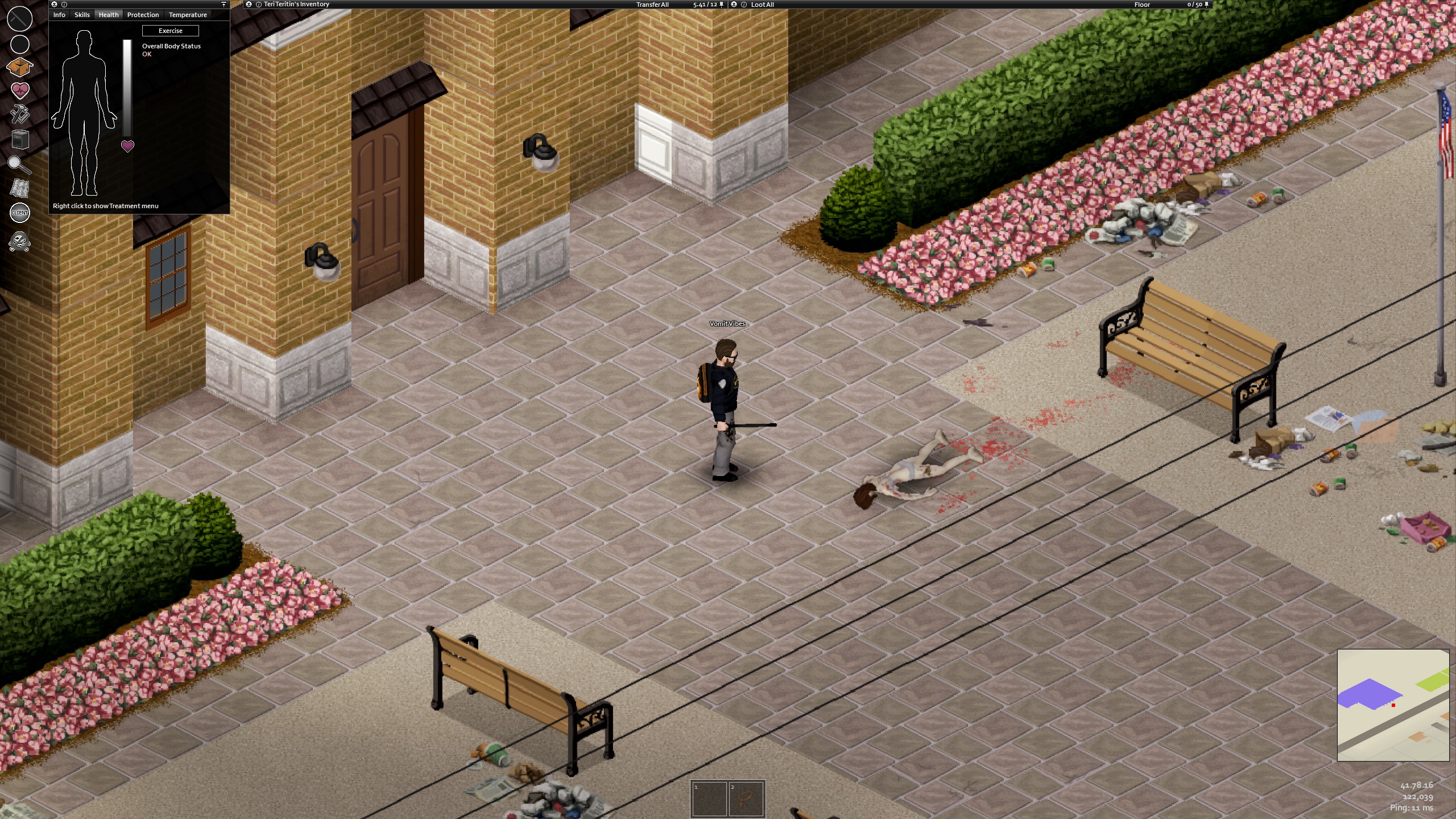
Project Zomboid: Base Building and Long-Term Survival Guide
Master long-term survival in Project Zomboid with tips on base selection, fortifications, farming, defense tactics, and planning for lasting success.
Surviving the apocalypse in Project Zomboid isn't just about outrunning zombies or scavenging supplies--it’s also about thinking strategically and planning for the long haul. Anyone who has spent some time wandering around Knox County knows that temporary hideouts won't cut it forever. Establishing and fortifying your own base is essential once you've dealt with immediate survival threats, as it's the heart of long-term stability. Solid foundations, practical design, and smart resource management will help maintain your sanity, safety, and supplies, making day-to-day life in this zombie-infested world feel a bit more manageable. But there's more to it than just building walls and barricading windows; understanding the mechanics behind base building and sustainability can be a real lifesaver once the power goes out, food becomes scarce, and zombies start closing in.
Choosing a Location: Where to Settle Down in Knox County
Picking the right spot for your long-term base is key if you hope to survive beyond the initial chaos in Project Zomboid. Knox County, Kentucky, might've been a quaint, sleepy place once, but these days it's crawling with zombies--and securing the wrong location could end your run real quick. Let's break down what to look for when choosing your base location, highlighting strong options and potential pitfalls to avoid.
Proximity to Resources: Think Ahead and Stay Supplied
Before deciding to lug all your precious supplies halfway across the map, take a good look around your location. You want to settle somewhere you can quickly grab essentials like food, medicine, tools, and materials without wandering too far into zombie territory. Places near gas stations, grocery stores, or medical centers might seem ideal at first glance. But be cautious: these high-value locations usually come with higher zombie populations and need extra careful clearing.
Some survivors prefer quiet edges of neighborhoods or rural farms. These spots offer fewer zombies and extra safety, but you trade away easy access to everyday items. If you choose such a spot, you'll need to hike back into town regularly--and carefully--to resupply. Weigh these trade-offs based on your playstyle: is convenience more valuable than safety to you, or are you willing to venture out periodically in exchange for fewer roaming undead?
Ideal Locations for Easy Supplies
- Southern Muldraugh: Commercial buildings and warehouses close by mean lots of supplies within reach for early fortification and long-term survival. But remember, convenience comes with more zombies, so be prepared to fight or sneak wisely.
- West Riverside: Often overlooked but far enough from downtown hordes. Riverside provides decent building materials, food, and equipment if you're smart about your looting trips.
Quiet But Riskier Choices
- Isolated Cabins & Farms: Scattered cabins or farms farther from town offer silence and solitude. They're safer initially, but supply runs will tax your character's stamina and resources.
- Outskirts of Rosewood: South Rosewood has fewer zombies early on, but supplies are limited. This region is good for experienced survivors looking for quiet, slow-paced base-building.
Defensibility and Safety: Find the Perfect Balance
No matter how many supplies you gather, your base won't last if zombies pour through your weaker entry points. Choose buildings with limited ways in--fewer windows and sturdy doors--or set up fences and barricades early. High fences behind your property, such as those found around warehouses or isolated industrial buildings, slow down undead hordes significantly and buy you critical moments in case of an emergency.
Remember: if your chosen home has multiple floors, the upper levels become safer living spaces, since zombies initially only bash in from the ground level. Stairs are easy choke-points and provide safer sleep and storage areas. Just make sure you have escape routes figured out if things get ugly downstairs!
Defensible Spots for Beginners & Intermediate Players
- Muldraugh Warehouse: A popular spot, featuring heavy-duty fencing, multiple floors, and ample storage space. Ideal defensive starting point, but be ready to clear zombies first.
- Westpoint School or Gated Communities: Schools and gated residential areas have fences, large secure buildings, and room to build gardens or rain collectors. Great long-term choices, as long as you're comfortable fighting through a crowd initially.
Advanced Player Choices (Risky but Rewarding)
- Prison near Rosewood: Massive defensive potential, thick concrete walls, organized structures. Extremely difficult to clear, but one of the safest long-term options if done successfully.
- Large Factory at Riverside: Defenses are tougher here, but the sizable open space and natural fences give solid long-term building options.
Future-Proofing your Location: Sustainability Matters
Survival in Project Zomboid isn't just about grabbing weapons and month-old pie filling from abandoned bakeries. To keep yourself alive well beyond the first winter, choose bases that have or make room for gardens, rain collectors, and future expansions. When the taps go dry, stored food rots, and electricity vanishes, you'll thank yourself for thinking about long-term sustainability.
Safe, discreet farming spaces behind your base provide ongoing nutrition and drastically reduce your trips into crowded urban networks. You can fish if your base sits near the lake or river--and store rainwater for drinking, cleaning, and farming. Don’t overlook sustainability when scouting your future fortress location.
Best Sustainability Spots in Knox County
- Riverside and the Riverbank: Easy access to fishing and water makes Riverside a great current and future food source.
- The Farms south of Muldraugh and Rosewood: Farming-friendly terrain, fewer zombies, isolated enough to plan extensive expansion if necessary.
- Properties Near Lakes: Lakes and ponds give a nearly unlimited supply of water and food through fishing. Quiet locations like fishing cabins are limited, but ideal sustainable outposts.
Conclusion: Selecting the Right Spot Makes Survival Easier
There's no single perfect location in Project Zomboid--each potential base has strengths and weaknesses depending on your style. Before settling down and building walls, think carefully about your comfort with zombie encounters, nearby supply zones, defensibility, and availability of long-term renewable resources.
Surviving in Knox County is challenging, but selecting a strategically sound base gives you an essential advantage. Take time investigating and evaluating your choices; your life--and your sanity--may depend on it.
Fortifying Structures: Protect Your Base and Stay Alive
You've found your ideal hideaway, looted some valuable gear, and settled down. But abandoning caution now would be fatal. Zombies roam relentlessly in Project Zomboid, always hunting for an easy meal--so fortifying your home should be a top priority on day one. Let's get practical: what's your plan when the undead stumble through your front yard?
Barricades 101: Simple Defenses for Beginners
Any structure you choose has windows and doors that zombies will aggressively pound through. Step one: fortify those entry points and keep undead jaws at bay.
Grab yourself some basic tools--hammers, nails, and wooden planks. These common supplies pop up frequently in garages, hardware stores, and warehouses. Once equipped, barricading is straightforward: right-click the window or door, select "Barricade," and your character gets to work. The more planks you hammer on, the stronger the barricade becomes. A freshly boarded window can usually hold off a determined zombie just long enough for you to deal with threats actively or escape out the back.
For stronger but still beginner-friendly options, consider metal sheets instead of planks. Metal sheets guard entryways longer than wooden boards, but require propane torches and welding equipment. If you’re not comfortable venturing into zombie-infested warehouses quite yet, wooden planks will do just fine at the start.
Finding Fencing and Creating Choke Points
Fences save lives--seriously. Zombies in Project Zomboid are bad at climbing and struggle crossing fences swiftly, especially if they're tall or reinforced types around industrial buildings. Even basic wooden fences around suburban yards can slow zombies down enough for decisive action or safe retreat.
You can create homemade fences by collecting planks and nails. Better yet, existing fences around chosen bases like schools and warehouses serve as excellent defensive buffers right from the start. Pay close attention to fences when scouting bases: a place with existing tall chain-link fences is your friend. Just make sure you're still leaving an escape path--fences are great protection, but don't accidentally box yourself in.
Choke points--tight spots zombies have trouble squeezing through--should become central to your fortifying strategy. A narrow hallway, doorway, or stairs leading up to second-story rooms make ideal choke points. Hold your ground in these cramped locations to control zombie swarms carefully; zombies trickle in slower and get taken down individually instead of overwhelming you in groups.
Advanced Structural Defenses: Walls, Doors, and Traps
As your character survives longer and gains skill, consider ambitious base upgrades. Proper defensive walls--built from logs, planks, or even corrugated metal walls crafted with welding skills--keep hordes out for weeks or months. Building complete perimeter walls demands patience and skill but dramatically improves your long-term chances. A walled compound becomes a survivor paradise, letting you sleep soundly, cultivate food undisturbed, and safely store loot you've painstakingly gathered.
Heavy, reinforced doors add significant protection to key access points. Consider swapping the standard wooden doors on high traffic areas for metal doors, created from salvaged sheets of metal. A reinforced door withstands zombies pounding far longer before cracking, giving you ample time to respond or escape from sudden sieges.
Feeling especially crafty (and slightly sadistic)? Traps can hurt--and sometimes even kill--zombies that wander too close. Though Project Zomboid doesn't feature standard spike traps like some survival games, that's no reason not to get creative: advanced players sometimes build maze-like paths around bases lined with barbed wire fencing. This setup injures zombies, slowing their advance dramatically while buying precious time and saving your supplies. Remember, though, traps and mazes require a fair bit of building and maneuvering--probably best left for resource-rich mid to late-game survivors.
Barricaded Windows: How Much Protection Do You Really Need?
The amount you board up windows depends entirely on your situation. Near large towns or dense neighborhoods, triple layers of barricades are prudent; zombies regularly wander through, and continual pounding wears down your defenses faster. If your base sits quietly in the countryside, two or even a single layer is usually plenty--just enough to give you time to react if that rare random horde appears.
Consider window curtains or sheets as well: they block line of sight and prevent curious zombies from noticing you quietly reading and munching stale crackers inside. Survivors often underestimate this minor detail, only to regret neglecting it when hordes gather, attracted to movement or lights through uncovered windows.
Stairs and Upper Floors: Your Last Line of Safety
When things go sideways--and they will eventually--upper floors become your safest fallback zone. Zombies in Project Zomboid can't climb ropes or ladders; use sheet ropes made from cloth sheets or clothing tied securely to upstairs windows to give yourself quick up-and-down movement without exposing your main stair entry points.
Meanwhile, barricade or seal stairs deliberately during dangerous sieges. Also, consider destroying staircases entirely if you want fully secured upper-level living spaces, accessible only through sheet-rope climbs from specific windows. It's an advanced approach, and once you remove stairs, there's no easy way back downstairs. Plan carefully--secure but isolated floors without stairs can quickly become prison cells if your ropes and windows become inaccessible.
Regular Maintenance: Repair Before Zombies Break In
After any attacks, don't let damage linger. Regularly inspect your barricades, walls, doors, and fences. Repair early to avoid failed emergency defenses. Planks and nails are easy to scavenge regularly, so don’t skip minor maintenance chores; fixing defenses a little every day beats scrambling breathlessly during a surprise zombie swarm.
Quick Tips for Fortifying Success
- Avoid noisy construction at night--sound attracts zombie attention.
- Keep extra barricade supplies on hand for quick emergency fixes.
- Always leave escape routes ready for worst-case scenarios.
- Rotate scavenged supplies often, keeping fresh wood and metal ready to reinforce.
Fortress Knox: Your Key to Lasting Survival
At its heart, Project Zomboid survival is essentially about defense. Every skill you learn, item you scavenge, and building you fortify prepares you for Knox County’s unforgiving undead threat. Start small if you're new--barricade windows with wood planks, reinforce doors, build makeshift fences. As confidence and supplies accumulate, upgrade to sturdy walls, creative traps, and smart chokepoint strategies.
No walls stop zombies forever, but durable defenses slow them down long enough for you to fight, hide, or escape safely--that's the difference between one-week survivors and champions who stubbornly survive for months or even years in Project Zomboid's bleak zombie apocalypse landscape.
Farming and Food: Sustainable Survival in a Zombie Apocalypse
No defenses or barriers matter if starvation hits you first. Project Zomboid's world gradually empties of its canned goods and packaged snacks, leaving you to depend on your own farming skills for food security. Mastering farming can shift you from panicked scavenger to confident survivor, ensuring that hunger never sends you into dangerous situations you could otherwise avoid.
Getting Started with Farming: Tools and Basics
Farming isn't complicated or flashy, but it's a game changer. At its simplest, you'll need seeds, water, and farming utensils. Seeds like cabbage, carrots, potatoes, radishes, strawberries, and tomatoes are your main crops--found commonly in residential kitchens, hardware stores, and supermarkets. Beyond that, grab a trowel or shovel for digging plots, and a watering can or even just pots and bowls for watering your budding crops.
To start planting, wield your digging tool, right-click on softened grass or soil, and select "Dig Furrow." With this simple move, dirt patches ready for planting appear. Equip seeds, click on the tilled furrow, and select the "Sow Seed" option. Soon enough, tiny sprouts will grow upward from the barren ground.
Agricultural Tips: Keeping Crops Alive
Plants don't just survive unattended. Once you plant your seeds, you need to look after your new garden--checking regularly, watering appropriately, and dealing swiftly with pests or diseases. Water is your first concern. Crops need hydration every few days--click "Info" on individual plants for updates on soil moisture levels. Overwatering can cause diseases; underwatering leads to withered plants and disappointing harvests. Proper moisture levels read as "Fine" in the plant info menu--stick close to that benchmark for healthy yields.
Beyond regular watering, watch carefully for hungry insects or harmful diseases. If pests strike, crafting insecticides from cigarettes and spray cans (combine them in your crafting window) solves insect issues quickly. Mildew afflictions, meanwhile, can be tackled by applying crafted mildew spray solutions, made using empty spray cans and milk. Reacting early can rescue most crop diseases from spreading catastrophe.
Don't forget fertilizer--composted rot or bags found in garden stores helps speed growth significantly. If you're stuck without fertilizer, don't panic; it's not absolutely necessary, just helpful.
Harvesting Crops and Maximizing Preservation
Once crops grow fully mature--click 'Info' to check--they're ready for harvesting. Yield sizes depend heavily on your farming skill; bonus veggies pile up as your skill rises. Early farmers see modest harvests, while skilled green thumbs reap heaps of produce to store away or trade.
Harvest excess crops carefully: you'll want quick methods to preserve valuable food. Refrigerators only last a limited time without electricity. This makes preservation a top priority.
There are two reliable long-term preservation methods you should learn:
-
Cooking and Jarring: Use mason jars found in kitchens and grocery stores to preserve fresh veggies by cooking them first, then sealing in a jar. Keep one eye peeled for vinegar, sugar, and jar lids--important tools for successful canning.
-
Building Crates for Storage: Stash harvested vegetables in durable crafted crates. While they'll still eventually rot, utilizing crates as dark, cool storage slows decay dramatically, extending freshness significantly over open-air storage options.
These preservation methods make farming truly sustainable, keeping your hard-grown veggies edible long-term. Don't make the mistake of leaving crops to spoil on countertops.
Hunting, Fishing, and Foraging: Supplement Your Diet
Fortified bases with flourishing gardens shouldn’t entirely forget other food methods. Hunting, fishing, and forging complement farming perfectly.
-
Fishing: Grab fishing rods, crafted fishing spears, and bait. Wait patiently near ponds, lakes, or rivers in Knox County. Often overlooked, fishing provides excellent supplementary protein, especially when canned goods vanish from shelves indefinitely.
-
Trapping and Hunting Small Game: Wire cage traps or stick traps placed skillfully yield rabbits, squirrels, and birds. Traps left overnight baited with veggies or worms (dug from fertile soil) can enrich your menu fast.
-
Foraging: Gathering fruits or mushrooms from woods revives monotonous meals with freshness. Increasing your foraging skill means you'll find more nutritious treats hidden away; these surprise discoveries can fight monotony and boost your meal quality.
Mixing agriculture and wild resources together solidifies a balanced diet, preventing nutritional boredom that lowers morale and performance.
Farming and Food Management Quick Tips
- Water crops responsibly--don't flood or starve your plants.
- Use plentiful veggies you grow in meals to boost happiness and cooking skill.
- Preserve extra produce via drying, jarring, or careful storage.
- Don’t ignore foraging, fishing, and trapping--they quickly enrich your survivor menu.
Reliable Farming Means Eyes Toward the Future
In Project Zomboid, sustainable agriculture and food resources let you thrive rather than merely survive day-to-day. Turning barren yards into lush fields packed with vegetables and fruits is one part science, one part patience. Balance crop watering, pest control, and responsible harvesting with hunting, fishing, and foraging to keep meals tasty, balanced, and abundant throughout the apocalypse.
With a bit of farming know-how under your belt, the hunger pains of those first desperate days turn into distant memories. Your base transforms into a productive refuge, providing endless supplies of fresh food--and a shot at thriving even as Knox County's world grows emptier beyond your fortified gates.
Defense Strategies: Staying Alive in Project Zomboid
You've mastered planting seeds and preparing delicious canned veggies--but what's the point if roaming zombies tear down your home and munch on your farmer's hat? Keeping your base defensible is every bit as important as making it productive. This section covers essential defense tactics that help keep the undead hoard away and your fortress standing even through Knox County's nastiest nights.
Choose Your Location Wisely
Selecting a location that naturally limits zombie traffic makes defending your territory much simpler. Spots near rivers, lakes, or woods provide natural barriers, limiting directions zombies approach from. Houses or warehouses on the outskirts of towns can reduce undead activity significantly compared to downtown locations heavily swarmed by shambling corpses.
Also consider visibility: Avoid buildings surrounded by thick trees or blind corners. Clear sightlines let you spot zombies early--giving you crucial time to prepare. Open yards, flat rooftops, or clearings prevent sneaky zombies from catching you off guard.
Practical Barricading: Reinforce Your Walls
When the undead begin knocking on your doors and windows, simple wooden planks go a long way toward keeping them outside where they belong. Equip a hammer, gather planks from lumber piles or dismantled furniture, and right-click doors and windows to barricade them. Each barricade you build adds hit points, buying precious seconds as zombies attack.
But barricades eventually break. Adding multiple layers strengthens resistance dramatically. Go further by constructing sturdy wooden walls around your property perimeter--these tough obstacles stand even against persistent undead pushes. Having at least one strong main gate for entry and escape is essential--don't box yourself in with no exit. Metal doors from factories or warehouses are ideal entrances, being sturdier against zombies' pounding fists.
Keep Entrances Smart and Limited
The fewer entrances your fortress has, the easier it becomes to guard and monitor. Windows--even barricaded ones--are always less sturdy than walls, becoming constant weak points. Consider knocking out unnecessary doors or windows entirely and building walls in their place. Aim for two reliable entry points at most: a primary gate usually secured and a discreet backdoor reserved for fast escapes.
Try controlling enemy movement by using simple mazes created from fencing and obstacles. Slow down zombies by funneling them through tight choke points where you can safely manage threats instead of being overwhelmed. Zombie herding through controlled paths ensures manageable defensive strats rather than dealing with unpredictable waves coming at you unchecked from multiple sides.
Build Your Emergency Escape Route
No matter how sturdy your base appears, having backup options can save your life when things go sideways. Be prepared with emergency escape plans in case your defenses fail or hordes become overwhelming. Installing sheet rope window exits on upper floors gives you a safe, fast exit if zombies break in downstairs.
Consider rooftop access when planning a secondary path of escape. Connect rooftops through wooden plank walkways to neighboring buildings, allowing movement across neighborhoods without hitting the zombie-infested streets below. Quick drops, sturdy ladders, or high vantage points mean your fallback options remain secure and reliable.
Creative Zombie Management: Traps and Diversions
Fortifying doesn't have to mean passive waiting behind walls. Getting creative with zombie management lets you thin out groups safely rather than waiting to be overrun. Crafting traps, distractions, and diversions transforms your defense from passive hiding to proactive safety.
Place campfires strategically away from your entryways to lure roaming zombies with light and sound. Once zombies gather, dispose of them en masse with molotov cocktails from above. Carefully placed noise-making devices like radios or alarms attract zombies away from vulnerable entrances into predetermined spots where you can handle them without risk.
Traps crafted from spike-planks--wooden planks with nails--damage approaching undead visitors passively and prevent overwhelming buildups. Position these near choke points and entrances for maximum effectiveness with minimal effort. Regular repairs are worthwhile considering the passive protection they offer.
Regular Maintenance: Don't Neglect Your Defenses
Even the best fortifications erode over time as zombies attack relentlessly. Check regularly for damages--especially after larger quiet gatherings outside your gates--and promptly barricade or repair damaged spots. Neglected walls or missing boards don't hold back hungry corpse groups for long.
Incorporate daily perimeter checks into your routine. Patch up weaknesses, laying multiple barricade layers if needed. Zombie breaches rarely happen abruptly--they build slowly from overlooked minor damage. Repairing promptly prevents situations escalating into dangerous catastrophes.
Defensive Strategies Quick Tips
- Select defensible locations with limited zombie approaches and open visibility.
- Fortify doors and windows using multiple wood plank barricades.
- Construct sturdy perimeter walls and gates to strengthen your base's outer layer.
- Limit entrances--but always have at least one safe fallback exit.
- Be proactive using traps, fires, and alarms to safely manage approaching zombies.
- Check regularly for damages to repair and reinforce early.
Keeping zombies comfortably outside your settlement guarantees survival inside. Mixing smart preventive measures, sturdy supporting barricades, and inventive defensive methods provides stable safety, allowing your survivors to return their focus to farming and living. With solid base defenses established, Knox County can remain a survivable home--rather than your permanent graveyard.
Long-Term Survival: Sustaining Your Existence
Congratulations, you've established a solid base, fortified your defenses, and learned how to keep zombie hordes at bay--for now. But making it past the first few chaotic months is only the start. Staying alive in Project Zomboid over the long haul goes beyond barricades and spikes. To truly thrive--not just survive--you'll need sustainable food sources, renewable resources, combat readiness, skill development, and consistent planning. Let's dig in.
Sustainable Food: Farming Over Foraging
At first, canned beans, random snacks, and scavenged meals will keep hunger manageable. However, supplies dwindle fast. For long-term survival, your aim is self-sufficiency. Farming becomes essential. Grab yourself a trowel, seeds from abandoned houses and shops, and start your garden right away. Potatoes, cabbages, tomatoes, and carrots are smart picks, yielding good harvests with minimal fuss.
Regularly watering and monitoring plants provides steady yields of fresh, safe food. Still, plan ahead--crops take several days or even weeks to grow. Rotate harvests so you're never reliant on a single crop cycle. Long-term survivors also learn cooking skills, turning basic crops into nutritious meals that satisfy hunger and boost happiness and health. Stock surplus veggies in jars using preservation methods--jars, vinegar, and water must find permanent spots in your kitchen.
Fishing and trapping provide extra protein. Set your baited traps around your settlement perimeter; regularly retrieve rabbits or rodents caught overnight. Lakes, streams, and river shores become lifesaving spots when fishing rods and tackle gear become part of your toolkit. Protect these areas carefully--fresh food is worth its weight in gold.
Water and Renewable Energy: Powering Your Survival
Eventually, water and electricity grids shut down across Knox County. Buckets, barrels, and rain collectors prevent dehydration when tap water runs dry. Assemble barrels from garbage bags and planks, positioning them to catch rainwater. Having multiple barrels filled during storms means less scrambling when drought strikes.
Cooking and indoor lighting become harder tasks when electricity disappears. Generators, salvaged from garages or warehouses, are invaluable resources if fueled by regular gasoline runs. Keep the gasoline supply sufficient through periodic gas station runs or siphoning fuel from abandoned vehicles. But generators are noisy--drawing unwanted hordes toward your walls. Use them sparingly, limiting usage to critical tasks like refrigeration or lighting during nighttime threats.
Further reduce dependency on generators by finding candles, flashlights, and batteries from looted stores or houses. Prioritize lighting tasks strategically and always have mobile lighting options in case an escape situation emerges.
Skill Development: Growing into a Survival Expert
Base survival instincts keep you alive short-term, but meaningful skill upgrades dictate long-term safety. As you perform daily chores like cooking, carpentry, electrical maintenance, farming, and even sneaking past zombie masses on scavenging runs, these skills gradually improve. Better skills mean improved efficiency--faster barricading, more crop yields, longer-lasting weapon usage--and less waste of valuable supplies.
Prioritize carpentry progression for improved walls, reliable stairs, and stronger doors. Mechanical skills keep cars running smoothly, critical for fuel runs and high-speed escapes. Electrical skills lead you to essential crafting: radios, battery recharging stations, and makeshift traps. A higher cooking level expands recipe options and allows safer consumption of cooked meats and preserved meals to stretch your supplies.
Read books! Seriously, never underestimate literature's power--find skill books scattered across Knox County, boosting your skill gain significantly, saving you months of effort. Keep multiple advanced books set aside whenever you find them. Diversifying your skills means no solution stays permanently out-of-reach.
Medical Management: Healing and Health Maintenance
Zombies aren't your only threat; illness and infection are fatal scenarios as food and medicine supplies shrink. Hygiene, nutrition, and medical preparedness keep your character healthy in the long haul. Always stockpile medical supplies found on pharmacy shelves and bathrooms: disinfectant alcohol, bandages, painkillers, antidepressants, and antibiotics become precious commodities.
Prevent common afflictions like food poisoning by sterilizing food and water sources carefully. Keep wounds cleaned and bandaged swiftly--untreated infections rapidly escalate. Establish medical checkpoints throughout your base equipped with emergency supplies for instant access.
Long-term survival includes planning ahead for worst-case scenarios. Have backups of backups: medical kits in vehicles, backpacks, bedside tables, and secured medical cabinets. Managing illnesses properly maintains your survivor's maximum health, ensuring you're ready when sudden attacks or accidents happen.
Community: Strength in Numbers
Long-term survival becomes infinitely easier with companions. As your settlement grows, managing multiple survivors becomes a dedicated task. NPC companions (friends in multiplayer) offer safety, extra skills, distraction allies, and valuable partnerships. Divide tasks strategically: some can specialize in farming while others fortify defenses or hunt for needed resources.
Having multiple survivors reduces fatigue, shares responsibilities, and makes scouting processes less dangerous. No one survives indefinitely alone. Building community morale through socializing and managing boredom literally keeps sanity intact. Stock books, board games, and even musical instruments--anything that boosts happiness and provides relaxation is crucial to long-term mental health.
Ensure everyone has space and clear purposes inside the community. Prevent conflicts or disputes by fairly distributing resources, food, and amenities. Good morale and team coordination matter as much as fortified defenses and resource stockpiles.
Staying Vigilant: Adaptation and Constant Learning
No static defense or strategy works indefinitely as Knox County deteriorates. Long-term survival means adapting constantly to new threats, adjusting strategies as zombie patterns fluctuate, and resources disappear. Relying too much on initial defenses or single survival methods inevitably leads to nasty surprises.
Keep scouting actively to recognize approaching dangers or useful resources before trouble arrives. Update escape and safety routes often, scouting outside your safe zone regularly. Flexibility separates those who only survive from those truly thriving: changing plans, improving bases, and adapting rapidly according to dynamic threats.
Stagnation kills more survivors than zombies--remain alert and agile-minded, constantly evolving routines and procedures. That alertness guides your ongoing, successful survival.
Quick Tips for Long-Term Survival in Project Zomboid
- Develop sustainable food sources (fishing, trapping, farming).
- Secure clean drinking water through rain collection barrels.
- Conserve and strategically use gasoline and generators for power purposes.
- Improve crucial skills: carpentry, cooking, electrical, and mechanical regularly.
- Stockpile medical supplies and maintain good personal hygiene practices.
- Grow a companion community to increase safety, morale, and job distribution.
- Always scout broadly, remain vigilant, and update strategies as dangers shift.
Surviving indefinitely in the Knox County apocalypse isn't easy. Yet keeping your eyes open, continuously learning from mistakes, and focusing on reliable sustainability makes your chances of thriving far greater than merely scraping by in the undead wasteland.