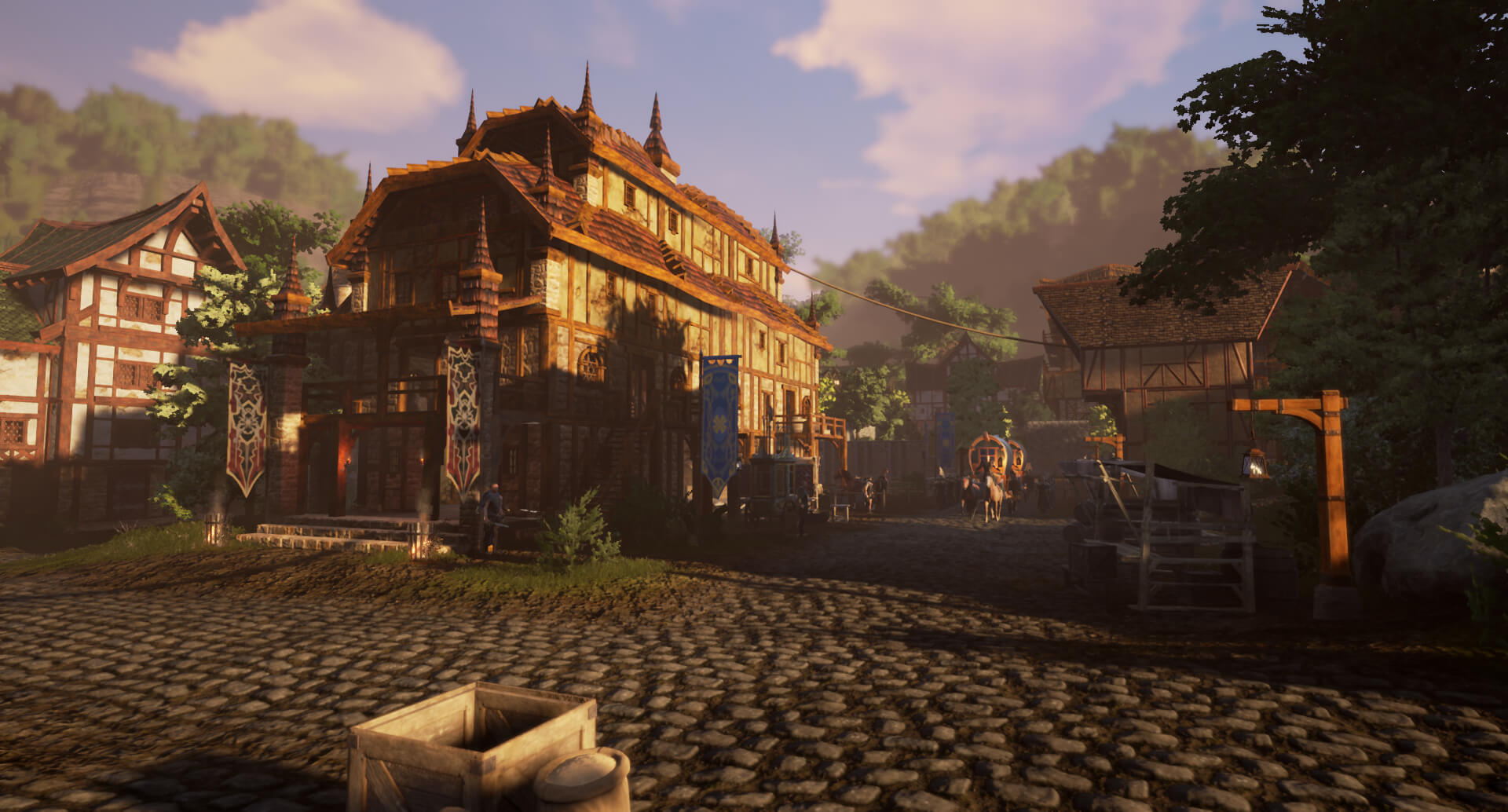
Ashes of Creation Node Advancement and Specialization Guide
Discover how to choose, advance, and specialize your node in Ashes of Creation, exploring higher-tier benefits and navigating potential conflicts.
Nodes are central to the living, breathing world of Ashes of Creation. At their core, they're player-driven settlements that evolve dynamically based on the actions and choices of the community. As towns grow into bustling cities, careful attention to node advancement and specialization becomes essential--not just for players seeking personal progression, but also for guilds and factions hoping to shape their region's landscape. Understanding how nodes develop, what influences their growth, and how different specializations can impact gameplay provides valuable insights, whether you're a veteran MMO player adapting to Ashes' unique gameplay systems, or someone entirely new exploring its rich, player-influenced world.
Choosing Your Node: Shaping Your Adventure
When jumping into Ashes of Creation, one of the first--and most important--choices you'll make is selecting your node. You're not just planting a flag on the map; you're defining a piece of your future gameplay. The node you help grow directly impacts your character's opportunities, community challenges, and overall experience in the game. Here's how to navigate that tricky but rewarding decision.
Location Matters: Resource and Strategic Considerations
Every region and zone in Ashes of Creation has its own advantages and drawbacks that shape what kind of gameplay you can expect. Maybe you're eying fertile farmland promising abundant supplies of crafting materials. Or you may prefer a mountainside node that has valuable ores--but possibly harsher climates and more aggressive creatures. Before deciding, consider these questions:
- What key resources do I primarily need, and can I gather them near this node?
- Will this node have strategic value in territorial conflicts or trade routes later down the line?
- Are there PvE hotspots or high-tier PvP opportunities nearby?
Answering these can save you an afternoon (or many afternoons!) of regret.
Node Specializations: What Fits Your Playstyle?
Nodes evolve through player actions and increased population numbers, eventually hitting a point where they take on a specialized identity, like becoming an Economic, Scientific, Militaristic, or Divine node. Here's a quick overview to help you see where you fit:
Economic Node: Money Makers and Marketplace Masters
If you enjoy crafting, trade, or being a rich merchant, Economic nodes offer specialized trade hubs, unique markets, and increased funds circulating around town. These nodes often attract crafters, merchants, and gatherers who want convenience and lucrative crafting opportunities right outside their doorstep.
Reasons to choose an Economic node
- Special marketplace features like auction houses accessible to a wide region
- Crafting boosts and vendor availability you won't find elsewhere
- Great for players focused on professions and trading goods
Scientific Node: Knowledge and Innovation
For those who love discovery and unlocking new classes or spells quicker, Scientific nodes are key. These settlements put heavy emphasis on research and unlock unique skill augmentations and crafting recipes sooner than their counterparts.
Reasons to pick a Scientific node
- Early access to advanced abilities and unique spell augments
- Unlock advanced crafting and resource refinement options sooner
- Ideal for characters who value flexibility and skill advancement
Militaristic Node: Combat and Conquest
Want rich PvP opportunities, titles, and warlike gameplay? Choosing a Militaristic node opens doors for siege warfare, structured PvP arenas, bounty hunting, and elite military training.
Reasons you're a great fit for a Militaristic node
- Access powerful combat enhancements and war equipment
- Engage actively in city rivalries, sieges, and structured PvP events
- Rewarding for PvP-focused guilds and conquest-minded players
Divine Node: Faith and Service
Divine nodes cater to cooperative and diplomatic players who prefer community-driven tasks. These nodes unlock religious-based augmentations and bonuses, encourage group PvE experiences, and reward players who invest in community-building actions.
Reasons to choose a Divine node
- Gain specialized quests and buffs through religious or communal tasks
- Enjoy greater PvE rewards and expanded questlines linked to lore
- Great for guilds preferring group-play and peaceful diplomacy over outright conflict
Check Out Your Neighbors
Since nodes naturally influence each other as they grow, it's important to think about your nearby nodes too. If you're settling near an Economic node, maybe your community could benefit from picking Militaristic or Scientific to complement one another. Similarly, a region rich with Divine nodes might want to strengthen its immediate area by developing at least one Militaristic city that can protect the faith-driven settlements.
Coordinating with Friends and Guildmates
Nodes are collective enterprises. This isn't a one-player show--it's about coming together to reach shared goals. Connect with your friends, guildmates, or larger communities early and plan node growth collaboratively to maximize your success. Communication matters just as much as player skill when specializations start to shape regional politics and economies.
Set clear expectations within your group: What role will everyone have? How committed to gathering materials is your team? Who can the community rely upon to make important leadership choices when needed? Taking the time to coordinate upfront helps everyone enjoy the game more in the long run.
Change Isn't Easy: Think Before You Commit
Your node selection can determine hours upon hours of gameplay, impacting everything from ease of materials acquisition to the types of combat you experience. While switching allegiance later isn't impossible, changing locations and re-specializing a developed character or community can be challenging and time-consuming. So, do your homework--but also trust your instincts. No node choice is completely wrong; it's about choosing what's best for the type of gameplay experience you prefer.
By carefully choosing your node, you'll make a home for yourself in Ashes of Creation that fits your personal goals and playstyle, with less trouble and more fun along the way.
Growing Your Node: How Advancement Actually Works
Once you've found the perfect place to settle in Ashes of Creation, the real fun begins--advancing your chosen node! Nodes aren't static; they level up and evolve based on player activity. The more effort the community puts in, the quicker the node develops. Think of the node advancement like upgrading your home base with everyone pitching in for the community's benefit.
Node Stages: From Wilderness to Metropolis
Ashes of Creation nodes have six distinct stages that reflect their level of development and player involvement. The stages affect the node's look, features, and accessible services. Here's how the progression breaks down:
-
Stage 0 - Wilderness:
The land waits quietly, untamed and undeveloped. Creatures roam free, and players have yet to make their mark on the world. -
Stage 1 - Expedition:
At this point, brave pioneers set up their very first tents. Basic NPCs appear, offering fundamental services, like simple quests and basic supplies. -
Stage 2 - Encampment:
As more players arrive, tents give way to wooden buildings, and more NPCs offer improved services. Early crafting stations and trading options become accessible here, making the encampment feel distinctly livelier. -
Stage 3 - Village:
Substantial growth! Players now have access to houses, crafting hubs, and local commerce. Player housing is introduced, meaning you finally get to claim a real piece of this world as your own. -
Stage 4 - Town:
At town-stage, things get interesting. Nodes become noticeably larger and specialized. Major quest hubs, schools for learning new skills, robust trade options, and infrastructure projects like walls or marketplaces go up. It's also when your node claims its specialized role: Economic, Divine, Scientific, or Militaristic. -
Stage 5 - City:
A well-developed node at this stage offers significant upgrades. Enhanced defenses, improved crafting, specialized vendors, and advanced services appear. Your node becomes increasingly distinct in its specialization, establishing a regional identity and influencing the surrounding area dramatically. -
Stage 6 - Metropolis:
Congratulations, you've hit maximum growth! At Metropolis, your node becomes a regional powerhouse. It affects the entire area around you, shaping local politics, economy, quests, resources, and available content. Powerful endgame services--like legendary crafting recipes, rare resources, advanced dungeons, or exclusive PvP arenas--open up, depending on your node's specialization.
Gaining Node Experience: Every Action Counts
Nodes don't just level up from wishful thinking; they require actual activity from players. Experience points that feed a node’s growth come from various fast-paced and casual activities. These include:
-
Questing:
Quests done inside your node's Area of Influence (AOI) directly contribute to node growth. Complete story missions, fetch quests, bounty hunts, or daily tasks to earn experience towards your settlement. -
Gathering & Crafting:
Each resource harvested--lumber, ores, herbs, or hunting animals--chips in a little to the node’s growth. Plus, using crafting stations inside town increases your node's experience, too. So don't overlook the value of gathering and crafting regularly. -
Combat:
Defeating monsters near your home base also benefits node growth. Grouping up with friends for dungeon runs, world bosses, or monster hunting expeditions accelerates growth quickly. -
Player Activities & Events:
Participating in special node events--like festivals, tournaments, sieges, or community challenges--significantly boosts node advancement and popularity. Active, buzzing communities will rapidly outpace quieter settlements.
Importance of Population and Citizens
Population growth and citizenship matter hugely in node leveling. Each stage has specific requirements, driven by the active player population. Generally, higher stages require more dedicated players contributing consistently to keep their node thriving.
Becoming a node citizen grants perks, like bonuses to crafting, taxes, or special vendor discounts. But more importantly, citizens determine the node's leadership and directly impact how resources, politics, and territory control develop. Players can only hold citizenship in one node at a time, so pick carefully--the node you’ve sworn allegiance to can use your support.
Node Competition and Rivalries
Ashes of Creation uses a unique "lockout" mechanic preventing nearby nodes from reaching the highest stages simultaneously. If your Town advances to City, another nearby node might be restricted from surpassing Village or Town level. That means player communities around you can potentially compete fiercely, aiming to secure regional dominance.
Expect diplomatic tensions, strategic alliances, exciting PvP content, and ever-changing political landscapes as nodes fight for control and prominence. Cooperation is great, but remember: A little bit of competition spice usually makes your adventures more interesting!
The Challenges of Maintaining Growth
A node doesn't reach Metropolis level easily--and staying at the top is even harder. Higher stages mean higher maintenance. Players must consistently complete quests, protect against constant threats (both PvE and PvP), and support local infrastructure. Slacking off can result in regression: nodes may downgrade stages if activity dwindles significantly.
Be prepared for sieges, raids, invasions, or natural events that can disrupt and damage your node's growth. And don't overlook player politics--rival settlements and guilds unhappy with your dominance could plot your downfall!
Concluding Tips: Making Your Mark in Verra
Advancing your node from wilderness to Metropolis feels like a rewarding team achievement--because it really is one. Getting there takes strategic choices, group cooperation, and persistent effort. Here's how you can help your node become a thriving powerhouse:
- Communicate actively: Keep your friends, guildmates, and neighbors in the loop to coordinate consistent contributions.
- Balance effort: Don’t rely solely on questing. Mix it up by crafting, gathering resources, and participating in events.
- Stay vigilant: Be ready to defend your progress against threats and actively engage in rivalries if needed.
- Be active in regional politics: Shape the favoritism, alliances, and power struggles around your node--it's part of the fun.
When you and your community commit to node development, you directly impact the world of Ashes of Creation, leaving your mark permanently. Enjoy the journey, the achievements, and all the adventures in between. After all, the node story of Ashes of Creation is about you, your friends, and the community you create along the way.
Benefits of Higher Nodes
You're working hard with your guildmates, community friends, and random adventurers, pouring your energy into leveling your node up from wilderness to a sparkling Metropolis. But why exactly should you chase those higher node stages? Let's break down the main reasons leveling your node is super worth it.
Exclusive Vendors and Special Trade Opportunities
Higher nodes mean cooler vendors with fancier stuff to sell. While settlements and villages offer basic merchants, as you upgrade to towns, cities, or metropolises, special NPC vendors pop up. These newly arrived merchants offer rare crafting components, unique equipment with useful stats, and even cosmetic items exclusive to your leveled-up node.
Specialization plays into this! For example, Economic node types at higher stages unlock special trading posts, marketplace opportunities, or unique item recipes--perfect for booming merchants and crafting fans. Scientific nodes bring advanced crafting stations and rare schematics, Military nodes provide exclusive weaponry or training bonuses, and Divine nodes introduce buffs, potions, and spells you can't find anywhere else.
So if pricey loot, rare recipes, and having merchandise nobody else can score sound appealing--definitely focus on pumping experience into your node.
Improved Defenses, Safety, and Quality of Life
As your node grows from hamlet to bustling city, defenses become fortified. Upgraded walls, taller towers, and stronger NPC guards patrol your streets, resulting in fewer monster threats and safer, smoother living for citizens. High-level defenses not only help protect crafting stations, vendors, and homes but also discourage player attacks and reduce PvP danger around your lands.
This means fewer headaches worrying about random PvP harassment, bandit invasions, or monster raids destroying your progress or slowing down your resource farming. A safer node equals happier adventuring. Bonus! You can finally focus more on quests, crafting, trading, and community events without looking over your shoulder all the time.
Unlocking Advanced Crafting and Amenities
The good life doesn't stop with safety upgrades and premium merchants. Advanced settlements give citizens and visitors access to nicer amenities--think about crafting halls, guild houses, advanced transportation hubs (fast travel points, efficient roadways, shortcuts), and social spaces like taverns or arenas.
If you’re into crafting cool gear or potions, upgrading your node means better crafting stations. These higher-quality facilities give you access to superior recipes, special master-level gear upgrades, and rare crafted items. You'll also spend fewer resources crafting items, saving you valuable time and materials.
Boosted Economic Potential and Player Profits
Higher-level nodes naturally attract more economic activity. More specialized vendors and facilities open the door for skilled artisans and resource harvesters, making it easier to sell raw goods and refined products.
Economically focused nodes grant increased marketplace access and reduced trading taxes--great news for merchant players and crafters. This makes higher-level nodes an affordable destination for trade caravans, encouraging outside visitors and boosting your settlement's income. It's a win-win situation: more established nodes offer steady profit potential, attracting both trade-minded visitors and wallet-heavy adventurers eager to spend.
Impacting the Region and Shaping the Game World
Upgrading beyond town or city level significantly reshapes the entire region around your flourishing node. Metropolises directly control large swaths of the area, influencing which quests become available, which resources spawn locally, and controlling regional politics and conflicts.
Your powerful node can deny neighbors higher-level growth through the game's lockout mechanic; this cements your status within the region, guaranteeing prominent roles for guild leaders and active community members. Powerful nodes dictate story progression and game content, so your actions and contributions shape the overall game experience for everyone around.
Accessing Rare Endgame Content
Perhaps most excitingly, the highest node levels open doors to exclusive endgame content. Legendary dungeons, rare boss battles, new events, and unique PvP arenas await in higher-node stages. Whether it’s diving into a dungeon for coveted gear or joining arena PvP tournaments with special prizes, these activities offer premium rewards and exciting new ways to progress your character.
Every specialization holds distinct endgame content. An economic metropolis might feature incredible trade contracts or time-limited lucrative events, while a military hub opens up thrilling siege opportunities and PvP arenas packed with rare loot.
Experienced Ashes players know there's no shortage of benefits to pushing toward higher node stages. From rare items and exclusive trade opportunities, superior safety and amenities, valuable endgame activities, and serious regional influence--upgrading your node always pays off in huge, rewarding ways.
Understanding Node Conflicts
Leveling up your node is an exciting process filled with cool rewards, merchant perks, and sweet endgame activities--but things don't always stay peaceful. In Ashes of Creation, node conflicts shake things up, putting player factions head-to-head in battles that shape the game's very landscape. Let's get you ready to handle (and understand) these conflicts, so they don't catch you totally off guard.
What Exactly Are Node Conflicts?
Node conflicts are player-driven disputes and battles between two or more competing nodes. When different nodes start expanding and upgrading, eventually their areas of influence overlap. Basically, node influence zones can't coexist when both try to reach the highest tiers. Once nodes compete for territory, the game sets them up as direct rivals, and conflict becomes pretty much inevitable.
That's a simple way of saying that your growth might directly limit your neighbor's growth. Ashes is designed specifically to encourage player actions and tough choices--your node advancement decisions directly affect everyone nearby. Since no two top-tier metropolises can exist side-by-side without entering conflict, friction and rivalry become normal parts of gameplay.
Types of Node Conflicts
Ashes introduces clear types of conflicts between leveling nodes, making them easy to recognize and follow. The two main types of node conflicts you'll see are siege battles and territory disputes.
Node Sieges
Siege battles happen when rival nodes or guilds want to halt or revert a rival node's progress. They declare official "Sieges," a large-scale PvP event giving attackers the chance to downgrade or totally destroy the defender's settlement. Players on both sides rally their forces for huge, server-wide battles with siege weapons, stronghold assaults, and intense player-vs-player fights.
Losing a siege means your node could downgrade or crumble completely, ruining your hard-earned progress. But successfully defending your node grants serious bragging rights and exciting bonuses like prestige rewards, resources, or faction boosts.
Territory Disputes
Territorial disputes kick off automatically as regional influences overlap. There's no formal siege battle here, but nodes contest specific resources, quest hubs, dungeons, or lucrative trade routes. These disputes can stretch out with smaller battles and skirmishes between players from each node. Guilds jockey for positional advantages, territory control, and lucrative resource areas.
Territorial disputes can last days or weeks, often sparking feuds that spill beyond the contested area into regional PvP. Skilled political leadership and effective player coordination help your node secure important advantages without putting your growth at too much risk.
Preparing for Node Conflict
Node battles aren't sudden accidental events--they're strategic, expected, and can be carefully prepared for. Keeping your node strong goes beyond simply stacking more NPC guards or walls.
Strength in node conflicts comes from player cooperation, smart use of resources, and strategic planning. Here are ways to stay prepared:
- Organized Defense: Set roles and communicate clearly. Identify leaders, establish clear defensive priorities, and assign guilds specific jobs like supply running, siege weapon deployment, and frontline fighting.
- Diplomacy: Alliances go a long way in preventing conflicts or improving your odds if war breaks out. Allied nodes can band together, providing resources, troops, and support when conflict happens.
- Economic Reserves and Resources: Stockpile resources in advance! Siege warfare demands resources for siege weapons, fortifications, and equipment. Having a strong economic foundation lets your node weather sustained battles, even when under attack.
- Active Intel Gathering: Scout enemy troop movements, gather intel on rival guild strengths, and anticipate potential conflicts before they start. Staying in the know allows strategic prevention--or at least, superior preparation.
Consequences: Winners, Losers, and Next Steps
All conflicts in Ashes have meaningful consequences. Winning or losing node conflicts drastically alters how your node develops as well as how other regional nodes grow.
- Successful Defense: Winning a siege strengthens your node significantly, limiting your rivals' advancement opportunities. Resident players gain rewards, secure continued access to advanced node stages, and bolster regional dominance.
- Failed Defense: Defeat usually means huge setbacks. Your node could revert levels, crippling economic output, vendor availability, and endgame opportunities. Losing also temporarily disrupts player homes, guild halls, and crafted amenities--potentially erasing days or weeks of progress.
- Successful Offense: Attackers who manage to successfully siege a node disrupt rivals' growth, gaining resources and preventing that node's regional dominance. Your winning siege grants huge benefits for advancement, opens new opportunities, and keeps rivals in check.
- Post-Conflict Rebuilding: After battles conclude (no matter if you win or lose), rebuilding becomes a communal priority. Players unify their efforts in resource collection and upgrading nodes back to their previous state. Coordination and teamwork make rebuilding quicker, though it definitely takes effort and patience.
Why Node Conflicts Matter So Much
Node conflicts aren't just random PvP--they're completely central to what makes Ashes interesting. Conflicts are strategic, political, and genuinely shape how the entire server plays out. Rivalries fuel player interest, competition creates emergent content, and player actions have lasting, memorable effects on the game world.
Be prepared for node conflict and think strategically about how you manage relationships with nearby nodes. Conflict may be tough, but winning feels fantastic--and even a loss means your actions impacted actual in-game events and history. That's exactly the kind of meaningful gameplay Ashes of Creation promises to deliver.
Node Specializations Explained
Nodes in Ashes of Creation aren't just generic cities or hubs you upgrade--they're unique, player-built settlements that come with their own identities and specializations. When nodes level up to specific development stages, players collectively choose a specialization path that shapes the node's gameplay, bonuses, and available features. Whether you prefer crafting, trading, combat, or knowledge, specializing your node opens up precise playstyles and community roles within the game's ecosystem.
Picking the right specialization for your settlement requires community consideration. It greatly affects regional power, appeal, quests, resources, and overall strategy. Let's look at how these specializations break down--Economic, Military, Scientific, and Divine Nodes--and how each type changes your city into something truly unique.
Economic Nodes: Trade, Commerce, and Wealth
If your guild or community enjoys trade, wealth accumulation, and market control, this specialization might be the sweet spot. Economic nodes focus heavily on merchant gameplay. When your node picks this path, you get access to unique merchant stalls, specialty trade markets, and caravans that increase the area's wealth significantly.
Caravans really set Economic nodes apart. These traveling convoys allow players to profit significantly by moving goods across the map, but they’re also prime targets for rival PvPers. Economic nodes offer enhanced trade-focused buildings (like auction houses, marketplaces, and warehouses) to help players make money selling items and resources.
Additionally, Economic nodes have special tax systems, boosting the node's treasury and allowing leadership to invest in regional improvements or defense preparations. If you want a thriving city bustling with traders, players looking for profit, and merchants from across the server, consider going Economic.
Military Nodes: Strength, Conquest, and PvP Dominance
Choosing a Military specialization takes a node into hard-core PvP territory. Cities that pick this route feature robust fortress structures, reinforced walls, advanced siege weaponry defenses, and elite guards that hold off attacks. Military-specialized nodes encourage PvP-oriented players to gather, train, and strategize in the safety of upgraded city infrastructure.
Additionally, Military nodes unlock unique bonuses for siege gear production, training elite mercenaries, and unlocking competitive PvP arenas. These arenas host player duels, tournaments, and guild battles, rewarding victorious combatants with reputation and prizes.
If your guild wants combat-focused progression, heavy PvP infrastructure, and fortified city defenses, Military nodes make an outstanding option. Just remember that warrior-driven cities often attract conflict--they become natural rivals with neighboring nodes of any type.
Scientific Nodes: Knowledge, Crafting, and Innovation
Scientific nodes appeal heavily to players oriented around exploration, crafting, gathering, lore, and unlocking new content. Picking Scientific turns your node into an innovation powerhouse, creating technology-driven benefits that improve daily gameplay.
Scientific cities unlock special crafting stations and advanced Workshops used by crafters. These special crafting areas let citizens create rare gear and items unavailable elsewhere. Scientific specializations also offer quests designed around exploration, unlocking areas of the map inaccessible prior, or providing detailed lore and history related events.
A standout feature of Science-specialized settlements is their teleportation network. With rare teleportation hubs, players gain convenient travel options around the map. Local residents can skip long journeys to specific linked nodes, facilitating easier resource gathering, questing, and exploration.
Crafting-focused guilds, lore lovers, builders, and explorers find scientific nodes ideal for progression, customization, and convenience.
Divine Nodes: Faith, Community, and World Events
Nodes selecting the Divine path cultivate faith-driven gameplay, offering religion-focused buildings, temples, and shrines. Players who enjoy community-focused mechanics, faith-based buffs, and cooperative events naturally gravitate toward divine settlements.
Divine nodes unlock temples dedicated to specific in-game religions, offering exclusive services and quests centered around their faith. Residents can unlock powerful temporary buffs by dedicating effort, completing religious objectives, and carrying out divine quests.
Unique events also play a big part in divine nodes. These special, faith-based events enable city-wide cooperative objectives, uniting residents toward meaningful shared outcomes. Successfully completed religious challenges reward nodes with long-lasting, community-wide blessings and boons.
If fostering community unity and cooperation is your thing and you love story-driven, religion-themed events and content, definitely suggest Divine specialization to your node.
Choosing Your Specialization Wisely
Specializing a node happens collectively at certain development stages (around Stage 3). Node leaders and residents carefully pick these paths together, permanently shaping regional strategy. Because each type offers drastically different experiences, planning and coordination should never be overlooked.
Pick a Military node? You might face constant aggressive rivals liking your resources and PvP-rich environment. Economic specialization? Players drawn by profitable caravans can mean frequent caravan raids. Understanding which specialization suits your player-base's goals and style ensures long-term success. It's about matching specialization perks with your node's style of play and community strengths.
Why Node Specializations Matter
Node specialization significantly affects what your city will offer, how its citizens play, and how it interacts with rivals and allies. These choices deeply impact the game around you, influencing trade opportunities, PvP scenarios, lore content, resource availability, and crafting benefits in a big way.
Picking your community's node specialization shapes your Ashes world. Thoughtful selection helps define your node's role, contribute regional value, and cement your city’s distinct identity--so treat this choice seriously.