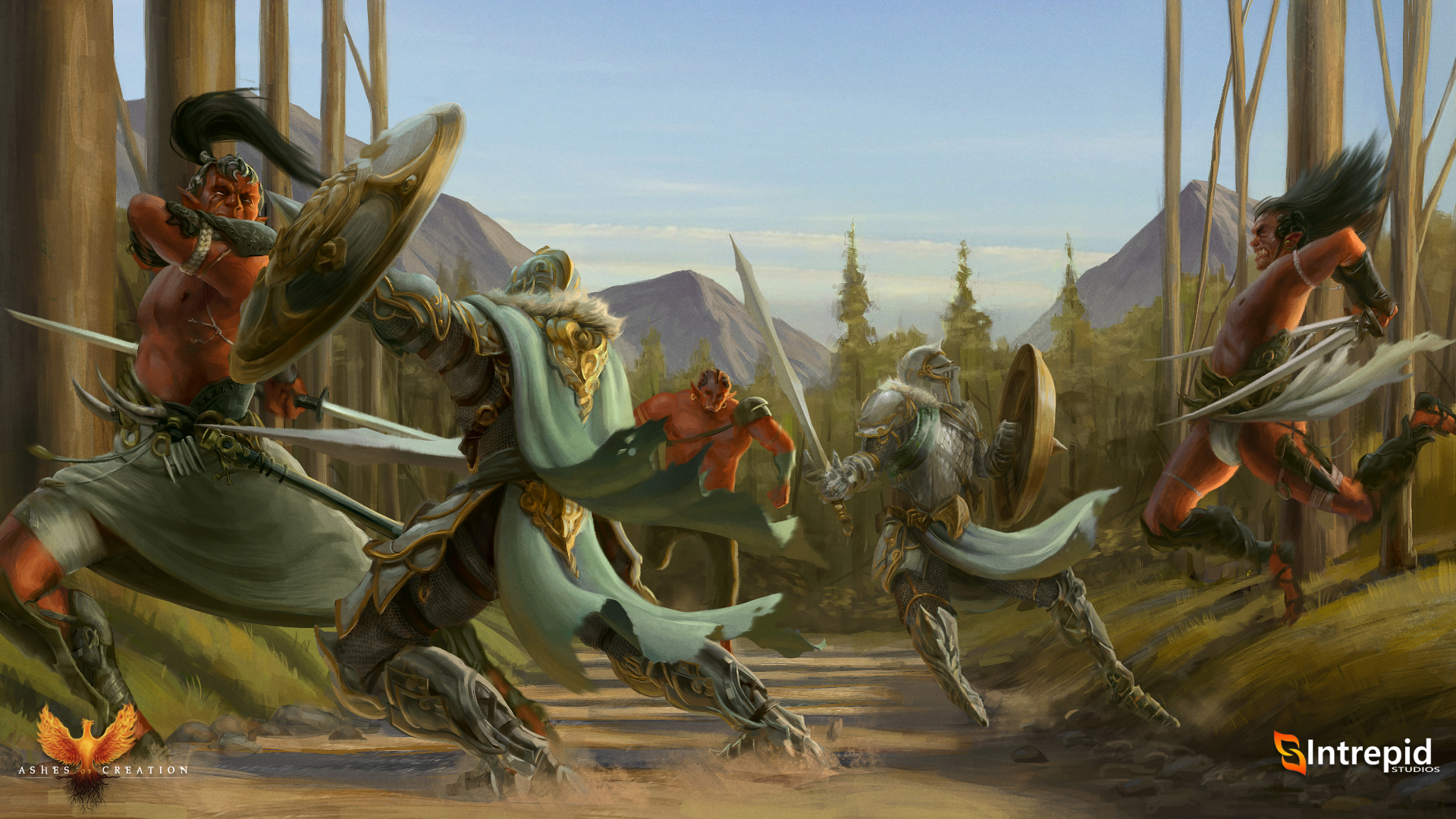
Ashes of Creation Node System Guide
Master Ashes of Creation's Node System: mechanics, growth tips, influence and politics, defense strategies, and optimizing your node rewards.
Ashes of Creation has been making waves among MMORPG fans partly due to its ambitious node system--a central feature that's shaping much of the game's world-building and player interaction. Unlike more traditional online worlds where cities and towns remain static, in Ashes of Creation, nodes organically grow, evolve, or even decline depending on player actions and decisions. This means each server can develop a completely unique landscape, with cities emerging dynamically and reshaping the game's environment and narrative over time. It's a fairly complex system that rewards collective player engagement, shaping everything from quest availability and political dynamics to regional conflicts. Understanding this node system can greatly affect your in-game experience, especially if you're hoping to engage deeply with community management, politics, or PvP interactions.
What Exactly Are Nodes?
In Ashes of Creation, the world isn't preset with cities and towns like most MMORPGs. Instead, every zone has specific locations called Nodes. Think of Nodes as places that can transform from just an empty patch of dirt into a thriving city, entirely depending on player activity.
Every action matters. Resources harvested, quests completed nearby, mobs defeated--even PvP fights happening in the region--each contributes experience points that Nodes absorb to level up. This makes the players themselves responsible for creating flourishing cities or leaving areas neglected and undeveloped.
Types and Specializations of Nodes
There are four node types in Ashes of Creation, each with distinct characteristics and impacts on gameplay:
Economic Nodes
These are all about gold, trade, and profit. Players investing in economic nodes get access to market-focused bonuses, special shops, auction houses, and unique trade caravan mechanics. If trading and amassing wealth are your main goals, economic nodes should be where you focus your efforts.
Scientific Nodes
Scientific nodes value knowledge, crafting, and technology. Players contributing to scientific nodes will unlock libraries, crafting stations, enhanced workshops, and gain unique benefits related to research. If crafting items or progressing through specialized tech is more your style, contributing to these nodes is ideal.
Military Nodes
These nodes exist primarily for PvP-oriented players and guilds who thrive on combat and territorial control. Contributing to military nodes creates powerful fortifications, unlocks siege gear, PvP arenas, and bounty hunting systems. Those looking for intense battles, political drama, and territory wars will naturally gravitate toward these nodes.
Divine Nodes
For players invested in world narrative, storylines, and religious aspects of Ashes of Creation, divine nodes provide temples, religious factions, quests tied to lore, and passive blessings. Contributing here benefits roleplayers and adventurers focused on progression through faith-based content.
Node Growth and Stages Explained
Nodes grow through six distinct stages, with every new level significantly changing that region in visual appearance, resources, and activities. Here's a quick breakdown:
- Stage 0 (Wilderness): No development--purely undeveloped wilderness conditions.
- Stage 1 (Expedition): Temporary small encampments pop up as players start leveling up the node through nearby quests and resource gathering.
- Stage 2 (Encampment): More structured upgrades happen. Basic NPC vendors appear, giving access to beginner resources and quests.
- Stage 3 (Village): Now it’s officially recognized as a community space--houses and specialized buildings go up, activating a simple local government and unlocking housing options.
- Stage 4 (Town): Major upgrades as NPC quests become more substantial, marketplaces start booming, caravans increase, and political gameplay becomes a notable factor.
- Stage 5 (City): Attracting guild attention, larger PvP and PvE events start to regularly occur, and significant economic and political systems are active.
- Stage 6 (Metropolis): The largest and most influential node level with extensive crafting, rare quests, political intrigue, massive PvP dynamics, and special abilities unique to each node specialization.
Nodes have influence over surrounding areas, preventing other nodes within their radius from developing past a certain level. As nodes level up, the need to strategically pick which nodes grow most becomes important, transforming the world into diverse player-shaped landscapes.
Conflicts, Node Decline, and Sieges
Since higher-stage nodes provide extensive control and massive benefits, competing guilds and alliances naturally will clash over dominance. Players can choose to attack rival nodes during organized Siege Events: PvP battles to bring down a metropolis, reset their level, and redistribute power across the region. This creates exciting scenarios involving alliances and betrayals, dramatically changing the environment and political balance within the game.
Also, Nodes aren't permanent--even without a violent siege. Neglecting a Node, ceasing economic activity, or players migrating away gradually reduces its experience, eventually causing it to downgrade. This ensures the world remains dynamic, shifting according to player habits and choices.
Citizenship, Housing, and You
Each player in Ashes of Creation can pick one node to call home, becoming a citizen. Citizenship provides access to unique content and services from that node, including special quests, perks, political voting rights, and housing markets.
Housing itself is limited particularly within developed nodes. While housing plots and apartments exist at higher-stage nodes, demand makes competition fierce. But owning a home is lucrative--allowing you to set up shops, earn income, and personally benefit from node development.
Players can shift citizenship if they want, gaining or losing access to content based on their node alignment. This citizenship mechanic incentivizes active player participation, ensuring individuals feel truly invested in their community at every stage.
Why Nodes Matter to You
Ashes of Creation’s node system actively encourages player-driven content and interaction. Unlike static worlds, your choices here directly affect available quest lines, economic opportunities, combat activities, and community evolution. Your participation instantly shapes the experience for hundreds of other players, making your session feel genuinely influential.
Be it through trade, warfare, storytelling, or crafting, engaging intentionally with nodes lets you customize your experience. Understanding these mechanics will not only help you enjoy the game more but also provide rewarding long-term growth as you shape an entirely player-driven history from day one.
Efficient Node Development Strategies
Developing nodes quickly and efficiently in Ashes of Creation depends on coordinated player activities, proper resource management, and understanding node specialization. Whether your community is aiming to establish dominance through military conquest, economic wealth, or innovative technology, your approach must be calculated and collaborative. Let's break down what goes into developing your node effectively.
Prioritize Your Node Specialization Early
Knowing what your community wants helps focus everyone's efforts, resulting in nodes that level faster and yield more benefits. Decide early if your node is military, economic, scientific, or divine. Having everyone on the same page helps avoid wasting resources or time on conflicting endeavors.
If you're running a military node, prioritize activities related to PvP (such as duels, arena battles, or hunting down flagged enemies) to gain node progress quickly. Economic nodes progress fastest through trading, crafting, and marketplace activity. Likewise, scientific nodes benefit significantly when players regularly craft items, research technologies, and complete scholarly pursuits. Lastly, divine nodes grow faster as players complete religious quests, participate in temple rites, and interact with lore-driven events.
Identifying clear goals upfront avoids gridlock and confusion. When players pool their resources and stay consistent with their node focus, progress is swift and rewarding.
Team Up to Boost Progress Efficiency
Ashes of Creation heavily rewards player cooperation when developing nodes. Players performing tasks (quests, resource gathering, PvE encounters, PvP battles) contribute a certain amount of experience points toward their node’s overall progression. A scattered effort diminishes effectiveness--so collaborate.
Align groups to collectively carry out similar activities at scale, focusing on activities that match your chosen node specialty. Form resource-gathering teams to consistently fuel crafting, form raiding parties to take down world bosses and dungeons for loot or organize caravan runs for economic nodes. Coordinating collective PvP hunts or arena participation as a guild speeds up military node leveling. By working together rather than spreading thin, nodes advance much quicker through experience boosts gained from teamwork bonuses.
Engage in Strategic Resource Management
Efficient node development also revolves around controlling resources and economic usage. Resources fuel nearly every activity associated with growth--crafting, construction, quest requirements--so manage them wisely.
Particularly at higher node stages, the need for rarer resources spikes rapidly. Gather and stockpile essential crafting resources early in node growth to prevent stalls at later levels. Assign dedicated gathering parties to frequently farm resources your community regularly requires. Consistently stocked craft benches or marketplaces reduce downtime between node upgrades and maintain steady growth progression.
Consider carefully how resources flow through your community. Set clear internal trade rules or designate warehouse officials responsible for distributing supplies and maintaining resource stores. These steps maximize resource usage and keep your node steadily growing, ensuring consistent player participation and limiting downtime.
Utilize Caravans and Trade Wisely
The caravan system in Ashes of Creation offers more than just economic profits--it greatly impacts node growth. Caravans are transport shipments carrying vital resources across regions, and defending them actively generates node experience points.
Protecting your faction’s caravans secures resources needed to expand territory and build infrastructure steadily. Plus, a successful caravan defense rewards every involved player significantly, boosting experience and encouraging recurring participation. Make sure you openly advertise caravan events, recruit defenders, and ensure community engagement to consistently conduct profitable runs.
On the flip side, intercepting enemy caravans also grants substantial experience points, particularly valuable if you're committed to military node development. By arranging coordinated strikes against rival shipments, your node accrues progress faster, while also stifling competitors' growth. Smart caravan interactions can shift node progression powerfully, providing a huge strategic edge when used wisely.
Stay Involved and Active
It's practical advice but often overlooked--your node only thrives when your players continuously participate. Community engagement drives node advancement through sustained activity like quests, crafting, exploration, battles, and commerce. Nodes degrading through inactivity lose not only experience but also valuable resources and opportunities.
Encourage player investment by frequently scheduling community events, PvE raids, or competitive PvP battles to maintain continual activity. Create Discord channels, forums, or social spaces encouraging communication among citizens, merchants, fighters, and crafters. Regularly remind players of the potential benefits or unlocks they'll gain with continued activity, motivating a steady stream of engaging tasks.
Active communities not only bolster node progress but also naturally attract more players organically. Reputation as an active, tightly-connected node draws players seeking community spirit, effective cooperation, and steadily maintained growth momentum.
Keep the Balance and Plan for the Long Haul
Node efficiency not only means reaching Metropolis first--it means strategically developing your node for sustainable longevity. A node quickly maxed out without careful resource planning or organizational structure risks instability. Players leave if the content becomes stale or if resources dry up.
Proper management involves controlled strategic expansion balanced with smart civic policies, active guild involvement, and focus on consistent community needs. Use the node's political tools wisely, elect capable leaders, and regularly adapt your strategies in response to changes in the regional landscape and community demographics.
Always keep an eye not only on your node's immediate advancement needs but also on long-term sustainability and potential player fluctuations. Efficiency is about maintaining a flexible community vision that consistently moves forward, not just about brute-forcing your node to the next stage.
Efficiency Equals Influence
Node development creates ripple effects everywhere in Ashes of Creation, impacting player experiences, regional stability, economic prosperity, and guild benefits. Efficiency isn't just speed--it's building the foundation for lasting influence and strategically controlled power.
By clearly identifying node specialization, promoting focused collaborative activities, managing resources wisely, planning strategic caravan operations, maintaining community participation, and balancing immediate goals with long-term sustainability, your node can efficiently grow, thrive, and remain influential. Such growth encourages more organic participation, fueling further development and affording players meaningful stakes in the ever-changing world of Ashes of Creation.
Node Influence and Politics
In Ashes of Creation, node growth doesn't simply end by becoming a grand metropolis--it's where things really start to heat up. Once your node reaches higher stages, the spotlight shifts towards navigating influence and political relationships on a broader scale. Politics shape everything from the node's internal structure to external alliances and rivalries. Understanding how these mechanics function can significantly impact your community's experience, growth, and overall success.
Understanding the Political Structure Inside Nodes
Every node has an active political system that escalates in complexity as it grows. Early villages might select leaders through basic mayoral elections, but when your community evolves into sizable towns and bustling cities, politics get way more interesting. Elections occur regularly--typically around a month in-game--with strategies surrounding campaigns, town halls, and public opinion all becoming key.
In democratically-led nodes, players vote to select their mayor, needing actual player support to win office. Craft your campaign carefully through clearly communicated goals, effective promises, and maybe even a bit of old-fashioned politicking. Gaining support isn't about empty talk--the community judges leadership based on achievement. Past actions, activity levels, guild allies, player reputation, and contributions to overall node health directly influence whether you're voted in--or booted out--in the next election.
Beyond democracy, other node types have unique rulership systems. Military nodes run gladiatorial-style combat tournaments, with winners crowned leader, while scientific nodes promote leadership based on structured knowledge and advancement. Economic nodes place power directly into wealthy players' hands through auction systems, encouraging fierce rivalry based on trading prowess. Each style of governance comes with its challenges and advantages, giving every kind of player a chance to rise through ranks--but expecting savvy maneuvering along the way.
Holding Onto Power: Reputation and Reactive Politics
Reputation matters--a ton. Once in leadership positions, keeping public support demands balancing individual player and group goals, meeting needs of influential guilds, and managing conflict proactively.
Things rarely stay calm when dealing with hundreds or thousands of players who each possess separate agendas. Responsive leadership means actively communicating with members, addressing their immediate concerns, and balancing resource distribution fairly. Mayors who appear selfish or inattentive often face organized opposition or rebellions, putting their positions at serious risk.
Social systems deepen political relationships, with citizenship serving as a tool for active influence over the current administration. Players unhappy with current leadership can become vocal, coordinating citizen actions like resource disruptions, protest raids, or choosing relocation to competing nodes. Smart politicians keep ears close to the ground, addressing concerns quickly or forming alliances to keep vocal factions placated. A stable government is proactive, not reactive.
Alliance Building and Regional Influence
Internally effective politics are half the picture--external relationships are just as important. Ashes of Creation's node placement creates organic tensions, rivalries, and friendships with neighboring territories due to overlapping zones of influence. Alliances between nodes in close proximity can open beneficial trade routes, ensuring safer caravans and sharper economic boosts.
Likewise, effectively negotiating border disputes or caravan protection agreements sets you apart diplomatically. Regional camaraderie can provide significant defensive advantages, particularly when rivals threaten invasion or economic sabotage. But remember: alliances also mean responsibility. Supporting allies requires coordination on battlefield defense, raid plans, or economic strategy. Leadership must openly communicate with other node officials, often cooperating closely to maintain territorial integrity and prosperity.
Rivalries, Conflict, and Warfare Politics
Sometimes friendly diplomacy won't solve conflicts; nodes occasionally clash, turning territories into battlegrounds. Node sieges can entirely reset territory progress--actual player-built nodes destroyed, structures wiped clean, and leadership overthrown overnight. For larger-scale nodes specifically, warfare becomes critical and unavoidable political gameplay.
Well-executed conflict strategies rely heavily on political negotiation skills, preparation, resource stockpiling, and tactical knowledge of your opponents. Strong leadership skillfully balances offense and defense. If perceived as too weak, your node invites continuous threat. Appear too aggressive without sufficient cause, your reputation suffers, potentially turning otherwise neutral players against you.
Successful nodes remain prepared for regional threats, carefully keeping peace or strategically starting conflicts to maintain advantage or curtail growing rivals. Leaders who play effectively understand warfare politics is careful chess-playing--not reckless confrontations.
Becoming a Political Powerhouse: Guilds and Influence Networks
Guilds step front and center in node politics since guild dedication directly impacts election outcomes, social influence, and power projection. A node often hosts multiple influential guilds, each vying for influence over available resources, administrative positions, and status among other groups. Strong guild connections improve a player's odds to secure mayoral positions, leadership councils, or financial ventures.
Leaders who build extensive public networks typically enjoy stable governance, rapidly increasing community activity and loyalty in turn. However, don't overlook the potential complications of heavy guild politics either. Unchecked guild rivalry within a node sparks internal instability, divided loyalties, and possible siege vulnerability due to internal distractions--potentially dismantling months of effort.
Smart leadership differentiates between healthy competition and dangerous rivalries, carefully mediating when needed or establishing clear guild alliances to maintain internal stability. Balance these delicate interactions, and your node gains a reputation as a political powerhouse, attracting even more popularity, stability, and economic strength.
The Bottom Line: Politics Matter--A Lot
Ashes of Creation thrives on dynamic political tensions. Leadership challenges, external interactions, warfare tactics, and guild dynamics all overlap, making political management essential. Successful politicians balance internal needs against external threats skillfully, dialing involvement up or down as necessary to meet strategic priorities without sacrificing reputation or stability.
Mastering politics in your node won't come overnight--but through careful planning, clear communication, responsive leadership, and informed decisions, you'll set your territory apart, commanding respect far beyond your borders. Politics represent another game within the game, intricate and strategic enough to challenge even the most seasoned players, offering lasting rewards once mastered.
Node Defense Strategies
Managing a node involves a delicate balancing act between expanded growth and rock-solid defenses--especially when rivals set their eyes on your hard-earned progress. In Ashes of Creation, defense isn't just building tough walls; it's about strategic thinking, organization, and understanding your potential threat landscape. Let's unpack what makes a node defensible and how you can tactically keep your opponents at bay.
Understanding Node Vulnerabilities
First, it's important to recognize how your node might be attacked. Node sieges are major PvP events, and they'll come with advance notice--but this doesn't make them any less serious. Your city's progress, buildings, economic assets, and player housing within a node risk complete annihilation if the siege fails. To make things tougher, your enemies may target strategic weak points, including crafting centers, warehouses, or guild halls--structures often considered less defensible at first glance, yet vital for a node's economy and morale.
Grasping this early ensures smart positioning for key buildings. Keep resource hubs centralized, shorten supply lines, and position vulnerable targets behind strong defenses or terrain features, making enemy penetration costly and impractical.
Structural Defenses and Fortification Tactics
Fortifications matter. Heavy investment in defensive structures gives your forces more time to organize and adapt mid-siege. City walls, gates, towers, and traps might seem basic, but their strategic use can heavily sway the battle. You can upgrade and reinforce key structures as your node grows, unlocking improved defensive tools such as magical defensive barriers, ballistae, or catapults to engage attackers at range.
Placing guard towers at entrances and strategically positioning walls to funnel invasions into chokepoints drastically reduces attackers' options, forcing them into disadvantageous fights against your defenders. Moreover, thoughtful city design--like arranging streets and pathways to be narrow at critical points or creating blocked-off dead ends--causes enemy confusion, disrupts formations, and prevents efficient enemy coordination.
Citizen and Guild Mobilization
Structures alone aren't enough; you'll need dedicated citizens who are ready to mobilize at short notice. Communication channels should be reliable, intuitive, and quick--whether it's via guild chat, Discord servers, or strategic forums. Establish clear command structures and designated leaders to prevent confusion when an attack hits. During preparation phases, alert your fellow citizens and coordinate planning meetings to assign roles: ranged defenders atop walls, heavy melee units at breached gates, support units healing strategically placed allies, and scouts providing critical information on enemy movements.
Guild involvement remains particularly important here. Large, well-equipped guilds stationed in your node offer flexibility and powerful forces to defend against coordinated assaults. Keep local guilds incentivized--grant titles, property rights, access to tax-funded resources, or leadership roles in city defense committees--to maintain their enthusiasm in defending your node. This cooperative approach rallies individual interest into a united front, increasing morale and effectiveness.
Diplomatic Protection and Neighboring Alliances
A thriving diplomatic network plays heavily into defensive scenarios. Neighboring nodes can lend forces or resources, transforming your isolated settlement into a regionally supported stronghold. Frequent communication initiates timely reinforcements during siege events or surprise attacks. Establish mutual defense agreements clearly outlining expectations: troop contributions, supply reinforcement, or even coordinated counter-attacks on aggressors' nodes.
However, keep in mind alliances don't come free. Requests for reinforcements today mean obligation tomorrow, so prioritize sustainable diplomacy that doesn't overstretch your node resources--or goodwill. This careful balance pays dividends in long-term security.
Intelligence Gathering and Preemptive Defense Strategies
Don't underestimate the role of reliable intelligence. Knowing your enemy's weaknesses, force composition, and intentions far ahead of an assault gives your node a strategic advantage. Deploy scouts, spies, or friendly informants actively observing rival movements and note key details: enemy supply shortages, military preparations, economic instability, or internal disagreements within rival nodes or guilds.
Use that information proactively--cut off enemy caravan routes to slow their war preparations, or fund internal factions and encourage discord among aggressive rival nodes. Preemptive actions keep your aggressors off-balance, scrambling defense plans long before they bring siege equipment up to your gates.
Adaptive Defense During Sieges
Once an attack kicks off, flexibility is everything. Nodes initially adopt static defenses, but battle conditions change quickly--with shifting enemy strategies, breached walls, or sudden betrayals from unreliable allies. Your defensive command should actively direct troops to adjust on-the-fly, reinforcing weak points, shifting ranged positions rapidly, or retreating in disciplined fashion when fighting becomes unfavorable.
Strategic reserve units--designated beforehand and held safely away from initial combat--can make a dramatic impact, charging fresh into weakened enemy lines and turning tides at vital opportunities. Quick adaptation on the battlefield, coupled with disciplined command, can transform chaos into coordinated, victorious defense.
Aftermath and Recovery
Finally, consider what happens post-battle: win or lose, your node's strength afterward hugely affects future defensibility. After repelling an attack, quickly rebuild defenses, repair damaged structures, and restore trade routes or disrupted alliances. Celebrate victories publicly among citizens and allies, using that morale boost to solidify loyalty and attract further player investment or new residents.
If defeated, prompt damage assessment prevents your community from dispersing. Quickly restructuring diplomatic or economic relationships, securing external aid, and establishing reconstruction projects help rebuild citizen confidence. Losing some territory isn't necessarily the end--recover swiftly and smartly, prepare newly improved defenses, and send clear messages (friendly or aggressive) that your node remains formidable even in temporary defeat.
Final Defense Thoughts
Defending a node demands ongoing strategy, well-designed fortifications, robust alliances, good citizen mobilization, proactive intelligence, and decisive field action under pressure. Leaders who master these varied aspects keep their nodes standing tall amid ruthless political rivalries and intense PvP conflict--earning themselves reputations as skilled tacticians within Ashes of Creation's ever-changing political landscape.
Maximizing Node Rewards
Nodes aren't just places to live or defend--they're central to your progression, wealth, and power within Ashes of Creation. Each node presents players opportunities to earn exclusive equipment, gain resources, participate in lucrative events, or accumulate reputation and influence. Getting the most from node participation requires some strategic thinking, diligent participation, and a willingness to engage consistently in node-related content.
Understanding Node Progression and Unlockable Rewards
To gain a clearer grasp of rewards, it's important first to understand node stages. When nodes advance--from Expedition to Metropolis stage--they unlock new quests, dungeons, NPC merchants, legendary crafting recipes, and special services. Each stage increases not only your settlement's size, but also its economic and political complexity, rewarding committed players in meaningful ways.
For example, at earlier levels, nodes offer modest quests and basic amenities like inns or crafting stations. Once you hit the Village level and beyond, nodes can open advanced crafting tables and additional NPC vendors who sell increasingly useful (and lucrative) items. At City and Metropolis stages, nodes feature exclusive auction houses, rare crafting materials, high-grade player housing, and specialized vendors offering unique mounts or cosmetics unavailable elsewhere.
Stay observant as your node progresses: keep tabs on unlocked NPC vendors, special trainer locations, recipes, and rare resource nodes that appear. These specifics vary according to node types--military nodes might unlock exclusive PvP arenas or coveted war mounts, economic nodes introduce robust trading tools and resources, divine nodes provide unique buffs and services like resurrection points, and scientific nodes grant access to expanded teleportation networks and rare equipment blueprints.
Actively Engaging Civic Duties For Reputation and Prestige
Don't simply settle down in your node and expect rewards to roll your way passively--you've got to engage with node content actively. Participate regularly in government elections, local events, city defenses, and civic quests. Completing these tasks provides you reputation points recognized by local NPCs and fellow players alike. Higher node reputation may mean discounted vendor costs, priority housing access, or even the chance to take key leadership positions within your node.
Active participation doesn't stop at quests or elections. Multiple node activities exist for various playstyles--craft-focused tasks for aspiring traders, bounty missions perfect for PvPers, or diplomatic events satisfying roleplayers. Consistently supporting node development positions you as an influential citizen, and even modest daily quests steadily increase your node reputation.
Additionally, aim for special node roles (e.g., becoming mayor, treasurer, or defense commander). These prestigious roles grant powerful influence, allowing you to shape city plans directly or access otherwise restricted goods, quests, or cosmetic upgrades. Players holding roles often gain unique leader-specific rewards--exclusive armor skins, mounts, or titles signaling their station.
Efficiently Utilizing Player Housing and Economic Advantages
Housing provides more than an aesthetic perk in Ashes. Player-built residences significantly contribute to how efficiently you can maximize your node benefits and resource acquisition. Within apartments or freeholds, you can install crafting stations, set up trading stalls, or maintain private storage, making your gameplay smoother by reducing downtime traveling to NPC stations or crowded depots.
Apartments inside nodes allow you immediate access to central NPC markets, quests, and events. Conversely, freeholds built around a node's perimeter provide you greater customization and space to set up advanced facilities--blacksmith forges, herb gardens, stables--to quickly organize crafting and entrepreneurial activities. Having personal structures significantly streamlines gameplay, generating increased resource efficiency and a convenient launching point for node activities.
Economic nodes especially amplify benefits from owning housing. With features like enhanced trading posts, reduced taxation fees, merchant caravans, and marketplace bonuses, you're positioned ideally to dominate local player economies. Utilize economic bonuses strategically--store or trade collected materials at optimal nodes, keep reliable trade runs active, and anticipate resource demands. Properly leveraging these economic node-specific advantages brings rapid, steady profits.
Coordinating With Fellow Players for Better Rewards
Ashes strongly incentivizes group participation. Many rewarding features--in particular, node-specific dungeons, world events, and challenging PvP objectives--benefit most when tackled cooperatively. Form groups with fellow node residents or guildmates to tackle these tougher and rewarding tasks efficiently. Regularly communicate through node-wide channels or local Discord servers, coordinate event participation, trading runs, dungeon dives, or defensive raids timely to consistently earn valuable loot and keep control of lucrative node resources.
For large-scale content--such as dungeon bosses, rare spawns, or Siege event defenses--active player coordination makes success more frequent. Tackling challenging tasks successfully with node allies ensures all participating players gain rare loot, node-wide bonuses, reputation boosts, and greater guild recognition. The cumulative impact, over several group successes, dramatically affects your node's strength and personal progression.
Staying Alert to Political Shifts and Regional Changes
Lastly, always stay alert to local politics and nearby node developments. Political shifts can dramatically reshape node rewards--new leadership may change taxes or opt to upgrade defensive instead of commercial structures. Suddenly your brilliantly positioned trade stall may become disadvantaged overnight. Staying politically aware allows proactive adjustments--switch to currently profitable ventures, realign economic strategies, or reposition housing locations based on policies set by node leaders.
Regional shifts also influence local economies and rewards: competing or allied nodes rising in prominence may shift resource availability, guard NPC routes differently, or increase valuable regional commerce. Being mindful of these developments positions you to exploit opportunities as they arise, maximizing node advantages before they fade or become widely utilized by competing players.
Conclusion: Commitment Brings Rewarding Results
Efficiently maximizing node rewards ultimately demands consistent involvement, smart observation, and collaboration among players. Actively engaging your node's progression, embracing civic duties eagerly, exploiting housing and economic advantages, grouping strategically for tougher content, and closely following political developments bring significant rewards in progression, profit, and player standing within Ashes of Creation's complex player-driven world. Nodes reward committed citizens handsomely--so be involved, observant, and flexible to extract maximum value from your node adventures.