Ring Fit Adventure Skill Tree and Combat Guide
Master skill trees, unlock powerful moves, and optimize your Ring Fit Adventure combat with this essential skills and battle guide.
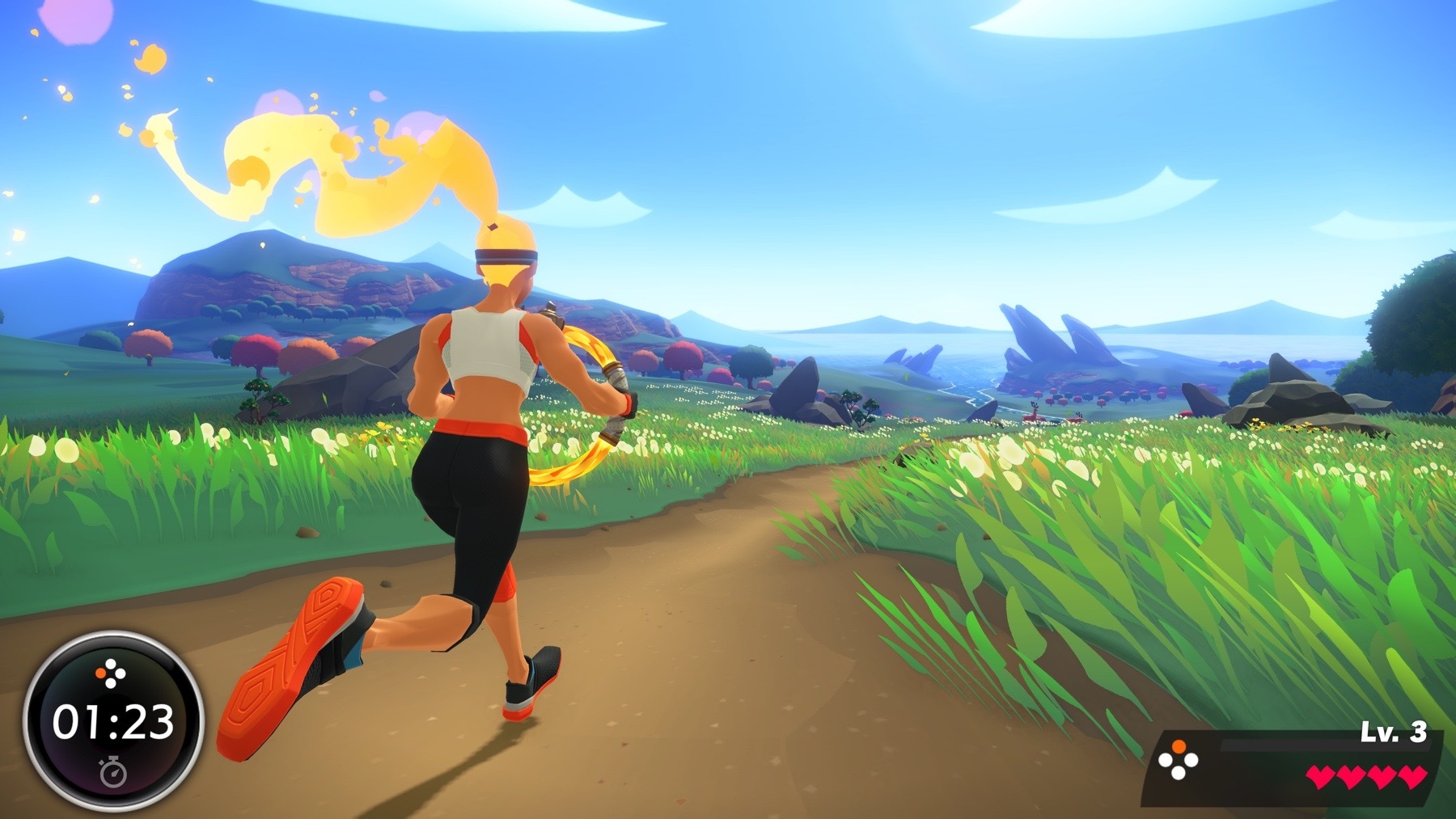
Ring Fit Adventure does a clever job of making exercise feel like a classic RPG quest, blending real-life movement with battles, level-ups, and character customization. One of the things that keeps the workouts interesting is the game’s skill tree and combat system—there’s more strategy here than you might expect from a fitness game. Deciding how to spend skill points, figuring out which moves to use in a fight, and planning workout routines all go hand-in-hand. Understanding these mechanics a bit better can not only help you breeze through tougher stages, but also bring some variety to your workouts.
Unlocking New Skills
Gaining new skills in Ring Fit Adventure keeps each session fresh and plays a huge role in how you tackle both exercise and in-game battles. Understanding how to unlock new moves helps you plan upgrades, fine-tune your strategy, and keep your workouts from feeling repetitive. Here’s how skill unlocks work, and how they change your gameplay.
Earning Skill Points
Your main tool for unlocking new skills is the Skill Point (SP) system. As you progress through Adventure Mode, every time you level up (or clear certain quests), you collect SP. You can check your current total any time in the menu.
- Leveling Up: Complete stages and get experience points (XP) by defeating enemies and winning boss fights.
- Side Quests: Some side missions and requests from NPCs offer SP as a reward.
- Bonus Encounters: Once you clear a stage, you might find bonus challenges that hand out small amounts of SP for successful completion.
Skill points aren’t used automatically—you decide when and where to spend them as you work through the skill tree.
The Skill Map: Paths and Priorities
You unlock moves through the Skill Map (the game’s version of a skill tree), found in the main menu under the “Skills” or “Skill Map” tab. The tree spreads out from the center, with multiple connected nodes representing skills, upgrades, or stat boosts. Each branch leads to a skill or stat upgrade in one of a few categories: attack moves, support skills, or passive bonuses.
- Grid Structure: The skill tree isn’t strictly linear—you can work toward different branches so long as your SP allows it, and you’ve unlocked connecting nodes.
- Skill Prerequisites: Some skills require you to unlock earlier nodes before you can access them, so you might need to plan a little if there’s a specific move you want.
Types of Skills
There are three main types of skills you can unlock:
-
Attack Skills: These are new exercises you can use in battle. Each exercise (Squats, Overhead Press, etc.) lands as a different attack, with its own power level and area of effect (single-target, multi-target, or full-enemy row). Higher-level attacks usually require higher stamina and longer or tougher movements.
-
Support Skills: These aren’t all about damage. Some moves heal your HP or boost your stats. An example: “Warrior Pose II” may heal you while attacking.
-
Stat Upgrades: These don’t give you new moves, but they increase your base health, attack, or defense. Handy for those tougher boss fights.
How to Spend Skill Points
When you’ve got enough skill points, head to the skill map and pick the next node. Nodes show what skill or upgrade they offer—read the descriptions so you know what you’re getting before you commit. The game also highlights what’s already unlocked and what’s still behind a lock.
- Focus on Attack Variety: Early on, it’s smart to unlock a mix of moves: some single-target, some multi-target, and a spread of colors (yellows, reds, blues, greens). Enemies have color-coded weaknesses, so having variety makes almost every stage easier.
- Don't Skip Stat Boosts: It’s tempting to rush for the next big attack, but a little extra HP or attack can make a real difference if you’re stuck on a tough segment.
- Plan for Recovery: Later in the game, enemies hit harder, so unlock a support skill or two if you want to avoid getting knocked out (and having to redo a stage).
Unlocking Advanced and Custom Skills
As you get farther, you’ll see additional skills pop up on the tree—like upgraded exercises (e.g., “Overhead Press II” or “Squats III”) which deal more damage or heal more HP. There are also unique moves that use combinations of muscle groups or movement patterns, often hiding behind wider branches of the tree.
- Branching Choices: Some advanced skills share a path for most of the tree, but then require you to choose between two different upgrades. Think about your play style—do you want faster moves, heavier single-hit skills, or broader area attacks?
- Custom Skill Loadouts: Once you have enough skills unlocked, the game lets you assemble your own lineup of moves to bring into battle. This is key for tailoring your workouts to your own physical needs, or just mixing things up if you’re getting bored.
Tips for Efficient Skill Unlocking
- Keep an Eye on Your Limits: If you find some moves physically taxing, space them out or focus on unlocking alternatives. The game gives enough flexibility to match your real-life fitness and any injuries.
- Review Enemy Patterns: Look at what types of enemies keep showing up in your run. If you’re fighting a lot of red enemies, unlocking strong red (Arm) moves early can speed things up.
- Swap Often: Don't be afraid to swap moves around between stages. Try new attacks as you unlock them to shake up your workouts and make sure you’re getting full-body activity.
Maximizing Progress
Progression is meant to feel steady, but if you ever feel stuck, consider grinding a few easy stages or taking on extra side quests for more skill points. Completing requests, replaying boss battles, and clearing challenge rounds can shave hours off your time spent grinding for new moves.
Learning to unlock and manage new skills in Ring Fit Adventure turns each workout session into an opportunity to experiment and improve—both in-game and in real-life fitness. The process is simple to pick up, but with new options appearing every few levels, there’s always something to look forward to as you move up and take on bigger challenges. Optimizing Skill Sets
Finding the right setup for your skill loadout in Ring Fit Adventure can make your battles easier, your workouts fresher, and your leveling more efficient. While the skill map gives plenty of options, knowing how to combine and rotate skills lets you deal max damage, recover more easily, and avoid plateauing in both game and fitness progress. Here’s how to fine-tune your build for every stage of your journey.
Building a Balanced Loadout
Every battle asks a little something different, so a good lineup shouldn’t lean too hard into just a single type of attack or support skill.
- Color Diversity: Each enemy has a color weakness (arms = red, legs = yellow, abs = blue, yoga = green). Make sure your active loadout includes at least one attack from each color. This helps you avoid situations where you’re stuck using weak moves just because of enemy type.
- Attack Spread: Include a mix of single-target, multi-target, and full-row skills. For stages with more than three enemies, multi-hit moves clear waves faster. For boss fights, high-power single-target attacks save time.
- Support Balance: Usually, one or two healing or buff skills is enough. Too many support skills can limit your offensive options, but skipping them leaves you vulnerable when the game ramps up difficulty.
Example Early-to-Mid Game Loadout
- Red/Arm: Overhead Press (single-target, strong power)
- Yellow/Leg: Squats or Thigh Press (multi-target)
- Blue/Abs: Russian Twist (row attack)
- Green/Yoga: Warrior II (heals HP, also attacks)
- Wildcard: Sit-Up (single-target, blue) or Seated Forward Press (multi-target, red)
This spread adapts well to most stages, letting you hit weaknesses and recover as needed.
Upgrading and Swapping Out Skills
As your skill tree opens, you’ll get stronger versions of core exercises (e.g., Squats → Squats II → Squats III). Upgrades usually mean more power and sometimes a larger area of effect.
- Direct Upgrades: If you unlock Squats II, swap out Squats I for the new one immediately—power creeps up quickly, and stronger moves burn through enemies faster.
- Area vs. Power Decision: Sometimes you’ll have to pick between a single-target high-damage move and a lower-power area attack. Check stage layouts: if you keep running into mobs, area attacks save time—even if they don’t hit as hard.
- Physical Comfort: If an exercise feels too tough on your body, don’t hesitate to replace it. There are usually alternatives that hit the same color weakness without causing you strain (for example, replacing standard Squats with Thigh Press).
When to Adjust
Before boss fights: Shift to higher single-target power and at least one support skill.
For mob waves: Prioritize multi-target and row attacks in colors matching enemy types.
If you’re getting bored: Refresh your attack lineup—using new moves both works new muscle groups and breaks up repetition.
Skill Synergy and Cooldown Management
Skills in Ring Fit Adventure are limited by a cooldown system: once you use a move, you can’t use it again for a certain number of turns. Optimizing your loadout keeps you from getting stuck on cooldowns with only weak attacks left.
- Alternate Colors: Don’t stack your loadout with too many moves of the same color; otherwise, you’ll run out of options when those skills are recharging.
- Mix Target Types: If all your strong attacks are row-based, single bosses or lone enemies will take awhile to defeat. Have backup single-target moves ready.
- Synergize Support Moves: Pair healing skills with challenging multi-target battles, and slot buffing moves right before expected boss gauntlets.
Example: Use a green support skill during a tough fight, then follow with strong red and yellow attacks while your HP regenerates.
Planning Ahead: Adapting for Fitness Goals
Games shouldn’t only serve in-game success—you can optimize your loadout for your real-life workout goals too.
- Muscle Focus: Want to work on legs? Set your attacks to favor yellow skills for a session, but don’t ignore other colors too long.
- Cardio Burn: Multi-target attacks often keep your heart rate higher than single-target options. Mix in exercises like Mountain Climbers or Knee Lifts for calorie-burning routines.
- Active Rest: If you need a lighter workout day but want to keep playing, swap in gentler yoga or stretching moves in your skill set.
Skill Optimization Q&A
Q: Should I always use the newest unlocked move?
A: Not always. Check if the new move fits your current needs—more power and target range is great, but only if you like the exercise or if it suits upcoming enemies.
Q: Is it worth unlocking every support skill?
A: Usually only a couple are needed. Some support moves are only minor upgrades, so focus on a main healing skill and one stat buff, unless you’re struggling with survival.
Q: Can my loadout change every stage?
A: Yes. Swap skills in and out depending on the stage’s enemies and your fitness needs that day.
Final Thoughts
Optimizing your skill sets in Ring Fit Adventure isn’t only about beating the game. With a little planning and frequent changes, you can keep stages interesting, push your own real-life fitness, and avoid skill cooldown traps. Rotate often, try new combo setups, and above all—have fun finding the mix that fits both your workout and play style. Here’s a friendly, detailed breakdown of how skill categories work in Ring Fit Adventure, so you can fine-tune both your battle tactics and your real-life sweat session.
Understanding Skill Categories (Arms, Legs, Core, Yoga)
Each skill you unlock in Ring Fit Adventure falls into one of four categories: Arms, Legs, Core, or Yoga. These aren’t just random labels—they’re tied to both the exercise you’ll do and to how you fight monsters. Let’s break down what each one means in-game, what moves go with each, and how color and exercise type connect.
The Basics: Color Coding & Weakness
Every skill category maps to a color:
- Arms: Red
- Legs: Yellow
- Core: Blue
- Yoga: Green
When you fight enemies, their color shows which skill type will do extra damage. Matching skill color to enemy color is key for fast, efficient clears. That’s why loading up on every category keeps you from being caught flat-footed.
Arms Skills (Red)
What They Are
Arms skills use upper body strength for attacks—think anything where you’re pressing, pulling, or squeezing the Ring-Con with your hands and arms.
Common Arm Exercises
- Overhead Press – Push the Ring-Con above your head
- Front Press – Press in at chest height
- Tricep Kickback – Hold the Ring-Con and extend your arm
How They Play
- Attack Type: Mostly single-target, but you’ll unlock multi- and row attacks later.
- Body Benefit: Works shoulders, chest, upper arms.
- Best For: Red enemies, boss fights when you need high single-target damage.
Some people find arms skills a great “active rest” between tough leg or core exercises, but don’t spam them—mix for cooldowns and muscle balance.
Leg Skills (Yellow)
What They Are
Legs skills are about lower body moves—squats, knee lifts, or anything else that has you push against the floor or move your legs with the Ring-Con at your thighs.
Common Leg Exercises
- Squats – Classic up-and-down
- Knee Lifts – Bring knees to chest, fast
- Thigh Press – Squeeze the Ring-Con between your thighs
How They Play
- Attack Type: Lots of multi-target and wide-area attacks. Squats and knee lifts often hit groups.
- Body Benefit: Hits your glutes, quads, hamstrings, AND can ramp up heart rate.
- Best For: Waves of yellow enemies, pushing through mobs, working up a sweat.
Leg skills pack a punch offensively, but don’t underestimate fatigue. If your legs get tired or sore, cycle these out, especially on back-to-back stages.
Core Skills (Blue)
What They Are
Core skills work your abs, obliques, and lower back. Expect twisting, crunching, or pushing the Ring-Con with your core muscles activated.
Common Core Exercises
- Russian Twist – Twist side to side holding Ring-Con
- Seated Forward Press – Press Ring-Con while sitting
- Seated Ring Raise – Lift the Ring-Con with your knees
How They Play
- Attack Type: Row attacks (hit all in a line), some single-target. Many have a moderate area of effect.
- Body Benefit: Great for core strength, stability, posture.
- Best For: Blue enemies, row formats, when you want to focus on abs without standing.
Core moves can feel less intense than leg attacks but can sneakily burn—a few twists in, and you’ll notice.
Yoga Skills (Green)
What They Are
Yoga skills are slower, controlled movements borrowed from yoga routines. You’ll stretch, hold poses, or press/pull with calm breaths.
Common Yoga Exercises
- Warrior I & II – Standing yoga postures
- Chair Pose – A squat-like hold, but steadier
- Tree Pose – One-legged balance
How They Play
- Attack Type: Some heal you, some attack (single or area), many help with buffs or other bonuses.
- Body Benefit: Flexibility, balance, calm—helpful on easier days or recovery sessions.
- Best For: Green enemies, healing up mid-battle, adding some lighter moves to the mix.
While yoga skills can feel like “the break” compared to active squats or presses, holding a pose right still works you.
How Categories Shape Your Game and Workout
Skill Category and Enemy Weakness
Using the right category against enemy color makes fights faster and lets you save stronger skills for key moments. Every level throws different colors at you. Swapping in one of each type keeps you flexible and winning.
Category = Exercise
Since categories map directly to real moves, you’re not just fighting differently—you’re working different muscle groups, too. Switch up the types to balance your actual body workout.
- All legs: Legs get tired, you risk burnout.
- No core: Miss out on ab and back training.
- Skip yoga: Lose flexibility and easy healing.
Upgrading Skills by Category
As you level up, each skill category gets power boosts and new attack types. For example, squats might start as single-target, but later you grab Squats II which hits a whole row with more power.
Tips for Using Categories
- Use all categories each stage. Don’t get caught without a key color—build your loadout with at least one of each.
- Rotate based on fatigue. Sore arms? Lean on legs and yoga moves for that stage.
- Plan for area and healing needs. Crowded levels? More leg/core multi-attacks. Tricky bosses? Add single-target arms and a yoga heal.
- Adjust for real-life goals. Want abs? Slot more blue. Need an easier day? Use more yoga.
Quick Reference Table
| Category | Color | Body Area | Goal | Example Move | |--------------|-------|---------------|-----------------------|--------------------| | Arms | Red | Upper body | Power, single-target | Overhead Press | | Legs | Yellow| Lower body | Multi-enemy, cardio | Squats | | Core | Blue | Abs, back | Rows, stability | Russian Twist | | Yoga | Green | Whole body | Heal, buff, recovery | Warrior Pose |
Matching skills to enemies and keeping moves varied by category keeps your battles smoother and your real-life workout balanced. Try swapping categories around and see what feels best as you play—the more you mix, the better both game and fitness sessions become!
Skill Tree Progression
Leveling up in Ring Fit Adventure doesn’t just mean bigger numbers next to your name. At a certain point in the main story (World 6), you’ll get access to the skill tree—where you pick new moves, stat boosts, and cool upgrades for Ring and your character. The choices you make here affect your attack options, survivability, and overall flow in battles, so knowing how progression works can make your sessions smoother and more fun.
How the Skill Tree Works
The skill tree is more of a branching grid, broken up by nodes (each is an upgrade). You unlock nodes by spending skill points, which you earn mostly by gaining experience and leveling up, but sometimes also as rewards from key quests or battles.
There are three basic types of nodes you’ll run into:
- Attack Skills — Unlock new exercises (moves) to use in combat.
- Stat Boosts — Permanently raise your attack or defense stats.
- Passive Skills/Bonuses — These might include healing buffs, extra hearts, or equipping special skills.
At first, the tree is pretty linear, but as you unlock more, branching paths appear. You’ll notice color-coded nodes that often map to the exercise colors—red, blue, yellow, green—but you can unlock them in whatever order fits your play style, as long as they’re connected.
Picking Your Path – What Should You Prioritize?
You can’t unlock everything right away, especially in early and mid game. It pays to be a little strategic with those hard-earned points. Here’s a quick breakdown of what to focus on:
1. More Skills = More Flexibility
- Unlock attack skills early—especially ones you don’t already own. Each area of the game can suddenly throw more of one color of enemy at you, so try to open up at least one strong attack in every color.
- Multi-target and area skills let you deal with groups faster. Moves like “Wide Squat” or “Mountain Climber” open up fights that would be slow slogs with all single-target skills.
2. Stat Upgrades Smooth Out Stages
- Attack and defense boosts feel small at first, but stacked across the tree they add up. If you’re dying a lot, or your hits are barely scratching enemies, some extra attack/defense from your tree can help.
- If you love a particular exercise type (maybe you mostly use blue core moves), focus on unlocking nodes that buff your favorite skill’s color for even more impact.
3. Healing and Utility Perks
- Some spots unlock new healing yoga moves. These are solid picks for longer or harder stages, where you’ll take a beating over several rounds.
- Later skill tree upgrades let you equip extra skills at once or give you passive healing. If you’re burning through smoothies, these nodes pay off in the long run.
Late Game: Filling the Whole Tree
By the time you’re closing in on the final worlds, you’ll have enough points to unlock almost everything. This is when you start rounding out weak spots, grab every skill you skipped, and grab those satisfying “max attack” or special passive bonuses.
Completionists: after the story, you can grind out skill points to fully fill the tree. This gives you the most options for replay, tougher challenges, and bonus content.
Tips for Efficient Progression
- Don’t hoard skill points—you rarely need to save up for the “perfect” node. Unlock good attack skills as soon as you can.
- If you find a boss or world that’s rough, check:
- Are you missing a strong move for that enemy color?
- Could more defense or HP help you survive?
- Swap out attack skills regularly. Stronger versions sometimes become available on your tree (“Overhead Press II,” “Thigh Press II”)—upgrade your loadout to keep up with enemies’ growing HP.
Mixing Skill Tree with Your Real Workout
Progression on the skill tree also shapes your actual workout. Unlocked moves add variety and hit more muscle groups, so you’re less likely to get bored or overuse a body part. If you feel sore, look for new skills that focus on a fresh area—like swapping to yoga for recovery or adding more arm attacks after a leg-heavy run.
Final Thoughts on Skill Trees
The Ring Fit Adventure skill tree lets you tailor both your battle strategy and your at-home workout. Try different paths, see what fits your goals, and keep an eye out for new upgrades as you level up. Balancing new moves, stat boosts, and healing powers makes each run smoother—and keeps your sessions fun and fresh.
Using Skills Effectively in Battle
Ring Fit Adventure’s combat mashes RPG elements with real-life reps. How you use the skills you unlock makes a huge difference—not just for taking down Dragaux’s minions, but for shaking up your own workouts. Let’s break down the basics of smart skill use, battle tactics, and how to keep your fitness and game strategy in sync.
Color Matching: Your First Line of Offense
Each enemy in Ring Fit Adventure glows with a color—red, yellow, blue, or green. That isn’t just for show. Using a skill that matches their color deals extra damage, sometimes enough to finish them off in a single round if your stats are up to par. Here’s how to make the most of it:
- Prioritize matching moves for every enemy. If faced with a blue foe, select a core skill for max punch. Facing two red enemies? Time to use arm skills.
- If your loadout is missing a color, you’ll do reduced damage and fights drag on. This is why keeping your skills diverse (see the skill tree guide above!) always pays off.
Multi-Target Attacks: Clearing Waves Fast
Standard single-target moves are solid for tough solo bosses. But when you see three or five enemies lined up, shift to your multi-target attacks:
- Wide-area skills (like Wide Squat or Mountain Climber) hit all enemies at once—perfect for getting through mob waves quickly.
- Row skills target straight lines. If three enemies are stacked vertically, a Row lets you hit them all—find the best grouping on the battlefield and pick accordingly.
Keep a balance: bringing only single- or multi-target skills makes certain fights much harder or much slower. Swap up based on what’s coming next.
Attack Power vs. Repetition: Work Smarter, Not Just Harder
Not all attacks are created equal. Each skill lists its attack power—higher numbers mean more damage, but these often need more reps and sometimes bigger movement ranges.
- When you unlock upgraded skills (like Overhead Press II), swap them in as soon as possible for stronger offense.
- Some skills with lower attacks need fewer reps, making them good for quick finishers or when your stamina’s running low.
- Pay attention to cooldowns. Most strong skills can’t be used again until after a few turns, so plan backup moves.
Skill Point Management: Swapping In and Out
You can only carry a handful of skills into each battle—at first 4, then gradually more as you level and advance the skill tree. Picking the right setup before heading to a boss or new world saves both in-game time and your muscle fatigue:
- Always pack at least one skill for each color. Check what enemies await and adjust.
- If you’re low on health, slot in at least one Yoga (green) move for some in-combat healing. Healing skills also help extend your run if you want to save smoothies.
- Upgrade your slot count through the skill tree as soon as possible so you aren’t forced to choose between key attacks.
Balancing Workout and Tactics
Mixing your skill selection isn’t just for gameplay—it keeps your real-life workout balanced and engaging.
- Alternate move types (arms, legs, core, yoga) from fight to fight to avoid tiring out one muscle group too early.
- Pay attention to signals from your body. If you’re getting tired, sub in a lower-rep or yoga skill between high-intensity sets.
- On tough stretches or boss fights, rotate single-target and group skills, keeping your most powerful attacks ready for when you need them most.
Advanced Combat Tips
- Buffs and debuffs: Some late-game skills add status effects like dropping enemy attack or buffing your own. Use these when you’re outnumbered or up against a tough boss.
- Passive skill perks: Keep an eye out for nodes that boost recovery, reduce damage, or let you heal extra with each move.
- Smoothie prep: While not a “skill,” smoothies stacked up before key battles can double your attack or grant color advantage. Don’t be shy about using them for both healing and offense during tougher battles.
Sample Skill Loadout for Mid-Game
- Red: Overhead Press II (single), Standing Twists (multi)
- Yellow: Squat (single), Mountain Climber II (multi)
- Blue: Seated Forward Press (single), Russian Twist (multi)
- Green: Warrior Pose II (heal/buff)
Swap out as needed based on world, enemies, or how you’re feeling physically.
Wrapping Up
Winning fights in Ring Fit Adventure isn’t just about ringing the controller harder—it’s about picking the right skills for each turn, rotating them to stay fresh, and thinking ahead as you fight tougher, more colorful enemies. With this flexible approach, you make the most of each workout session and breeze through tougher stages with both higher damage and better stamina.