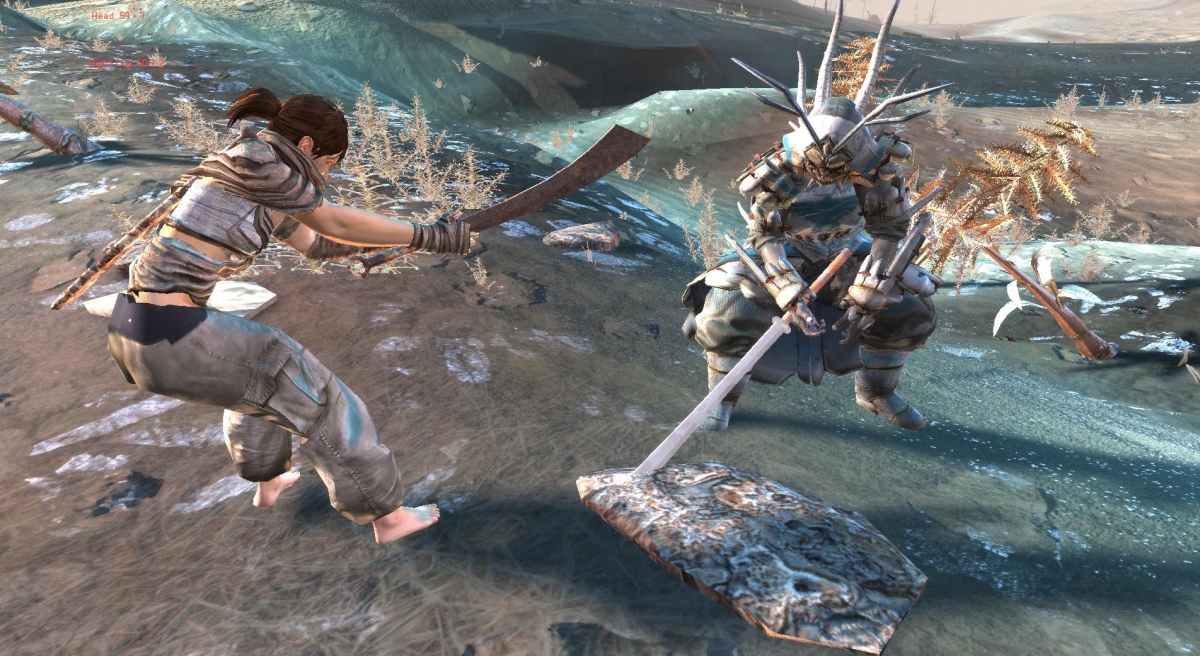
Kenshi Character Development and Survival Guide
Master Kenshi with tips on skill training, combat specialization, survival techniques, building your ideal squad, and navigating faction relations.
Kenshi's an unforgiving game--a sprawling sandbox that's both captivating and brutally challenging, where gaining experience often means surviving your mistakes. Building characters, improving stats, and simply staying alive in Kenshi involves a unique blend of player intuition and strategic planning. Whether you've just started exploring the harsh deserts, or already have a settlement up and running, navigating character growth alongside basic survival can often feel overwhelming. Balancing combat readiness, resource management, and finding ways to sustain your group in Kenshi's chaotic world isn't always straightforward, but having a solid grasp of the fundamentals can make your journey easier and more rewarding.
Skill Training in Kenshi: Surviving Through Self-Improvement
Kenshi doesn't hand out skill points neatly. Players can't just quickly grind out levels by smashing a few enemies like they would in a typical RPG. Instead, skills slowly increase as your character repeatedly performs related actions. If you're brand new, or just looking for some pointers on leveling essential skills, here's how to effectively train your characters--and stay alive in the process.
Understanding Skill Growth in Kenshi
First, a quick reminder: in Kenshi, players boost their skills by actually doing the activity associated with each stat. For example, if you want your combat skills higher, you'll have to fight (and probably get hurt a few times). If you're looking to boost cooking or engineering, your characters need to spend time at a stove or workstation. Slow but steady wins the race here--patience is key.
Some skills level quicker than others. Early levels come easy, but later on, expect a crawl. Still, incremental training pays off with better performance and better survival odds.
Building Combat Skills
Eventually, you'll have to fight. Bandits, hungry beasts, and hostile factions all threaten your group’s safety. Improving combat skills early keeps your characters alive and defending themselves effectively.
Melee Attack and Defense
Characters gain Melee Attack skill every time they swing a weapon in a fight. Yes, even missed swings count. Focus on taking on opponents slightly stronger than yourself--winning easily doesn't offer much improvement, and getting annihilated sets your party back. The ideal situation involves skirmishes where your fighting characters endure some tough hits without being totally destroyed.
Melee Defense rises when your characters block or evade attacks. Equipping heavier armor at first might seem great, as it reduces damage--but it's often better for early-level defense training to favor lighter armor. Your character will block and dodge more often--even though they'll take a few extra bruises, these exchanges quickly sharpen their Defense stat.
Toughness Matters--a Lot
Kenshi’s a violent place. Characters inevitably wind up bleeding out, crawling on broken limbs, or taking hits that'd kill most video game protagonists outright. Toughness helps reduce the severity of incoming damage and speeds character recovery. And there's only one way to boost it up: taking hits and bouncing back.
Start small: look for weak enemy squads, bait them into the fray, and allow characters to engage until they're moderately injured. If your place is secure enough, rest up and repeat. However, avoid purposely letting characters get knocked unconscious in remote or dangerous areas--one unlucky stroke of chance could wipe out your early squad.
Non-Combat Training Strategies
You can't rely purely on combat. Kenshi’s economy, settlements, and base-building all offer alternate ways to build crucial skills without constant risk.
Labor and Athletics--Steady Gains
Labor--used for mining, farming, or manual construction--levels up through repetition. Mining copper farms is an easy and profitable starting point. Not only does Labor improve quickly, but you can also safely sell your haul for much-needed Cats (the game's currency).
Athletics, meanwhile, grows faster if you're weighed down a bit. Try carrying extra ore, weapons, or resources while running errands around a town. Slogging around encumbered with heavy loot quickly boosts Athletics, speeding you up significantly at later levels.
Engineering, Crafting, and Cooking
Crafting and Engineering ramp up rapidly once you're set up in a secure spot. Build items you naturally need anyway, like armor and weapons--but be aware that skill levels greatly impact quality. Starting with basic items and materials helps characters rise in skill quickly, giving them the expertise they need down the line. Keep at least one person busy crafting at all times.
Cooking training feels manageable early on. Food is always valuable, and cooking animal meat over simple campfires serves multiple purposes. Hunting creatures, cooking their meat, and restocking supplies also gives a small Athletics and combat boost from chasing wounded prey. Multitasking pays off.
Training Safely With Prisoners
If you're willing to bend ethics for survival, capturing enemies can offer relatively risk-free skill gains. Imprison captured bandits before healing them up. Equip weaker training weapons like blunt clubs, then spar against your captives. Your characters safely level Combat, Defense, and Toughness without the threat of death. Just keep an eye out: escaping prisoners can turn the tables fast.
Utilizing Training Dummies and Skill Mods
Early settlements can build basic training structures for new characters to use, such as Training Dummies for melee skills. These provide convenient, early-level training up to skill level 5 or 10--but quickly lose effectiveness after that. Better training equipment is available through mods and expansions offered by Kenshi's modding community--use them if you're struggling, but careful moderation maintains game balance.
Tips for Efficient Skill Training
Let's summarize with some quick reminders to make your training efficient:
- Always balance risk versus reward--don't sacrifice safety recklessly.
- Use safe, profitable skill training early on to generate income (Labor, Athletics).
- Focus training on skills naturally used in your gameplay style. Combat-oriented players shouldn't avoid fights; farmers shouldn't hesitate to invest heavily in Agriculture and Cooking.
- The safest training option: settlements. Build up your home base and manage efficient skill cycling to train multiple characters without putting anyone at serious risk.
Skill training in Kenshi may be slow-paced and challenging, but that's part of the game's enduring appeal. Exercising patience while carefully selecting how, when, and where you level helps make your characters ready against Kenshi's brutal world. Whether warriors, crafters, or stealthy diplomats, your diverse group becomes tougher, faster, and stronger with each avoided failure--and earns satisfaction with every small success.
Combat Specialization -- Tailoring Your Warriors
When your ragtag team first tries to trade blows in the brutal wastelands of Kenshi, most fights feel desperate--the outcome uncertain. But training general combat skills only takes your characters so far. The difference between an average fighter and an exceptional warrior lies in specialized training. Tailoring each fighter's approach, equipment, and tactics turns struggling survivors into hardened specialists ready for tough situations.
Choosing a Weapon Type -- Be Deliberate
Every weapon type in Kenshi requires different skills and stats. Stick to one style long-term for each character so you avoid spreading effort too thin:
- Heavy Weapons: Like the iconic Fragment Axe, these monsters do serious damage per hit but swing slowly, tiring your character quickly. Exceptional against armored foes, terrible for quick movement. The skill 'Strength' directly determines heavy weapon effectiveness.
- Katanas: Quick attacks paired with relatively low damage per hit. Excellent at causing blood loss, and great against lightly armored enemies. Efficiency scales with the 'Dexterity' stat.
- Sabres and Hackers: Balanced middle ground. Sabres perform well against lightly armored targets; Hackers provide solid armor penetration effective against tougher foes. Great versatile tools for mixed combat scenarios.
- Polearms: Longer melee range allows striking enemies before they're too close. Useful for defensive lines and supporting heavier front-line fighters. Scales with Dexterity as well.
- Blunt Weapons: Ideal for capturing enemies alive, as most blunt weapons stun rather than kill. Good for non-lethal playstyles or building prisoner-training squads.
Find one or two weapons per character, have them wield consistently to maximize experience boosts, and let them level the corresponding weapon skill.
Specializing Armor & Equipment -- More than Just Looks
Armor drastically affects mobility, protection, and stamina drain. Pair armor carefully with your character's chosen weapon and role:
- Assault Roles (Heavy Weapon Fighters): Heavy armor like plate or samurai armor makes sense. Fighters in this category rely on durability, raw Strength, and absorbing many attacks to dish out damage.
- Light Duelists (Katanas, Polearms): Choose lighter, less restrictive armor suited to high Dexterity. Leather armor and assassin rags fit well with quicker-attacking specialists.
- Midrange Fighters (Sabres, Hackers): A balance between protection and mobility offers stability. Equipment like medium plate, chainmail or reinforced leather armor gives adequate defense without slowing down strikes too much.
Always watch your encumbrance level. Heavy armor combined with large weapons quickly becomes exhausting. Increase Strength over time to wear heavier gear efficiently.
Martial Arts -- Barehanded, Not Helpless
Martial Arts initially sound like a foolish choice in a harsh world of blades and heavy armor. But diligent training results in surprisingly lethal unarmed combat specialists. Characters specialized in martial arts rely heavily on Dexterity, Toughness, and pure Martial Arts skill. Early training feels punishingly slow--so equip lighter armor and start practicing against weak, isolated enemies. Once leveled up, martial artists deliver rapid, bone-breaking strikes capable of knocking enemies unconscious instantly. Invest wisely if you commit here, as the payoff is considerable but requires patience.
Crossbows & Ranged Combat Specialists
Not every combat specialist needs to melee. Ranged attackers provide critical tactical cover:
- Crossbow Advantages: Crossbows deliver significant ranged damage safely from a distance. Crossbow skill steadily increases accuracy and reload speed, turning veterans into sharpshooter threats.
- Choosing Ammo Wisely: Heavier bolts penetrate armor more easily but weigh down your shooters and slow reload. Regular or toothpick-style bolts fire quickly, excellent against lightly armored mobs or distracted opponents.
Specializing purely in ranged combat means your shooters stay fragile at close range. Pair crossbow sharpshooters with dedicated front-line defenders for best results. Constantly tweak shooting positions during fights to keep squads safe and effectively trained.
Group Tactics -- Mix Specialists for Advantage
Once individual characters begin excelling in their specialties, thoughtful tactical positioning and group assignments pay off immensely:
- Keep heavy weapon fighters and tough frontliners near the center, absorbing attention from the enemy.
- Place polearm specialists right behind, using their reach advantage to strike safely past frontline allies.
- Rotate faster katana or sabre wielders to the flanks--fast attacks quickly eliminate weaker opponents and disrupt enemy formations.
- Leave crossbow specialists in high-ground or safe positions, firing freely at enemy groups and key opponents.
- Martial artists excel at handling isolated threats or capturing fleeing enemies alive for interrogation or training.
Adjusting group position based on strengths proves critical for survival. Pay attention to which enemies threaten which specialists during battles.
Utilizing Squad Management Effectively
Specialists matter most when managed efficiently through Kenshi’s squad interface. Organize your groups based on their combat specializations--labelled clearly in separate squads. Equip each squad with purpose-built healing or repair kits and distribute food supplies equally across your warriors. Organized groups keep fights smooth and prevent confusion during high-intensity moments. Spend a few minutes assigning squad roles and formations early so commanding your carefully trained team feels intuitive later on.
Staying Specialized over the Long Haul
Focusing characters into specialized combat roles seems unintuitive at first. Kenshi’s chaotic sandbox teaches players quickly that generalists struggle against tougher enemies. Deliberate specialization gradually strengths squads while giving your uniquely trained warriors clear purpose.
Focus clearly: pick a solid weapon strategy, pair gear appropriately, and plan group tactics wisely. Over time, your specialist characters evolve into powerful forces adept at overcoming challenges regular warriors wouldn't even dare approach. Kenshi rewards careful planning--dedicating specialized paths helps transform your crew from vulnerable newcomers into battle-worn veterans.
Survival Techniques -- Staying Alive in Kenshi’s Brutal World
Kenshi doesn’t care if you’re a seasoned RPG fan or a newbie traveler just getting started--this unforgiving wasteland is designed to defeat the unprepared. Outside of combat prowess, knowing how to keep characters alive through harsh environmental conditions, starvation risks, and roaming threats is equally important. Let's get practical and go over some essential survival techniques to make sure your squad doesn’t just scrape by, but thrives.
Managing Hunger and Nutrition Effectively
Food is life, literally, in Kenshi. Characters regularly need to eat or their Hunger stat decreases, reducing efficiency in tasks and combat effectiveness significantly. Keep an eye on your characters' Hunger bars--never ignore flickering warnings or falling stats. Stockpile food when possible, prioritizing options with higher Nutrition values.
- Dried Meat (15 Nutrition): Easy-to-find meat, often crafted by hunting weaker wildlife or looting animals. Low nutrition but readily available early on.
- Bread (30 Nutrition): Common food made from wheat farms and baking in an oven. Requires decent infrastructure but offers reliable mid-game food supply.
- Food Cubes (75 Nutrition) and Gohan (75 Nutrition): Ideal late-game foods. Packaged or prepared from rice and vegetables, these meals free up inventory space and keep your characters fed much longer.
Group meals and feeding stations in your bases ease inventory management tremendously. Each character will automatically grab meals from backpacks or nearby storage via squad inventory sharing. Keep specialists fighting, workers farming, and travelers exploring without frequent manual food checks.
Safely Scouting New Territories
Sending your entire squad to unknown territory blindly gets everyone killed quickly. Figuring out safe ways to recon unfamiliar areas means characters survive longer and your progress continues forward.
- Use Stealth & Speed: Assign a single lightweight scout character equipped in cloth or assassin rags to move swiftly and quietly. High athletics and stealth skills help avoid enemy patrols.
- Recognize Hostile Habitats: Before moving whole groups, send scouts around ruins or suspicious outposts to spot enemy patrols or dangerous wildlife. Avoiding conflict preserves valuable resources like healing supplies and saves lives.
- Rely on Terrain Advantages: Hills, cliffs, and around-town outskirts present safer pathways compared to open deserts or populated roads patrolled heavily by slavers, starving bandits, or worse.
Advance carefully into new zones--surprise dangers multiply quickly in Kenshi. Create designated scouts trained for stealth operations--this allows safer exploration while protecting your main groups.
Injury Management & Healing Wisely
In Kenshi combat and harsh environments hurt, badly. Even minor fights can seriously injure members, slowing your entire group down. Learning best practices on injuries, first aid, and recovery drastically improves squad longevity.
- First Aid Supplies Ready: Equip characters with first aid kits or medkits to perform immediate battlefield treatment. Kits are essential and your lifeline in combat; running out means death is imminent, even from small wounds.
- Assign Medics Wisely: Designated healers trained high in field medic skills patch up allies swiftly after fights, allowing injured fighters to recover faster.
- Rest Often at Safe Zones: Injuries take significant time to heal fully. Build or find secure sleeping areas like inns in towns, isolated safehouses, or camp beds in your outpost. Sleep boosts recovery massively, especially for highly wounded characters.
Proper injury management gets crews back on their feet faster and makes major setbacks far less painful, literally and figuratively.
Optimizing Base-Building & Sustainable Resources
Survival isn’t just about fighting and healing; Kenshi survival depends heavily on establishing sustainable settlements. Your outposts become lifelines, offering constant food production, healing supplies, equipment, and safe places to recuperate between adventures.
- Prioritize Resource Locations: Establish bases near water sources, fertile soil plots, and ore-rich land for farming and mining. Smart locations produce food and materials efficiently, creating self-sustainable settlements.
- Automate Food Production: With farms producing wheat, rice, and vegetables regularly, assign dedicated farming specialists who harvest continuously. Small squads constantly cultivate to provide stable food availability.
- Efficient Storage Management: Build ample storage containers in each outpost clearly labeled for food, crafting materials, medicines, and gear. Organized storages drastically simplify management for long-term operations, reducing wasted food and preserving supplies effectively.
Dedicated agriculture, infrastructure, and careful base management solidify long-term survival prospects. Even small starter camps greatly improve chances against harsh exploration setbacks and enemy incursions.
Escaping Dangerous Encounters Smartly
Sometimes in Kenshi, survival means understanding when and how to avoid losing fights. Smart, tactical retreat saves character lives and your valuable investments in training and resources.
- Know When to Run: Watch enemy groups carefully--if greatly outnumbered or encountering powerful foes like Beak Things or high-level Samurai patrols, don’t hesitate. Quickly retreat to safe zones.
- Utilize Distraction Techniques: When chased, drop lower-value items to distract bandits or wildlife, buying valuable escape seconds. Lighter characters run faster, thus ditching junk or excess rocks often allows efficient fleeing.
- Set Rally Points: Clearly set designated rally points or safe meeting spots for fleeing squads. Coordinate regrouping after escape to handle injuries methodically once danger has passed.
Running away doesn't mean defeat in Kenshi--it's a survival necessity. A smart retreat saves characters’ statistics, valuable gear, and prevents unnecessary restarts from scratch.
Conclusion
Survival in Kenshi isn't simply a matter of beating back enemies--truly thriving means mastering food management, reconnaissance skills, injury treatment, solid base-building practices, and knowing when battles shouldn't even begin. Applying these practical techniques helps your fledgling characters become tough, experienced survivors capable of handling the wasteland's endless harshness while thriving in this unforgiving open world sandbox.
Building a Squad
Kenshi is about survival in a world that doesn’t care about your character's individual glory. Lone wolves rarely last long--the wastelands make quick work of those who go it alone. Building a balanced and capable team gives you staying power, keeps each member alive, and opens doors to greater exploration, combat success, and impactful strategies. Let’s break down exactly how to recruit, train, and develop a well-rounded squad that lasts.
Recruiting the Right Members
Choosing squadmates involves more than grabbing everyone you meet. To set up your group for success, think carefully about who you let join your ranks:
-
Hiring from Bars and Towns: The simplest recruitment happens at bars across the map. Speak with travelers and drifters; most join for a fee. Early affordable members help get your crew going quickly--just talk to characters with generic names ("Drifter," "Greenlander," etc.), as these guys don't require you to do anything special besides paying up.
-
Liberating Slaves and Prisoners: You can also rescue slaves or imprisoned characters. Breaking chains or freeing prisoners gains loyal new squad members for free. The downside is that escaped slaves can draw attention from slavers or law enforcement, so have a safe route and hiding spot ready before attempting risky rescues.
-
Balancing Backgrounds and Stats: Pay close attention to each recruit's beginning stats and specialties. Look for potential recruits specializing in traits you need, like crafting, farming, or combat skills--these strengths make new members more efficient right out of the gate.
A solid crew usually begins with at least four or five characters, each with distinct responsibilities and specialties. Avoid the temptation to grow too fast, too soon--each additional mouth requires food, supplies, and upkeep.
Filling Squad Roles & Balancing Specializations
An all-combat crew tears up early fights but fails to manage crucial survival tasks. Likewise, a team full of farmers or researchers won't last past the first serious raid. Strike a careful balance, assigning clearly defined roles for long-term survival:
-
Heavy Hitters & Defenders: One or two strong melee warriors wearing heavy armor and wielding large weapons like sabers or katanas handle tough enemies and provide a frontline defense. These fighters often take the majority of enemy attacks, protecting weaker members.
-
Lightweight Scouters & Archers: Characters excelling in athletics, crossbows, and stealth support your heavy units. By moving quickly and firing safely from afar, ranged experts stay alive longer and provide valuable covering fire, especially against stronger groups.
-
Medics & Support Specialists: Keep at least one dedicated healer with strong medic skills covering the entire team. In a pinch, medics apply fast battlefield first aid, keeping wounded squadmates fighting or retreating safely. Consider your healer as important as your main fighters--survival hinges heavily on how quickly your injured are patched up.
-
Engineers & Researchers: You’ll need building experts or researchers managing crucial base upgrades, crafting gear, and constructing defenses reliably. Ensure squad members assigned these non-combat roles stay safe behind camp walls or guarded by stronger teammates.
-
Farmers & Laborers: A steady food supply is essential. Assign squadmates explicitly tasked with farming, mining, and food preparation. While not flashy roles, these assigned jobs keep everyone properly fed, healed, and prepared for tough challenges out on harsh roads.
Clearly define each member's specialty early. Over time, rotate responsibilities to diversify skillsets, but maintain clear priorities--effective teams rely on organization and specialization.
Training Effectively to Build Core Strength
Haphazardly sending recruits into frequent, risky battles produces uneven results and lots of early deaths. Thoughtful training habits slowly convert your beginners into battle-hardened survivors:
-
Start Small: Beginners often struggle to defeat even weaker bandit factions. Build up confidence and stats first by sparring with harmless wildlife, training dummies, or low-risk lone bandits. With patience, your fighters toughen naturally without expensive medkits every fight.
-
Buddy System: Pair newer recruits with strong squad veterans as personal trainers. Stay close, intervening if danger grows too much. Experienced teammates reduce risks, safeguard rookies during training missions, and help newer members quickly level key skills.
-
Regular Skill Building: Set aside dedicated time specifically for targeted skill progression beyond ordinary adventuring. Drills like lockpicking chests safely near camp, operating mining nodes, actively researching at benches, using farms, or building structures gradually raise proficiency safely over time.
-
Controlling Risk: Be strategic when deciding when characters enter combat. Avoid sending medics or researchers to front lines unnecessarily. If important characters must fight, equip them defensively and train combat abilities carefully beforehand. Managing this carefully keeps your squad fully functional instead of repeatedly starting over from costly deaths.
Develop squadmates balanced across many core skills rather than obsessively mastering one specialty early--broad usefulness keeps the entire group capable no matter what challenges appear.
Equipping Your Squad Smartly
Skill alone won’t keep your recruits alive. Assigning well-fitting equipment makes a massive difference, turning rookie survivors into rugged, capable fighters.
-
Armor: Heaviest chest and leg armor protects crucial front-line soldiers from serious wounds. Scouts and archers should use lighter-grade stealth rags or leather armor, offering reasonable protection without limiting movement--speed saves lives more reliably here.
-
Weapons: Pick combat gear matching each recruit’s primary role. Heavy troops benefit from stronger melee weapons like heavy sabers, long cleavers, or large swords. Archers or ranged fighters carry quality crossbows and ammunition supplies handy at all times.
-
Backpacks & Essentials: Quick access to first aid kits in every inventory saves lives routinely in fights. Medics carry multiple advanced kits when possible. For prolonged missions, each member should have smaller backpacks to hold food reserves, gear, looted resources, and emergency equipment.
Check equipment conditions frequently, repairing worn-down armor and weapons in downtime. Replace damaged items quickly--sending fighters out poorly equipped never ends well.
Keeping the Squad Together & Managing Morale
Kenshi doesn't track "morale" officially, but squad cohesion and effectiveness rely on keeping your workers together, alive, and satisfied.
-
Feed the Crew Thoroughly: Hunger quickly leads to severe stat penalties. Focus on sustainable food production to regularly meet everyone’s nutritional needs reliably.
-
Prevent Unnecessary Risks: Don’t let squadmates run off solo unnecessarily--this invites trouble. Maintain grouped-up exploration when heading into dangerous territory.
-
Allow for Rest & Recovery: Injured or heavily exhausted squadmates underperform. Take regular downtime--safe sleeping quarters boost recovery quickly and reduce lost production significantly.
By managing your team responsibly, you improve personal and collective survival rates. Kenshi may not directly track morale, but squadmates who live longer and feel supported are happier warriors.
Final Thoughts on Building a Squad
In Kenshi, nobody survives entirely on their own strength. A carefully constructed and reliably trained squad survives many brutal encounters through strength in numbers, specialized roles, thoughtful preparation, and clear teamwork. Forming small units that complement each other’s skills--combined with authentic team-building and risk control--allows your group to survive longer, pushing deeper into the unforgiving wastelands.
Understanding Factions and Their Dynamics
Kenshi isn't just about keeping your own crew alive; it's also about handling interactions with the various factions populating this brutal wasteland. These factions range from bandit groups and political powers to wandering traders and religious zealots. Knowing how to deal with each group can significantly change your survival experience--affecting everything from your settlement’s safety to resource availability.
Factions each have their own territories, goals, politics, friends, and enemies. How you behave around them determines whether they become trusted allies, indifferent bystanders, or relentless enemies bent on your destruction.
Relationship Status Explained
Each faction has a numeric relationship rating reflecting their attitude toward your squad. You'll find this number clearly displayed by clicking on a faction in the menu. Here's how relationship rankings typically break down:
- 100 to 50 (Excellent): They consider your team as close allies, offering generous discounts when trading, and will actively support you in combat against shared foes. You can safely travel inside their cities and strongholds.
- 49 to 1 (Friendly): They'll trade openly and sometimes assist against mutual enemies, but won't jump in to protect you without direct provocation.
- 0 to -24 (Neutral or Slightly Negative): Neither hostile nor friendly. They'll usually ignore you, though you've likely annoyed them mildly at some stage. Avoid causing further provocations to maintain neutrality.
- -25 to -49 (Unfriendly): At this stage, faction settlements won't welcome you warmly, restricting trade options and occasionally turning you away. Repeatedly crossing these groups risks turning them permanently hostile.
- -50 to -100 (Hostile): Members actively hunt down your squad without hesitation, raiding your settlements, attacking on sight, and becoming long-term threats. Avoid allowing any relations to decay this far unless you’re prepared for war.
Building Positive Relationships
Making friends isn’t easy in Kenshi, but there are clear ways to strengthen your standing with the game's powerful groups:
- Assist against common enemies: If you notice a group fighting bandits or another hostile faction, jumping in on their side earns goodwill. A quick intervention can easily boost relationships by several points.
- Healing Wounded Allies: After fighting alongside a future ally, administer medical treatment to their injured soldiers. Good medical deeds bring gratitude and increased favor.
- Trading and Commerce: Regularly conducting business provides a modest reputation boost. Selling items often helps, especially rare or high-quality gear, although these boosts remain small and steady rather than dramatic.
- Freeing Slaves or Bounties: Rescuing faction members captured by rivals or turning in bounties hunted by powerful groups results in a considerable relationship improvement. Highly recommended if your standing has fallen significantly.
Damaging Your Standing and Causing Hostility
Keeping peaceful relations requires vigilance. Simple mistakes or rash actions can quickly ruin any progress toward alliances:
- Trespassing & Theft: Breaking into restricted spaces without permission or getting caught stealing drags your standing down rapidly.
- Open Attacks: Obviously harming faction members or attacking patrols causes instant, long-lasting damage. Defend yourself if attacked, but avoid unnecessary aggression.
- Refusing Military Demands: Some aggressive factions (like the Holy Nation) impose strict rules. Refusing their commands or demands often leads to instant hostility.
- Harboring Enemies: If a faction discovers you openly shelter their sworn enemies, expect their mood to sour. Choose carefully whom to welcome into your settlements.
Major Factions and Quick Tips
A few major factions exert significant influence over Kenshi's landscape. Each demands a different survival strategy:
- The Holy Nation: Deeply religious, controlling regions with ruthlessness toward non-humans and women. Follow their laws carefully (if you meet their criteria) or risk swift retribution.
- United Cities: A more neutral, trader-focused empire. Mostly receptive to peaceful commerce, but quick to respond harshly to threats. Stay respectful, keep trade flowing, and they'll mostly leave you alone.
- Shek Kingdom: Warrior-dominated and valuing strength above all else. Proving your prowess in combat impresses them quickly, but perceived cowardice earns their contempt.
- Bandit Groups (Dust Bandits, Hungry Bandits, Cannibals, etc.): Hostile by default but individually weaker. You can never truly ally, but maintaining hostile relations with bandit factions usually poses minimal risk--just be prepared for their frequent attacks.
Balancing Your Alliances and Rivals
Kenshi doesn't require you to align strictly with one single faction--but managing multiple relationships adds difficulty. Becoming allies with one powerful group often risks making others nervous or suspicious. For instance, siding openly with the Holy Nation makes the Shek Kingdom and anti-slavery factions suspicious or even antagonistic toward you.
To keep your gameplay manageable:
- Prioritize the faction most aligned with your long-term survival goals.
- Avoid open conflicts with groups you’re not prepared to fight yet--stay cordial or neutral whenever possible and gradually strengthen standing through careful diplomacy.
- Always have escape plans and defensive preparations when relations sour suddenly.
Why Factions Matter for Survival
At first glance, faction relationships might seem secondary compared to personal growth and base-building. But Kenshi's harsh environment forces survivors into careful decisions. Poor faction management consistently leads to brutal raids, loss of valuable trade opportunities, famine due to supply issues, or restricted access to large regions occupied by hostile armies.
Properly managed faction relations unlock trade discounts, powerful allies reinforcing your bases, safer travel paths, and access to better and rarer gear. Even relatively neutral relationships reduce unnecessary conflict and provide stability to your settlement growth.
Conclusion: Smart Faction Management Saves Lives
In Kenshi, handling your relationships wisely can be just as important as combat and resource management. Master diplomacy thoughtfully--choose factions wisely, respond to threats strategically, and aim to avoid unnecessary grudges. This approach not only ensures survival but gives your team breathing room in a world rarely offering second chances.