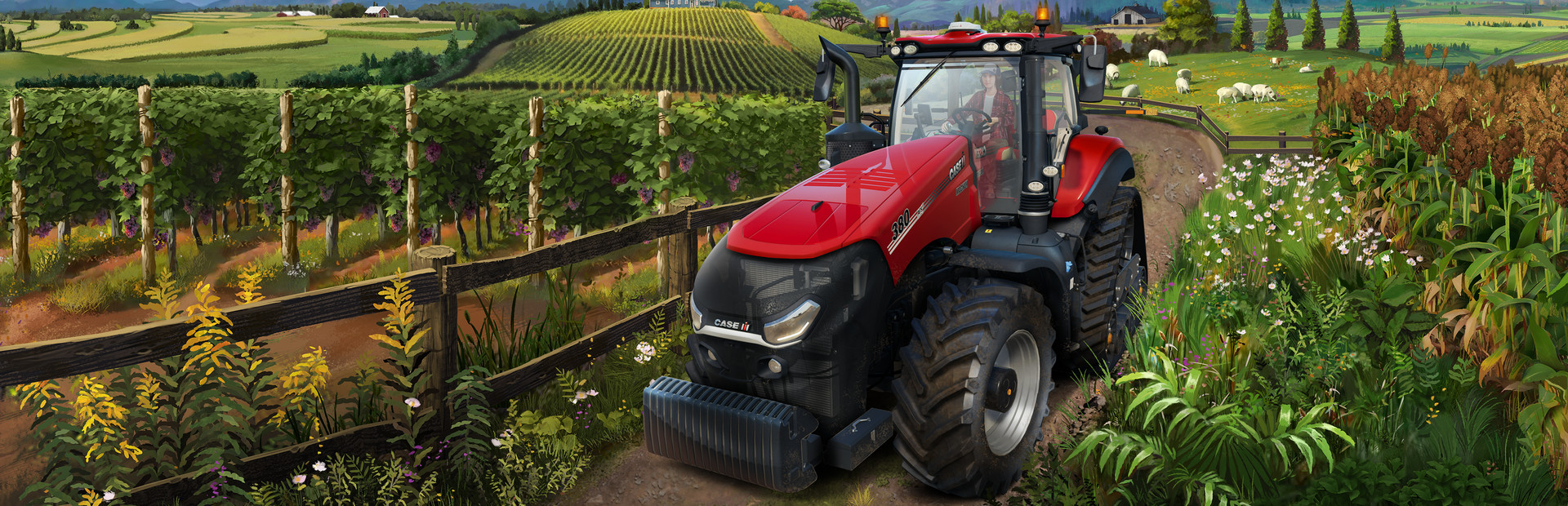
Farming Simulator 22: Complete Forestry Guide
Master forestry in Farming Simulator 22 with essential gear, tree-felling tips, logging strategies, economic insights, and sustainable replanting.
Forestry in Farming Simulator 22 offers an interesting change of pace from traditional farming, especially if you've gotten comfortable with crops and livestock. Logging and wood production add quite a bit of depth to your gameplay, giving you a range of specialized machinery to try out and offering additional ways to grow your farm's profits. At first glance, forestry might seem straightforward--just cutting down trees and hauling away logs--but there's actually quite a bit to consider, from choosing the right equipment and efficiently handling timber, to replanting and managing your woodland sustainably over time. Whether you're looking to expand your current operations or simply curious about the forestry side of Farming Simulator 22, you'll find there's plenty to explore and master.
Equipment Essentials for Forestry in Farming Simulator 22
If you're itching to get started with cutting trees and hauling logs, having the right equipment is key to turning a good profit and keeping your logging adventures headache-free. Forestry gear comes in lots of shapes, sizes, and prices--but don't worry, we'll walk you through the essentials you’ll need straight away.
Chainsaws: Your Basic Handheld Tool
Beginning loggers absolutely need a trusty chainsaw. They're affordable, cost-effective, and easy to find in the store. Chainsaws let you make precise cuts, removing tree branches and felling trees exactly where you want them. Popular brands available in-game like STIHL, Husqvarna, and JONSERED do mostly the same job--so pick whichever you prefer. Chainsaws are your go-to for clean cuts and easy mobility early on.
Forestry Machines: Harvesters & Forwarders
When profits start rolling in and you look to scale operations, investing in a forestry harvester is the natural next step. Harvesters are specialized forestry vehicles designed to fell, de-branch, and cut trees automatically into neat, uniform-sized logs. The in-game brands such as Komatsu, Ponsse, and Rottne each have solid options. Choosing a harvester means quicker wood processing, though the upfront costs can feel pretty steep.
Complement a harvester with a forwarder--a specialized forestry transporter--to haul logs away efficiently. Forwarders, equipped with hydraulic arms, quickly pick up logs from awkward spots on rough ground, making large-scale work quicker and easier than manually loading logs onto trailers. Forwarders are expensive, but they're worth the investment.
Loaders and Cranes: Safe, Convenient Log Transporting
Once you've got piles of processed timber, the next hurdle is efficiently loading them onto your trailers. For newcomers, forklifts and front loaders with log-specific attachments (log forks or grapples) will do the job well. When working bigger operations, though, using specialized timber cranes on logging trailers becomes essential. Brands like Palfinger and Kesla provide strong machinery with powerful crane arms, letting you load logs quickly and neatly.
For larger shipments, consider purchasing semitrailer log carriers capable of hauling more lumber per trip. They'll save you considerable time, cutting down transport efforts over the long run.
Stump Grinders: Keeping Things Tidy
Ever chopped down trees and then gotten frustrated at all the left-behind stumps cluttering your fields? Those leftover stumps aren't just unsightly--they can mess with other machinery too. This is where a stump grinder enters the picture. Stump grinders attach to the back or front of standard tractors and easily grind those stubborn stumps right into the ground. Cleaning up stumps isn't flashy, but it does save future headaches, keeping your land cleared and ready for replanting or construction.
Wood Chippers and Trailers: Profit from Those Smaller Pieces
Don't just toss branches or odd-sized logs aside--turn smaller timber scraps into valuable woodchips that put more cash in your pocket. A wood chipper attachment mounted on tractors or standalone chipper trailers can gobble unwanted scraps, turning them quickly into sellable resources. Remember, chipped wood can often fetch a decent price at biomass heating plants, generating additional money from timber you'd otherwise discard.
Reforestation Equipment: Sustainability Pays Off
Logging areas eventually run out of mature, harvest-ready trees. Reforestation is a practical choice to keep your logging business profitable over time. Seedling planters (tree planters) attach to your tractor and let you quickly plant young trees in organized rows, replenishing forests sustainably. Seedling planters are inexpensive, easy to use, and ensure you don't run out of trees to cut later.
Leasing vs. Buying: Weighing Your Options
Pay attention to your budget--forestry gear quickly drains your account if you're careless. If you're dipping your toes into forestry or only planning occasional work, leasing forestry equipment is affordable and smart. Leasing lets you test more expensive gear without committing permanently, perfect for short forestry experiments or tight budgets.
But once logging becomes your farm’s steady revenue source, owning machinery outright becomes economical. Owning gear prevents recurring lease fees, keeping more cash steadily rolling in over time.
Quick Recap Checklist--What You Need
Starting Small:
- Chainsaw
- Front loader & log grapple attachments
- Simple tractor-trailer
Scaling Up:
- Forestry harvester and forwarders
- Logging trailers with built-in crane loaders
- Powerful stump grinders and wood chippers
- Semi-truck style log haulers
- Tree planting equipment (planters, saplings)
Forestry in Farming Simulator 22 becomes much simpler--and more enjoyable--once you're using the right tools for the job. Investing smartly into forestry equipment at each stage maximizes profits, reduces frustrations, and makes your logging empire flourish with ease.
Tree Felling Techniques: From Beginner to Pro
Once you've picked out your logging equipment, it's time to get down to business. Felling trees safely, quickly, and efficiently is central to forestry success in Farming Simulator 22. While it seems simple enough--take a chainsaw, cut down a tree, profit--mastering proper techniques helps prevent messy scenes and will save you valuable time. Let's start off with the basics.
Choosing the Right Tree
Always pick your trees strategically rather than cutting randomly. High-quality, mature trees offer the most timber, providing larger profit margins. Using forestry harvesters instantly tells you a tree's size and condition, making selection straightforward. If you're using a chainsaw, opt for larger, straighter trees that produce uniform logs. Avoid trees that curve wildly, as transporting oddly-shaped logs is a huge hassle.
Directional Cutting 101
Directional cutting allows you to control exactly where your tree lands. Getting good at this means fewer tangled piles, less chaos, and more orderly work areas.
Here’s how it's done:
-
Step 1: Cut a notch
Stand in front of your chosen tree and position your chainsaw horizontally at waist level, aimed toward the direction you want it to fall. Cut into the tree at a comfortable angle (about 45-degrees) until you're about a third through the trunk. -
Step 2: Make a back cut
Move around to the opposite side and begin cutting horizontally, slightly above your previous cut. Keep cutting through, watching carefully. When done right, the tree will tilt toward your first notch cut and fall predictably in that direction.
Directional cutting prevents logs from landing in troublesome spots like roads, buildings, or vehicles. It might take practice at first, but trust me--proper felling saves hassle down the road.
Working with Forestry Harvesters
Forestry harvesters simplify the entire felling process. They're capable of grabbing whole trees, stripping branches, and chopping logs to uniform lengths, all in one go. But these machines have their quirks, so follow some best practices while using them:
-
Position smartly: Bring your harvester straight toward the tree, aligning the cutting head at roughly mid-height of the trunk. Most harvesters will indicate when they're in an ideal cutting position, highlighted by a guidance crosshair.
-
Choose your logs' length carefully: Before cutting begins, you'll select the desired log length from your machine's cutting control panel. Optimal lengths depend on your transport equipment--short logs suit smaller trailers better, aside from being easier to handle. Semitrailers handle long logs much better.
-
Automatic cutting: Engage the cutting mechanism, and the harvester trims branches automatically. Logs get sliced neatly and fall near your machine, easy for later pickup.
Harvester machinery comes with a learning curve. Practice with smaller trees initially and work your way up. Soon, you'll fell entire fields efficiently, earning serious revenue.
Dealing with Tricky Situations: Stuck Trees & Obstacles
Sometimes your trees land in less-than-ideal positions. Maybe branches intertwine oddly, or the trunk wedges between vehicles and buildings. Don't panic! You can still sort them out.
-
Chainsaw Rescue Cuts: If your trees create tangled messes, carefully prune obstructing branches with your chainsaw. Removing problematic branches helps logs settle neatly. Then, chop logs to manageable lengths to carry or load more easily.
-
Tractor Nudge: For stuck logs where chainsaws can't help, gently nudging logs loose with your tractor or loader can reposition troublesome timber. Go slowly to prevent worse piles or vehicle damage. Patience is key here!
Working Safely & Smartly
Keep in mind these additional forestry safety and efficiency tips:
-
Clear your workspace: Don't leave stumps lying around--use stump grinders after felling to make space for machinery and avoid inconvenient crashes or jams.
-
Sell or chip scraps promptly: Smaller branches and by-products clutter fields quickly. Chippers efficiently remove debris by turning them into profitable woodchips, keeping your work areas tidy.
-
Planning ahead: Always fell wood close to storage or loading sites to speed up transporting tasks. Think of your logging area layout as logically as possible, minimizing distances traveled between tasks.
Following these straightforward tree felling methods will help your forestry adventures run smoothly from the very start. Practice makes perfect--soon you'll confidently handle any tree logging situation FS22 throws your way.
Mastering Log Hauling and Transport
So you’ve got your trees neatly felled--smooth sailing from here, right? Not quite. Getting your logs safely loaded up and transported to the sawmill or selling point is just as important as the felling itself. Mistakes in loading and transport can cost precious hours. Follow these simple but effective guidelines to make every logging run easy, speedy, and profitable.
Picking the Right Trailer
Your choice of trailer depends heavily on your log lengths and forestry scale. Here's how trailers break down in Farming Simulator 22:
-
Forestry Trailers (Short & Medium Logs):
Ideal if you're running small batches or shorter log cuts. They’re compact, affordable, and easy to maneuver, but they can’t hold huge amounts. -
Semi-Trailers (Medium & Long Logs):
Best if you're cutting logs in larger quantities or longer lengths. Semis hold significantly more timber, maximizing profit per haul--but you'll need a strong tractor or truck capable of pulling them effectively.
Don’t try to squeeze long logs into smaller trailers. Overhang can unbalance your load and scatter logs across roads, wasting valuable time.
Loading Logs Efficiently
Loading logs by hand is doable but tedious. Invest quickly in log grabbers or cranes--they significantly speed up your loading routine and minimize frustration.
-
Front Loader & Log Grab:
Great for smaller-scale logging. Equip a versatile tractor with loaders and log forks. Angle forks slightly downward, approach logs at their center, and scoop under for easy pickup. Securely tilt back to keep logs stable during transport. -
Dedicated Cranes & Forwarders:
Upgrading to crane-equipped forwarder trucks or cranes attached to trailers hugely upgrades productivity for large-scale logging. Cranes pick logs swiftly, allow precise placement, and neatly stack cargo--letting you haul heavier loads faster.
Proper Log Stacking Techniques
Effective stacking isn't about sloppily loading up logs and hoping they won't spill everywhere--there's an art to it:
-
Place heaviest first: Start loading heavier, bulkier logs near the base and evenly distribute weight on both sides of your trailer. This stabilizes your load.
-
Alternate directions: Layer logs every other level, rotating slightly. A crossover stack formation prevents slipping and creates neat piles.
-
Secure loads tightly: FS22 conveniently includes tension belts to hold your logs securely, acting as life-savers for tricky hauls. Tighten belts often and re-check after any sharp turns, bumps, or extended travel.
Careful stacking ensures logs reach their destination in good condition, ready for sale at top price.
Smart Route Planning
Before hitting the roads, plan your routes carefully. Logging success involves choosing efficient routes with gentle curves, fewer inclines, and wide open spaces welcoming large forestry equipment:
-
Aim for straight & wide: Big turning radiuses reduce risks of tipping trailers or awkward reversing situations.
-
Avoid steep hills: Hauling heavy timber uphill drains excessive fuel, decreases speed, and frustrates drivers. Schedule logging routes on flatter, gentler terrains.
-
Maintain road access: Regularly clear fallen tree debris and stumps near roads. Clean transport paths make collection and dropping off logs quick and smooth.
Selling Logs Smartly
Choosing where and how to sell your logs can drastically change profits. FS22 gives several options for cashing in:
-
Sawmill delivery:
Usually the simplest solution. Prices are consistent, and equipment access straightforward. Great starting point when new to forestry. -
Biomass Plants & Woodchip Sales:
Have some leftovers and scraps? Biomass plants accept any miscellaneous wood or woodchips. While profit margins are lower, biomass lets you clean your workspace and squeeze extra income from scraps. -
Checking Prices Often:
Market prices constantly fluctuate. Always visit the game's pricing menu. Sell logs in large quantities during price spikes for maximum payout.
Putting It All Together: Log Loading Checklist
Before your next load, a quick checklist:
- Select suitable trailer (matching log length & volume).
- Equip with cranes or loaders for faster loading.
- Stack logs carefully, alternate each layer.
- Tighten your securing belts regularly.
- Check your mapping: Clear, flat paths are key.
- Verify timber or biomass prices before delivery.
- Haul safely and profit!
Consistently using these tips ensures your forestry haul becomes smooth, efficient, and very profitable. No matter how big or small your logging operation, mastering these effective log hauling techniques makes every workday a breeze in Farming Simulator 22.
Understanding the Forestry Economy in Farming Simulator 22
Time to talk money! You’ve mastered logging methods and hauling your timber, but turning trees into cash is the whole point, right? FS22 forestry isn’t just felling and delivering; there's an economy behind it driving how much you'll earn. Giving it some careful attention can help you avoid mistakes and boost profits across the board.
Let's break down exactly how the forestry economy functions, the factors affecting wood prices, and some ways you can better manage your logging business.
Wood Pricing Basics and Market Mechanics
In Farming Simulator 22, wood pricing isn't random--it's based on real demand-driven pricing, meaning prices rise and fall depending on supply, seasons, and selling locations. Paying close attention here means the difference between a healthy bank account or barely getting by.
-
Supply and Demand:
When you sell tons of logs at once, prices at that selling location decrease temporarily. Spreading your deliveries out over time can lead to higher overall income per load. -
Seasonal Variations:
Seasons significantly affect log value. Selling logs in winter typically yields better returns, as colder months have naturally higher wood demand. Waiting for winter if you can store logs neatly near roads or sheds pays off--that little patience rewards nicely. -
Check Selling Locations Regularly:
Prices fluctuate at different locations like sawmills and biomass plants. Always use the game's built-in price tracker found in your menu--it shows live price updates and clearly indicates the most profitable location at any given moment.
Maximizing Profits With Woodchips and Biomass
FS22 forestry has more money-making solutions beyond raw log sales alone. Woodchips and biomass operations provide an additional income avenue, making good use of every branch and wood scrap:
-
Generating Woodchips:
Feed small logs, extra branches, or crooked pieces into a woodchipper--easy equipment that quickly gives value to leftover materials. While woodchips won't earn as much cash as straight timber, they sell faster at biomass stations, giving consistent income streams between log loads. -
Biomass Plants Explained:
Biomass plants offer less income per ton than sawmills, but their quick turnaround makes this convenient. Since biomass accepts various wood forms (including chips), it's a perfect place to unload excess scraps and declutter work areas efficiently. This saves hauling time and fuel--particularly handy when logging farther from traditional sawmills.
By incorporating woodchip production consistently into your forestry strategy, you reduce waste, produce extra cash flow, and increase profits across your logging business.
Managing Operational Costs Carefully
Logging isn't just income. Like any business, expenses can nibble profits away if not watched carefully. Expenses add up from several main areas in Farming Simulator 22 forestry:
-
Equipment Maintenance Costs:
Daily usage slowly degrades equipment, and damaged gear reduces productivity--requiring more time to finish logging work. Repair regularly at in-game equipment workshops. The longer you let maintenance slip, the bigger the final bill becomes. -
Fuel Consumption:
Running large, powerful vehicles uphill or through challenging terrain quickly devours fuel, becoming expensive over time. Plan routes carefully and upgrade to fuel-efficient tractors and trucks early. -
Workers' Wages:
Hiring AI help provides convenience, but adds to overhead. Use workers selectively for tasks consuming significant time like loading or long-distance hauling. Saving worker hiring for the toughest or longest tasks keeps payroll manageable.
Keeping tabs on these expenses prevents surprise declines in profits at month's end, solidifying a healthier forestry economy.
Expanding and Scaling Your Forestry Business
Successful FS22 forestry players know to reinvest profits effectively. After some logging experience and steady income, consider gradually expanding--purchasing better land plots or valuable machinery unlocks higher production.
-
Upgrade Your Equipment:
When affordable, switch from starter machinery to specialized forestry grippers, forwarders, cranes, and advanced chippers--they significantly boost your logging speed and output per day. Greater efficiency means higher returns and steadier profits. -
Own Timberland:
Owning your forestry plots cuts costs in the long run. While initial land prices may seem steep, land provides predictable income potential, as trees regrow over time if carefully replanted and maintained. Think carefully about optimal locations--close proximity to sawmills or biomass stations ensures faster hauling and lower costs per load. -
Mix Income Streams:
Diversifying with farmland or livestock alongside your forestry operations generates multiple steady revenue streams. Rotating between woodcutting seasons and agricultural harvests helps offset slow logging months, smoothing income stability.
Sustainability and Regrowth Strategies
Trees aren't instant--they grow slowly. To ensure consistent yields, plan for regrowth:
-
Replant after harvesting:
Replant cleared plots immediately after logging operations with affordable saplings. FS22 supports renewable forestry, meaning your replanted trees will naturally mature to become harvestable after sufficient in-game growth cycles. -
Diversify tree species:
Certain species like spruce grow quickly, offering fast turnaround times, while oak produces larger logs worth greater income but taking more seasons to mature. Plant mixed forests with short- and long-term tree varieties--this approach gives predictable harvest incomes periodically while waiting for slow-growing species to mature.
Thoughtful replanting isn't just a nice thing to do; it stabilizes forestry timelines, keeps your logging cycles rolling smoothly, and ensures a continuous supply for profitable sales year-round.
Forestry Economy Checklist Recap
For a forestry economy that grows healthy and profitable over time, follow this checklist consistently:
- Monitor log market prices regularly and choose sale locations strategically.
- Store timber piles and sell logs during winter months for higher returns.
- Generate woodchips and biomass regularly from scraps to prevent waste and boost revenue.
- Stay mindful of daily operational costs--maintain equipment, minimize fuel usage, and carefully monitor worker expenditures.
- Reinvest profits strategically to expand forestry operations with new equipment, land investments, or additional income streams.
- Consistently replant harvested areas, mixing quick-growing and slow-maturing trees for reliable future harvesting cycles.
By treating your FS22 logging business as just that--a business--and understanding timber markets, cost control, and regrowth strategies, you'll keep cash flowing smoothly. Forestry work in Farming Simulator 22 rewards careful decision-making, helping you reliably grow your digital logging empire into a profitable economic powerhouse, season after season.
Making Tree Replanting Part of Your Forestry Cycle
In Farming Simulator 22, logging shouldn't just end after you've chopped down your last tree. Clearing an entire land plot leaves a gap in your production schedule unless you proactively replant. Plus, who wants to stare at empty fields and stumps all day? By immediately planting saplings after harvesting, you'll prepare that plot for future logging and guarantee steady earnings.
Luckily, FS22 makes tree planting straightforward. Visit the in-game store to select saplings, conveniently packaged on pallets. Pair these pallets with planting equipment, such as tree planters attached to tractors, and you're set for quick and efficient reforesting. As soon as you've cleared an area, replant quickly to prevent downtime. Keeping an eye on regrowth rates and logging cycles means by the time you've harvested other plots, previously planted areas will become harvest-ready again.
Picking the Right Saplings for Your Needs
Not all trees offer equal value. Different tree species come with different growing periods and log quality, impacting their profitability and timeline. Knowing tree species' pros and cons leads to smarter forestry choices.
Fast-Growing Trees (Spruce or Pine)
Trees with rapid growth cycles, like spruce or pine, mature faster. While their individual logs might fetch slightly lower prices at sawmills, frequent harvesting balances things out. Quick-growing trees grant regular income streams and flexibility for players needing consistent cash flow year-round.
These speedy species suit scenarios demanding short-term profit or fast land turnover. Plant these when expanding aggressively, replenishing your logging budget, or waiting for slower-growing plots to catch up.
High-Value Hardwood (Oak or Maple)
Hardwood varieties, while slower growing, carry significant financial potential. Oak or maple saplings require multiple seasons before reaching maturity--but once they're ready, they produce larger, sturdier logs carrying higher resale values at sawmills.
Opting for hardwood trees is ideal for long-term planners focused on maximizing profits per load. Hardwood also mixes well alongside quicker varieties, smoothing cash flow gaps by balancing short- and long-term harvesting goals.
Mixing Both: Your Secret Forestry Recipe
Plant diverse forests combining short-term cash-cow spruces with high-value oaks or maples for massive profit potential down the road. The quick-maturing spruce or pine parcels get harvested frequently for steady returns, while your slower-growing oaks mature quietly, becoming future windfalls every few seasons.
Keep careful track of each plot and its maturity schedule, and you'll sync harvesting timelines efficiently--earning consistent money from rapid growers while patiently cultivating hardwood forests that’ll soon pay out big.
Farming Simulator 22 Sustainability: It's Not Just a Buzzword
In FS22, sustainability has direct gameplay benefits and practical impacts. Wasteful clear-cutting, followed by neglect, leaves you scrambling financially with empty spaces offering zero profit potential. Staying sustainable helps stabilize your forestry business permanently.
Avoid Overlogging and Erosion Risks
Logging without immediate replanting causes land problems beyond just lost profits. Bare patches risk soil erosion from rainfall, limiting future productivity. Healthy saplings act as preventative measures, stabilizing soil and preserving the log plot's long-term productivity. Reforesting drastically reduces erosion chances and maintains healthy lands ready for harvest cycles ahead.
Consistent Harvesting Keeps Machinery Busy
Idle machinery costs money without providing returns. Consistent planting schedules give your costly logging equipment constant employment each season. Updated machinery stays useful throughout the year instead of gathering costly dust during unnecessary downtime. Consistency means predictable costs and prevents unexpected surprises.
Community Goodwill and Clean Replanting Bonuses
FS22 acknowledges farmers and loggers who take tree planting seriously, granting environmental bonuses and improving in-game stats. Maintaining sustainable lands increases your overall forestry rating, sometimes unlocking special perks or rewards and strengthening your overall profits.
Becoming a Forestry Pro: Simple Sustainable Strategies
FS22's forestry gameplay encourages sustainability with built-in forestry tools and straightforward planting options. Just plant regularly after a logging session and prioritize varied sapling choices. Soon enough, you'll have multiple steady income streams with minimal downtime. Sustainability starts simple and pays back big in the long run:
- Harvest plots methodically and avoid unnecessary clear-cutting.
- Replant right away using convenient tree planters and sapling pallets.
- Mix fast-growing pine or spruce with valuable oak or maple varieties to balance profit timelines.
- Track timings carefully for consistent harvest scheduling and steady incomes.
- Regular reforesting cuts erosion risks and maintains your forestry score.
By prioritizing replanting and planning out sustainable logging cycles, Farming Simulator 22 players ensure healthier forests, stable incomes, optimized machinery usage, and even earn in-game sustainability bonuses. In short: when it comes to forestry, simple replanting pays off again and again.