Teamfight Tactics Beginner Guide: How to Win Your First 10 Games
This covers how TFT's picks, gold, positioning, and augments work, plus the mistakes that sink new players in their first ten games.
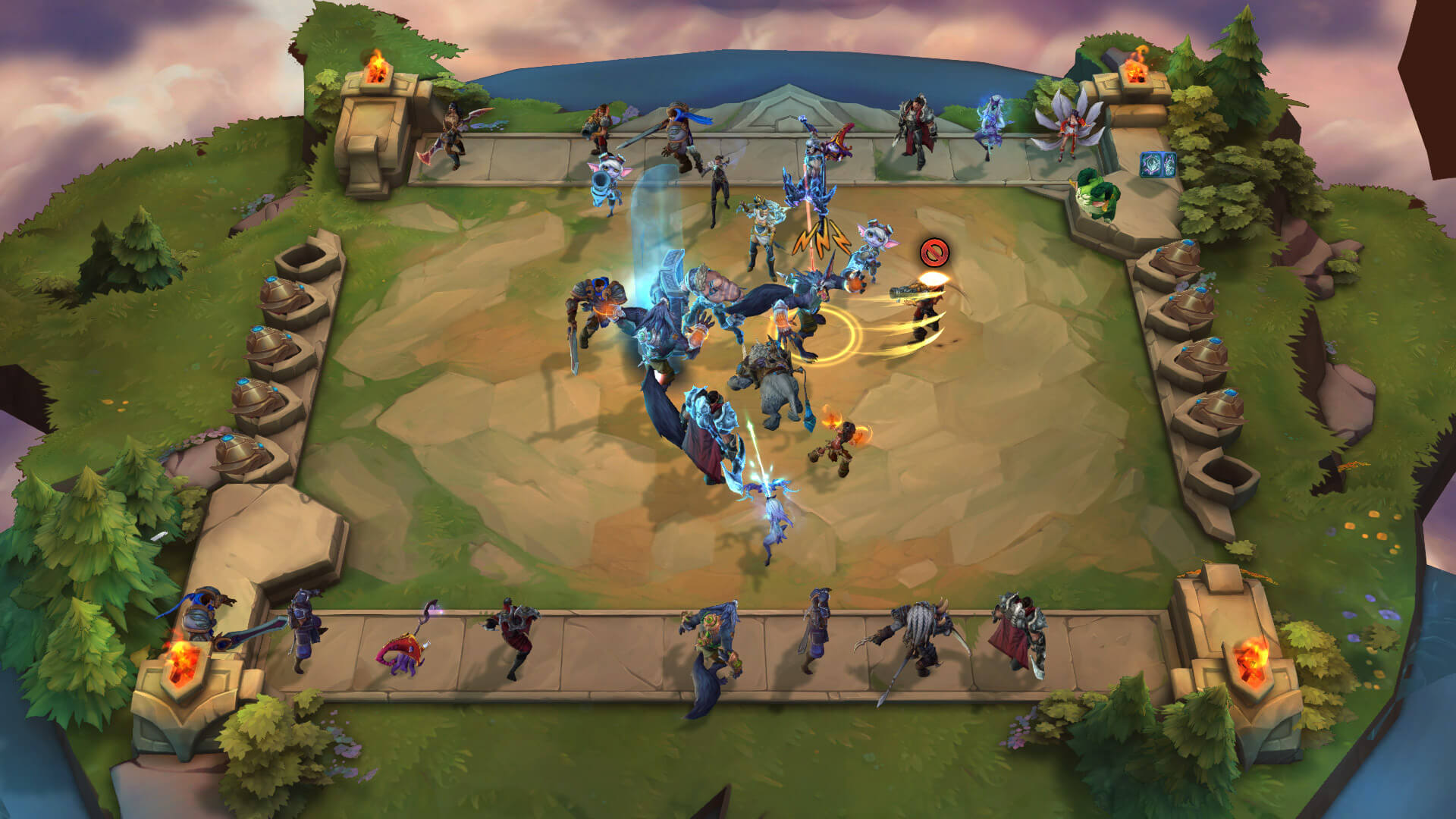
Teamfight Tactics looks like chaos the first time you load in. Eight players, a shop full of little champions, gold ticking up, and a board you have to fill. It's an auto-battler, which means you handle the setup and the units fight on their own. Your job is the setup part. Get that right and the wins start coming.
Most new players finish in the bottom four for one of two reasons: they spend gold wrong, or they lock into a plan before the game tells them what's possible. Fix those two habits and you'll already be ahead of half the lobby. The sections below walk through the systems that actually decide games, in plain terms, so you can stop guessing and start climbing.
Understanding the Carousel and Early Pick Priority
Here's the honest version first. The carousel is a piece of TFT history. For most of the game's life, every few rounds all eight players would run their little tactician out to a spinning ring of champions in the middle of the board, each one holding an item, and grab one. Lowest health picked first, which turned it into a comeback tool for players who were behind.
That classic carousel is gone in the current set. Set 17 (Space Gods) retired it and swapped in a God pick. Instead of dashing out to grab a unit, you choose a blessing from one of two Gods that show up in your match. The comeback part stuck around though. Players with less health still get first pick, so falling behind still hands you priority on the good stuff.
So why does this section still talk about the carousel? Because the skill underneath it never left. Early pick priority is still a real thing, and what you grab early quietly shapes your whole game. The mechanic changed. The thinking didn't.
What to actually value on an early pick
Whether you're grabbing a classic carousel champ or picking a blessing, the early game rewards a few things:
- Flexible item components over narrow ones. Components build into your carry's core gear, and a piece that goes into several good items opens more doors than a piece that only builds one thing. A Bow or a Sword is usually a safer grab than something with one narrow use.
- A champion that fits more than one possible team. If a unit could slot into three different comps, take it over a unit that only works in one. Keep your options open this early.
- Raw early power when your board is weak. A strong early unit can win you rounds you'd otherwise lose, and winning rounds pays gold and saves health.
Pick order still matters
Here's the part beginners miss. Pick priority isn't just about who grabs the shiniest toy. It's also about information. The players who pick later get to see what everyone else took. Late in a draft you can read what's left and grab the piece no one else wanted but you actually need.
And because low-health players pick first, there's a real (if risky) strategy in taking some early damage on purpose to bank better picks later. Most beginners shouldn't try this yet. Just know it exists, so when you watch a streamer "open fort" and lose on purpose early, that's the logic behind it.
So don't autopilot your early picks. Ask what the piece does for you across a few possible teams, not just the one team you hope to build, because the units and items you lock in during stage 1 quietly steer the next 30 minutes.
Economy Basics: When to Roll and When to Save Gold
This is the section that wins games. More beginners lose to bad gold habits than to bad unit picks. Get this part right and you'll climb even with shaky positioning.
TFT pays you a few different ways each round. There's a base payout that grows as the game goes (a couple gold in stage 1, then a flat 5 gold per round from stage 2-2 onward). You get 1 bonus gold for winning a player-vs-player round and nothing for losing. And you get streak money for stringing wins or losses together. The big one, though, is interest.
Interest: the real engine
You earn bonus gold for every 10 coins you're holding at the end of a round, up to a hard cap.
| Gold held | Interest bonus | |-----------|----------------| | 0–9 | 0 | | 10–19 | +1 | | 20–29 | +2 | | 30–39 | +3 | | 40–49 | +4 | | 50+ | +5 (max) |
That cap at 50 is the whole game. Once you're sitting on 50 gold, you earn the max 5 interest every round, and anything above 50 is basically free money you can spend without slowing your income. The classic strong play is to rush to 50 gold early, then spend only the overflow on leveling and rolling. New players who sit at 30 gold "because they might need it" are leaving free income on the table every single round.
Streaks stack on top of interest, and the game pays you for losing too.
| Streak length | Bonus per round | |---------------|-----------------| | 2–3 in a row | +1 | | 4–5 in a row | +2 | | 6+ in a row | +3 |
A six-game loss streak hands you the same +3 as a six-game win streak. That's why open-fort play (losing on purpose early to bank gold and grab good low-health picks) is a real strategy, even if it's rough for beginners to pull off.
Roll with a reason
Rolling means spending gold to refresh your shop. The classic beginner mistake is rolling because the shop looks boring. Don't. Every roll without a target is gold you're lighting on fire.
Roll when you're close to something. A few copies of your key unit, a missing piece for a trait, a chance to two-star your carry. When you hit the upgrade you wanted, stop. Rebuild your gold and let interest do its thing again.
A decent rule of thumb for your first games: get to 50 gold, then only spend below 50 at a couple of key moments, usually stage 3-2 and stage 4-1 or 4-2. Those are the rounds where the whole lobby's power spikes, and you need upgrades to keep up.
Leveling benchmarks
You buy XP at 4 gold for 4 XP, and the game hands you 2 free XP at the end of every round. Leveling is expensive and gets a lot pricier the higher you go, so timing matters more than speed.
Common milestones for a fairly normal win-streak game:
- Level 4 around stage 2-1
- Level 5 around stage 2-5
- Level 6 around stage 3-1
- Level 7 around stage 3-5
- Level 8 around stage 4-2
If you're loss-streaking and saving, you hit these a touch later but with more gold in pocket. If you're win-streaking, you push them early to keep your board ahead of the lobby. The level itself is never the point. What it buys you is: more board slots, better traits, and better shop odds for higher-cost units. Push a level when it makes your board stronger or protects a streak, not just because you can afford it.
Positioning Your Frontline and Backline Correctly
Units fight on their own, but where you put them decides who they hit and who hits them. Good positioning can flip a losing board into a winning one. Bad positioning can lose you a round you should've won by a mile.
The basic shape
Put your tanks in the front two rows and your damage dealers in the back. That's it. That's maybe 80% of positioning. The frontline exists to soak hits and buy time for your carries to do their job. A carry with no frontline dies in two seconds and contributes nothing.
Your main damage unit, the carry, almost always belongs in a back corner. Corners are safer because fewer enemies can reach them quickly. Leave a squishy carry in the middle of the back row and anything that jumps the backline eats it first.
Frontline tips
- Put tanks roughly across from the enemy's big threats when you can. If their hardest-hitting unit is top-left, meeting it with your tank up top keeps it busy longer.
- Spread your tanks a little so splash and area damage doesn't hit all of them at once. A tight clump dies fast to anything that hits multiple targets.
- Don't stack your whole team in one corner. It feels safe until someone brings a board-clearing ability or a unit that punches straight through a wall.
Backline tips
- Corner your carry. Seriously, corners. It's the single highest-value positioning habit you can build early.
- Keep supports and secondary damage near but not directly on top of the carry, so one bad hit doesn't take out both at once.
- Watch for flankers. Some comps run units that hop straight to the backline. When you spot one in the lobby, tuck a tank next to your carry to bodyguard it.
Scouting changes everything
Between rounds, click the little icons of the other players and look at their boards. You're checking two things: what they're building, and where they placed their threats.
If three other players are chasing the same carry you are, you're "contested," and finding copies of that unit gets way harder. You might want to pivot to something uncontested. If someone runs a backline jumper, you reposition around it. Scouting takes about five seconds and it's the difference between a real decision and a blind guess.
Position for the lobby you're actually in, not the one you wish you were in. The same board can win one round and lose the next just because you moved two units to match what the opponent built.
Reading the Augment Draft for Your Comp
Augments are permanent bonuses you pick during a match. They show up at three fixed spots: stage 2-1, stage 3-2, and stage 4-2. Each time, you get three choices and pick one. Augments come in three power tiers, from Silver (smallest) up through Gold to Prismatic (biggest swing). Once you lock one in, it's yours for the whole game.
Used well, augments define your team. Used badly, they fight against it.
The early augment (2-1) is the flexible one
Your first augment lands before you really know what your final team looks like. So don't tunnel on a comp this early. Pick something that helps broadly or points you in a direction without locking you in.
Generic power works great here. Extra gold, bonus stats across your whole board, or an item that slots into many teams. You haven't committed to anything yet, so a flexible augment keeps your options open while still making you stronger right now.
If a more specific augment shows up and looks juicy, sure, take it. Just treat it as a nudge, not a vow. You can still pivot later if the shop offers you something better.
The later augments commit you
By stage 3-2 and especially 4-2, you should know roughly what you're building. Now you pick augments that make your actual team stronger. A trait-based augment that boosts the comp you're already running usually beats a flashy one that doesn't fit your units.
Here's the thinking. An augment is only as good as how much it helps the units you actually play. A Prismatic augment for a trait you have one copy of is worth less than a Silver augment that slots right into your board. Power in a vacuum doesn't win rounds. Power on your actual units does.
Avoid the shiny-object trap
Beginners tend to grab the rarest augment on offer because it looks the strongest. That's a trap. A Prismatic pick that doesn't match your team is dead weight for the rest of the game.
Read the augment against your board, not against its color. A simple check before you lock in: which of these three makes the units you already have hit harder or live longer? Pick that one. If two are close, lean toward the one that fixes your team's weak spot. Squishy and dying? Grab durability. Damage too slow to kill their frontline? Grab a power spike.
Common Beginner Mistakes That Cost You Games
Almost every beginner loss traces back to one of the habits below. Fix them and the floor of your play rises fast.
Forcing a comp too early
You watched a video about some team, you queue up, and you try to build it no matter what the shop gives you. That's the number one beginner killer.
TFT rewards flexibility. You don't pick your final team in stage 1. You read what the shop offers, what augments you roll, and what items drop, and you let the game tell you what's possible. Pick a direction early, sure, but stay ready to bend. If the shop keeps shoving a different carry at you, follow the shop. Forcing a team the lobby isn't giving you the pieces for is how you go out eighth with a half-built board.
Rolling without a plan
Hitting the refresh button because you're nervous is how you go broke. Every roll should have a target: a specific unit you're trying to star up, or a stabilization push at a known timing. No target, no roll. Hold the gold, earn the interest, and wait for a moment that actually matters.
Sitting on item components
Items win rounds, and unbuilt components win nothing. Some beginners hoard pieces waiting for the "perfect" item later. Don't. Slam early items onto units you're using now, even if those units are temporary. An item on a champ you'll sell in two rounds still wins you rounds today, and winning rounds pays gold and saves health. You can move items off a unit before you sell it, so there's almost no downside to using them early.
Not scouting
If you never look at other boards, you're playing blind. You won't see that you're contested for your carry, you won't see the backline jumper coming, and you won't know whether the lobby is weak (so you can save gold) or strong (so you need to roll now). Click around between rounds. Five seconds, every round, no exceptions.
Greeding while bleeding
Saving gold for a big late-game spike is a fine plan when you're healthy. It's a death sentence when you're at 20 health in stage 3. If you're losing a lot of health fast, spend. Survive now, fix the economy later. Going out in eighth because you were too proud to drop below 50 gold is how most greedy-save games actually end.
Ignoring positioning
Plugging in the same board every round and hoping works sometimes. Against anyone who scouts and repositions, it falls apart. Move a couple units each round based on what you saw in the lobby. It's free wins, and it costs you nothing but attention.
Pick one of these to fix first, probably the rolling-without-a-plan habit since it pays off the fastest, and your next ten games will look completely different.