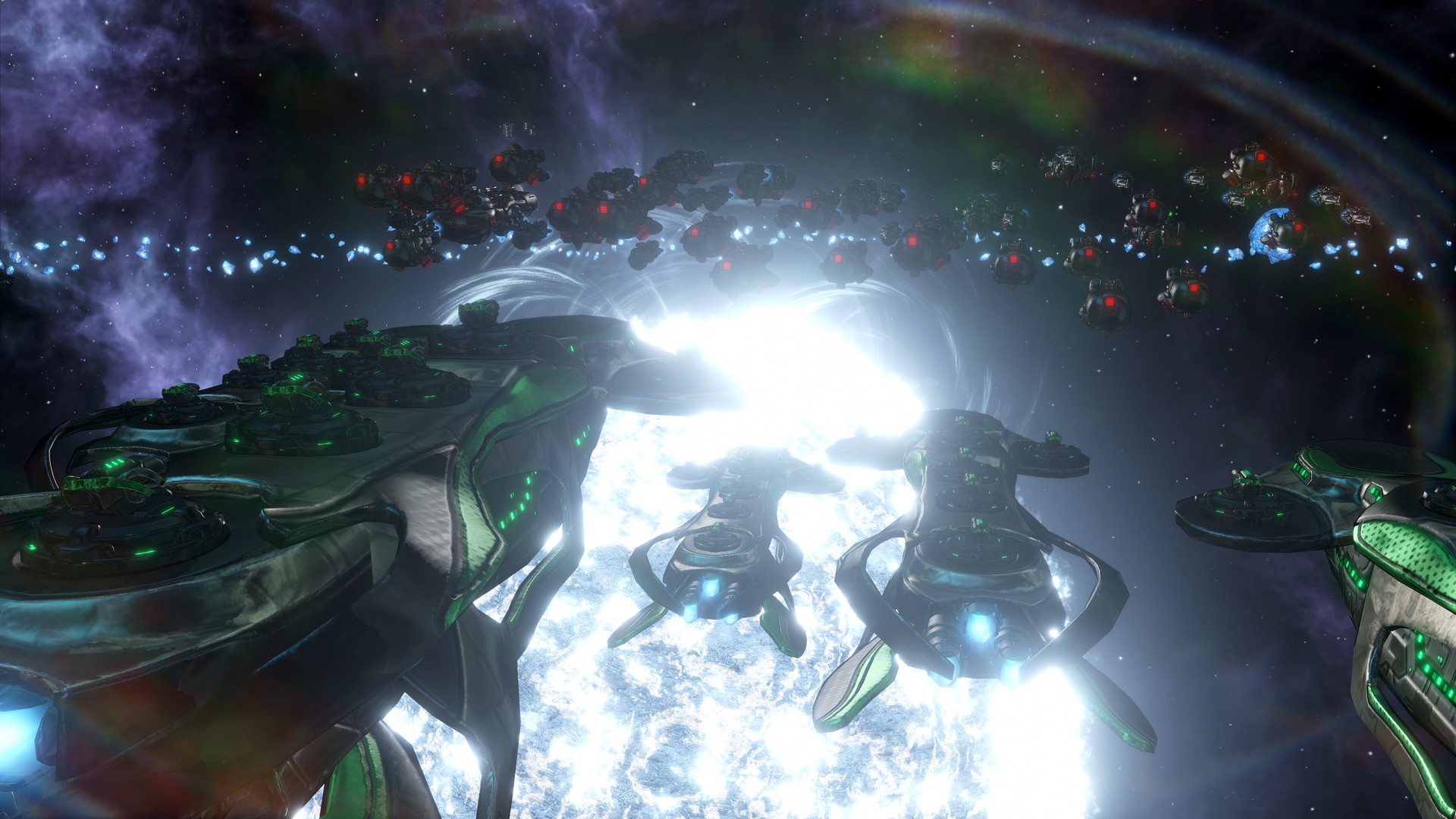
Stellaris Fleet Composition and Ship Design Guide
Master fleet composition in Stellaris: optimize ship roles, balance fleets, harness tech synergies, and reduce upkeep for powerful, efficient fleets.
Building and commanding powerful fleets in Stellaris goes well beyond just mass-producing ships and hoping for the best. Effective fleet composition and carefully customized ship designs can significantly influence the outcomes of your space battles, directly impacting your expansion efforts and galactic dominance. Understanding how different ship classes work together, how weapons and defenses combine effectively, and what balance best counters specific enemies are essential aspects that elevate good strategy into great play. While it can initially seem complicated, getting comfortable with these systems leads to rewarding tactical depth and more satisfying outcomes as your empire faces tougher opponents. Whether you're dealing with aggressive neighbors or preparing for endgame crises, smart fleet composition and thoughtful ship design decisions will greatly improve your fleet's performance and your overall experience in Stellaris.
Corvette - Agile and Affordable Frontliners
Corvettes are Stellaris’ smallest and most accessible ship type, perfect for filling out your fleet ranks quickly and cheaply. You can crank them out with very little expense and upkeep compared to larger vessels. Their small hulls and high evasion stats mean enemies struggle to hit their rapidly maneuvering frames.
Early on, corvettes make up your primary strike forces due to their affordability and ease of production. You'll want to specialize these speedy ships into different roles based on your strategy: missile-focused torpedo boats to punch through enemy armor, laser-equipped interceptors good at melting shields, or kinetic-based designs ideal for tackling enemy hull points. Because they easily dodge larger-caliber enemy weaponry, corvettes can stall incoming fire effectively, shielding bigger, sluggish ships behind them.
However, corvettes suffer from weak defenses, limited slots for shielding and armor, and modest firepower compared to bigger classes. Without proper backup, their straightforward durability and limited firepower become a real handicap in larger fleet engagements later in the game. Still, their maneuverability and affordability mean veteran admirals often use masses of corvettes tactically to overwhelm less nimble enemy fleets.
Destroyer - Balanced Damage Dealers With Solid Defense
Destroyers fill an essential middle ground, boasting both thicker defenses and greater hitting power. These mid-sized vessels serve effectively in combined fleets by countering smaller, agile enemies that bulkier cruisers or battleships struggle to target.
Armament flexibility is a major strength for destroyers. Their hulls support not only standard kinetic and energy weaponry but also specialized weapon mounts like point defense turrets. Equipping destroyers with these point-defense systems creates a critical protective shield for friendly fleets against enemy missile barrages and devastating strike-craft swarms.
While destroyers sustain more damage than corvettes, they're noticeably slower and costlier to produce. Additionally, their evasion rates significantly trail the agile corvette, making them vulnerable to attacks from larger enemy weaponry. Still, most fleets find destroyers invaluable for their adaptable weapon loadouts, reliable durability, and ability to neutralize threats that other ship classes struggle against.
Cruiser - Reliable Heavy-Hitters Built for Mid-Game and Beyond
Cruisers sit comfortably in the heavyweight category: their resilience and firepower introduce real heft into Stellaris space battles. With large energy or kinetic guns on spacious hulls, cruisers reliably pound down enemy defenses, shields, and armor alike.
One of their greatest strengths is versatility. Cruisers excellently handle multiple specialized tasks, becoming flexible fleet workhorses. Design cruiser variants as durable shield-absorbing tanks that endure heavy enemy fire, artillery platforms bristling with long-range weapons, or strike craft carriers launching fighter groups against enemy formations. Because cruisers possess ample armor and shield slots, they're typically front-and-center in prolonged conflicts, soaking up huge amounts of enemy attention that might otherwise obliterate smaller ships.
However, with power comes a drawback in terms of speed and maneuverability. Enemy small-craft or torpedo-based corvette units may highlight cruiser vulnerability: these slow, armored vessels struggle dodging quick, precision strikes. Cruisers also come at higher construction and maintenance costs, so losing many simultaneously seriously impacts your empire's resource pool.
Nevertheless, intelligent cruiser design and effective support from smaller escort vessels like destroyers solidifies them as core fleet anchors throughout much of Stellaris' mid to late game.
Battleship - Top-Tier Firepower at Maximum Range
Toward the later game stages, battleships take the spotlight as your fleet's premier heavy hitters. Their lengthy construction time and substantial cost pay off considerably. Thick layers of armor, extensive shielding, and devastatingly powerful weaponry cement their role as your primary capital killers--able to crush enemy ships from afar while comfortably shrugging off incoming fire.
Their advanced hulls accommodate exclusive, specialized weapons system mounts unavailable to smaller vessels. Battleships often include colossal weapon batteries capable of firing precisely from very long range, artillery cannons, gigantic kinetic weapons, or cutting lasers that effortlessly tear through enemy hulls and defenses. Some battleships even dedicate hangar bays entirely to carrier missions--unleashing swarms of fighters to cripple enemy shields and intercept incoming enemy strike craft or missiles.
But don't assume your battleships are invincible juggernauts immune from harm. Fleets heavily relying only on battleships can become vulnerable to quick, torpedo-equipped enemy corvettes or strike craft squadrons, especially without smaller support ships providing point-defense cover. Due to extremely limited evasion capabilities, battleships need coordinated escort support to survive targeted attacks from smaller, swifter craft.
Used smartly alongside support vessels and smaller specialized escorts, battleships often dominate battlefields during Stellaris’ tough late-game crises and hostile invasions. Careful fleet planning includes shielding battleships with destroyers and smaller escort groups to neutralize threats from enemy missiles and fighter groups.
Titan - Empire's Flagship of War and Fleet Command
Titans represent the pinnacle of galactic intimidation: massive ships capable of turning fleet battles decisively in your favor. Their colossal weapon arrays and legendary hulls make them strong force multipliers as fleet centerpieces, but producing just one titan requires a major investment in resources, technology, and a specialized shipyard built exclusively to construct them.
A titan’s signature weapon is devastating, able to annihilate enemy capital ships from extreme ranges or immediately cripple enemy battleships and armored suitors. Its devastating firepower, notably the titan “perdition beam,” provides unmatched ship-to-ship damage potential conveniently centralized in a single war machine.
Another essential bonus that titans provide: aura-based fleet buffs. Equipped with beneficial fleet auras, titans passively improve friendly ship statistics, such as increased damage output or improved ship evasion. Moreover, titan intimidation auras actively weaken enemies, reducing enemy fire rates or evasion percentages during engagements. Used wisely, titans tip victory odds in your favor even against larger hostile fleets.
Yet these massive starships have vulnerabilities similar to battleships. Titans possess minimal evasion capabilities; without smaller defensive support vessels on escort duty, courageous enemy corvettes or disruptive strike craft may overwhelm the titan over time. Protect titans carefully, positioning smaller dedicated defensive escorts around them to defend against smaller, faster enemies.
Colossus & Juggernaut - Specialized Mega-Vessels for Galactic Power Projection
Late-game ship classes like Colossi and Juggernauts enhance empire-level capabilities but differ vastly from traditional combat ships. Instead, they're strategic vessels projecting imperial influence and domination.
The Colossus isn’t built for battles against individual vessels: it's specifically designed to enact planet-wide destruction or domination. Equipped with unique planet-killer super-weapons, colossi can instantly shatter enemy worlds outright or forcefully alter planetary conditions in drastic, empire-changing ways. Constructing and deploying a colossus demands significant resources, technology, and preparation but fundamentally shifts conflicts’ outcomes.
Juggernauts, on the other hand, function as massive, mobile starbase equivalents, providing forward repair and resupply services to allied vessels far from friendly territory. They serve as strategically vital mobile command centers, enabling empires to extend the reach of fleets deep into enemy territory without losing ship efficiency.
Despite unmatched strategic potential, neither Colossus nor Juggernaut boast combat strengths comparable to battleships or Titans and require escort defensive fleets when traveling or carrying out their missions.
Understanding each Stellaris ship type's distinct characteristics, strengths, and vulnerabilities gives you significant advantages when choosing fleet compositions. Adjusting your fleets for specific battles, opponents, and challenges will help achieve victories galactic-wide, and make commanding a fleet more creatively satisfying and strategically rewarding.
Corvette - Swift Hit-and-Run Specialists
Corvettes aren't massive, armored monsters like battleships--but don't underestimate their crucial role. As the smallest and fastest ships available in your fleet, these inexpensive vessels serve effectively in early-game engagements and remain useful as late-game harassment units. Their agility and speed allow corvettes to slip through enemy fire, dodge heavy weapons, and focus their assault on high-value targets.
Proper corvette roles include:
- Interceptor Role: Equipped with lightweight kinetic and energy weapons, interceptor corvettes rapidly close in on vulnerable enemy artillery ships--such as battleships and Titans--before they have a chance to fire off deadly long-range shots.
- Torpedo Corvette: Specialized torpedo models pack heavy punch modules, like neutron or proton torpedoes. Though slower firing, their torps ignore shields entirely, making them lethal when mixed into groups. These can quickly shred enemy shields and cripple armored vessels.
- Missile Corvette: Filling ships with mid-range missile launchers, missile-specialized corvettes can constantly bombard enemy fleets from a safe distance, pressuring enemy defenses while remaining evasive.
When employing corvettes, don't hesitate to utilize them in large numbers. Mass-produced corvette swarms overwhelm enemy tracking and shield recharge capabilities, particularly in situations involving slow-firing enemy ships that struggle to target multiple small, maneuverable ships simultaneously.
Despite advantages, corvettes fall victim easily to enemy point-defense systems and advanced strike craft. Treat these ships as expendable yet essential firepower--coordinating them with strong destroyer-backed point defense or larger capital vessels ensures maximum battlefield success.
Destroyers - Flexible Escort and Point Defense Specialists
Think of destroyers as your fleet's protective screen, intercepting threats too agile or numerous for large vessels to handle effectively. These versatile ships excel as escorts by fending off enemy fighters, missiles, and corvette swarms that threaten vulnerable cruisers and battleships. Their medium-sized hulls provide sufficient armament, armor, and moderate evasion capability--allowing them versatile placement within multiple ship formations.
Destroyers broadly fill two important roles:
- Pickett (Point Defense) Role: Armed specifically with point-defense lasers and flak cannons, picket destroyers shoot down swarming enemy strike craft, torpedoes, and missiles. Always position several picket destroyers close to battleships and Titans, ensuring those larger fleet members stay protected from incoming enemy projectiles.
- Artillery/Escort Role: Destroyers designed as artillery variants possess longer-ranged kinetic or energy weaponry to shore up fire-support at medium distances. Escort destroyers focus on disrupting enemy corvette groups, intercepting hostile torpedo attacks against vulnerable capital ships within your fleet.
Destroyers are not stand-alone powerhouses. They quickly succumb to enemy concentrations of heavy capital-ship fire or overwhelming fighter formations if positioned incorrectly or left unsupported. Balance their positioning carefully within your fleet between smaller corvette attack groups and larger capital vessels, creating layers of protection that protect your more expensive, high-value ships.
Cruisers - Multi-Role Platform for Battleship Support
Cruisers hold an important mid-ground between speed and firepower. Though slower and more expensive than destroyers, they possess better shielding, armor, and significant weapons options unavailable to smaller ships. Cruisers excel when filling dedicated roles within your larger fleet strategy, particularly in supporting positions alongside battleships or Titans.
Cruiser roles typically include:
- Line Cruiser (Mixed Arsenal): Equipped with balanced combinations of kinetic artillery, energy emitters, and missiles, these flexible midline ships can confront most target types effectively--particularly when stationed alongside battleships. Line cruisers focus their firepower to weaken enemy shields or strip armor before heavier capital ships deliver finishing blows.
- Carrier Cruiser (Strike Craft Deployment): Specialized hangar-equipped cruisers launch fighter and bomber craft in direct support of battleships or destroyers. These strike craft assist by disrupting hostile ships' evasion and intercepting enemy fighters or corvette groups harassing larger fleet members.
- Heavy Armor Support Cruiser: Heavily-armored cruisers equipped with regenerative armor modules and hull-hardening technologies function as tanks among medium vessels, drawing enemy attention while your battleships and destroyers wreak havoc.
That said, cruisers alone can't sustain excessive damage or withstand focused enemy fire over time. Actively protect cruisers with smaller escorts, positioning destroyers nearby to intercept enemy missiles, strike craft, or torpedo-equipped corvettes.
Designing Your Ships for Optimized Roles
Understanding each ship type's specialized role is crucial--but effective fleet compositions require smart ship configuration and module selection. Make practical choices when you outfit these vessels based on their intended battlefield tasks. Here are some general guidelines:
- Weapon Selection: Short-range loadouts (lasers, plasma) suit interceptors or tank vessels that expect close combat situations. Moderate-range artillery weapons (kinetics, cannons) fit midline cruisers and destroyers, keeping threats at optimal ranges. Long-distance weaponry (artillery, missile suites, or strike craft) belong best on backline artillery ships like battleships or carrier cruisers.
- Defense Balancing: Corvettes favor evasion boosters over heavy armor or excessive shielding due to increased defensive effectiveness from agility. Conversely, battleships and Titans require substantial armor plating and heavy shielding--light evasion modules provide minimal benefit.
- Core Systems (Computers and Roles): Combat computer choices directly define vessel behavior--interceptors want “Swarm” or “Picket” roles emphasizing close-range attacks and agile positioning, while artillery cruisers and battleships deploy “Artillery” or “Carrier” computers for disciplined long-distance strikes and positioning behind allied combatants.
Tailoring ship configurations according to these general role principles significantly boosts combat performance across all encounters in Stellaris. As threats and engagement conditions evolve throughout the game stages, continually revisit each ship type configuration, keeping up with enemy tech advancements and new challenges arising during playthroughs.
Wrapping Up Ship Role Optimization
Success in Stellaris isn't the result of randomly building fleets with your strongest technologies. Instead, mastering fleet compositions means understanding each ship type's intended use, crafting purposeful and balanced strategies around optimized builds. Whether early-game corvette swarms zipping into enemy formations or late-game battleships and Titans delivering their devastating firepower, combining vessels smartly in clearly defined combat roles defines your success against rival empires, crisis events, and hostile galactic powers far beyond just technological superiority.
With deliberate choices and careful balancing of ship roles, your Stellaris fleets won't just survive the vast dangers of galaxy-scale warfare--they'll thrive.
Why a Balanced Fleet Matters
Look, Stellaris isn't just about who has bigger guns or more advanced lasers--as tempting as it is to always prioritize battleships and Titans. Steamrolling enemy fleets purely through overwhelming firepower can work for a bit, but eventually smarter opponents and new threats like end-game crisis events mean you'll need an actual strategy. That's where balanced fleets come into play.
Balanced fleet tactics place corvettes, destroyers, cruisers, and heavy hitters like battleships into clear, complementary roles. It's about creating formations that react effectively in combat, offsetting the weaknesses in larger vessels by using smaller ones strategically. So let's break down exactly how you build and maintain one of these well-rounded fleets.
Layering Your Fleet Composition: Roles and Formations
If you simply throw ships together without purpose, enemies pick mistakes apart--quickly. A properly balanced fleet uses several layers, each playing specific roles, giving you the flexibility to handle different enemies without suffering needless losses.
Frontline Screen: Agile Corvettes and Escort Destroyers
Your quickest, smallest ships--mostly corvettes, perhaps outfitted with evasion-focused builds--form the frontline screen. This agile group has two vital responsibilities:
- Intercept Enemy Fire: Enemy corvettes and missile volleys can devastate slower, heavy ships. Your corvette screen distracts enemies and dodges attacks, trading speed and evasion for survivability.
- Harass and Disrupt Enemy Tactics: Corvettes quickly neutralize torpedo-equipped enemy formations, missile-filled destroyers, or carriers before they devastate your heavier capital ships further back.
Escort role destroyers join these nimble corvettes to augment their protection. Equipped specifically to neutralize incoming missiles, rockets, or enemy fighters, these destroyers shield cruisers, battleships, and Titans further in your formation.
Midline Firepower: Versatile Destroyers and Multi-Role Cruisers
Just behind your frontline, put ships with medium-range responsibilities, especially destroyers and versatile cruisers. These vessels become your essential workhorses mid-battle--they've got enough firepower to damage enemies heavily but also have defensive strength to withstand limited enemy retaliation.
- Artillery Destroyers: Using kinetic batteries or energy turrets, artillery destroyers smash shields or strip armor, softening up more formidable foes for your fleet's heavy hitters.
- Flexible or Carrier Cruisers: These cruisers have multiple capabilities for sustained combat. Line cruisers, especially, deploy a mix of weapons to cope with different enemy defenses (shields, armor, hull). Carrier cruisers launch fighters or bombers to protect capital ships, reducing enemy evasion and disrupting attacks before they're made--or helping clear pesky small ships threatening stronger vessels.
Backline Powerhouses: Battleships and Titans
At the very heart of every balanced fleet sit capital ships: battleships and massive Titans. Stationed in the rear lines, they provide the primary killing power. Equipped for long-range fire, these ships rely heavily on your frontline screens protecting them.
- Long-range Bombardment Battleships: These artillery behemoths soften enemy fleets from a distance, dismantling enemy armor, breaking shields, and damaging capital ships before the adversary ever gets near.
- Strategic Carrier Battleships and Titans: Carry strike craft to intercept enemy corvette attacks or disrupt enemy formations approaching your artillery ships. Titans also bring specialized weapons, often devastating mid-battle or creating situational advantages that turn a tough encounter into pure victory.
Be careful--you've invested heavily in these expensive ships. Leaving capital vessels exposed costs you dearly, so your lighter frontline screens matter hugely in keeping battleships and Titans safe.
Adjusting Strategy for Crisis Foes
Balanced fleet planning pays off more significantly the later your game progresses--in particular, during galactic crisis scenarios. Awakened Empires, crisis invaders, or end-game threats (Contingency, Scourge, Unbidden) each have distinct strengths. A properly balanced fleet has the flexibility to answer each scenario's challenges, rather than relying only on brute force.
- Against Scourge Invasions: Employ destroyers and cruisers specialized in anti-strike-craft roles. You need solid missile-defense screens plus corvettes with rapid-fire energy weapons to deal quickly with fast-moving scourge swarms.
- Contingency Threat: Balance battleships packing energy weapons effective against their armor-heavy fleets plus fast destroyers and corvettes capable of intercepting their missile projectiles.
- Unbidden Crisis Vessels: Equip heavy artillery battleships designed to effectively strip shields at distance while using carriers and cruisers to neutralize smaller Unbidden craft.
Your balanced fleet provides flexibility for each end-game threat, making Stellaris' challenging late-game moments more manageable.
Keeping Your Fleet Up-To-Date and Relevant
Building a balanced fleet requires regular maintenance. As opponents evolve through the tech tree, ships you'll need change dramatically. Don't let your balanced fleet slip into obsolescence.
- Research Regularly: Fleet evaluations happen often--every time you unlock new engines, better armor plating, superior shields, or higher-level weapons. The moment your battleships can outfit higher-speed thrusters or anti-missile systems, make updates immediately.
- Retire or Upgrade Old Ships: No longer effective vessels harm your overall combat strength. Scrap outdated corvettes, destroyers, or cruisers, replacing or upgrading to maintain competitive viability.
- Monitor Enemy Choices: Pay attention to opponent fleets you encounter frequently. Are their ships shield-heavy? Armor-focused? Adjust your compositions accordingly, keeping your fleet composition adaptable.
Proper maintenance ensures balanced fleets remain continually effective, changing alongside your galaxy's rapidly shifting alliances, threats, and strategic scenarios.
Making Balance Your Strategy
In Stellaris, balanced fleet design isn't an optional luxury--it's necessary strategic planning. Making intentional decisions about roles and layers within your fleets determines long-term success--not technology alone.
While specialized builds excel at specific tasks, balanced fleets consistently handle the huge diversity of mid- and late-game challenges you'll face. Effective strategy rewards players willing to invest careful thought and effort--step away from the simplistic heavy-ship impulse and embrace a versatile approach instead.
In short, an intentionally balanced Stellaris fleet setup lets you win smarter.
Technological Synergies: Maximizing Fleet Efficiency through Tech Choices
Stellaris offers you dozens of tech paths to travel down, each unlocking new gear, weapons, armor types, and engine enhancements. But tech alone won't win you battles; what truly sets you apart is how smartly you combine different technologies. We call that "technological synergy," and it's about making complementary choices rather than randomly slapping upgraded gear onto your ships. With careful planning, your fleet becomes much stronger than the sum of its parts.
Weapon Synergies: Matching your Guns to Enemy Defenses
Every weapon type in Stellaris has strengths and weaknesses against armor, shields, or hull integrity. Matching these weapons strategically makes all the difference.
-
Kinetic & Energy Combinations: Kinetic weapons thrive in knocking out enemy shields. They're fast, effective, and energy-efficient at draining shields on enemy ships, but less handy once the shields drop. On the flip side, energy weapons--especially lasers and plasma cannons--excel at stripping away armor and tearing hulls apart, but struggle against well-supported shields. Use these two tech branches together to chip enemy shields down quickly (kinetics) then rapidly shred armor and hull (energy). Artillery battleships and cruiser-destroyer groups serve best here: combine kinetic batteries alongside plasma or laser turrets for maximum versatility.
-
Strike Craft and Carrier Tech: Although carriers seem a bit niche, strike craft make superb support against nimble enemy corvettes or even mid-sized cruisers. Advanced hangar tech provides faster, deadlier fighters to hunt down smaller, speedy enemy ships attempting to flank or disrupt your artillery ships. Pair carrier tech with the targeting-enhancement computer onboard capital vessels to make your bombers more accurate, slicing through enemy evasion scores and upping your total damage output in extended fights.
by coordinating your tech investments around noticeable enemy patterns--shield-heavy enemy fleets, swarming corvettes, armor-reliant battleships--you can match weapons that complement each other, maximizing damage through combined firepower.
Defensive Synergies: Shields, Armor, and Hull Points
Just like offensive weapons, defensive technology must also complement each other for maximum fleet survival in harsh conflicts. Let's simplify the three defensive approaches in Stellaris:
- Shields recharge during battle but collapse under sustained kinetic weapon fire.
- Armor absorbs huge bursts of damage especially against energy weapons, but gets worn down as battle continues.
- Hull points--your ship's primary hitpoints--serve as a direct buffer absorbing whatever breaks past shields and armor.
Why does this matter? Because tech upgrades should benefit all three defensive categories. By combining these defenses, your fleet survival time drastically increases and repairs afterward cost less.
For frontline screening destroyers and corvettes, lean significantly into quick-regenerating shields to soak rapid-fire kinetic hits alongside durable armor for handling intensive energy weapon barrages up close. On your heavier cruisers or battleships, adopt armor plating boosted by hardened alloys and reinforced hull technologies rather than purely shields, as they'll generally be exposed less frequently to rapid-fire kinetics given their rear-line positioning.
Don't overlook hull repair modules that passively fix damaged hull integrity during or after battle. This tech, although innocuous, saves considerable alloys in ship replacement or repairs over the long term, freeing resources for additional fleet expansion.
Utility Synergies: Speed, Evasion, and Targeting Tech
Beyond weapon and defense technologies, tech choices also provide improvements in ship performance and utility. Engines, computers, and sensors aren't flashy--but they can swing battles heavily your way.
-
Engine & Evasion Upgrades: Lightweight corvettes and destroyers benefit tremendously when equipped with superior thrusters and evasion-boosting tech. Speedier corvettes and destroyers gain advantage by dodging enemy fire, especially large, slow-moving weapons like artillery lasers. The higher your evasion tech gets, the longer your lighter frontline survives in battle, directly impacting battleship safety by maintaining protective screen availability.
-
Computer Technology Choices: Stellaris vessel computers shape ship behavior in combat: pick Artillery computers for long-range accuracy or Picket ships to intercept enemy strike craft better. Pair artillery computers with battleships and cruiser carriers, raising long-range weapon accuracy and strike-craft targeting precision. For mid and frontline corvettes and destroyers, consider picket or swarm computers designed for improved short-range tracking or evasion, turning fleet positions into precision roles rather than random assignments.
-
Sensor and Detection Tech: Don't underestimate upgraded sensors on ship accuracy and fleet effectiveness. Better sensors improve ship targeting significantly, lowering enemy evasion bonuses, while also granting strategic intel about distant enemy fleet compositions. Knowing your opponents matters just as much as fighting them, making advanced sensors a critical "hidden" upgrade benefiting all fleet layers.
Putting Synergy into Practice: An Example Fleet Scenario
Imagine you're going against a rival empire loaded heavily on shields and nimble corvettes. Technological synergy in your fleet could look like this combined arrangement:
-
Frontline destroyers and corvettes: Outfit these smaller ships with high-tier engines, boosted shields, and armor improvements to absorb enemy fire better while staying agile. Employ kinetic autocannons and point-defense weapons to rapidly chew through enemy corvette shields and eliminate their agility and numerical advantage.
-
Midline cruisers and carriers: Layer kinetic artillery and plasma weapons to follow-up frontline engagements: kinetic guns further deplete enemy shields first softened by corvettes, while plasma shards rip remaining armor rapidly. Add hangar carrier cruisers deploying strike craft squads specifically optimized to intercept enemy ships weakened or attempting flank moves.
-
Backline Battleships and Titans: Battleships feature artillery kinetic mounts mixed with long-range anti-armor energy weaponry. Titans complement battleships, equipped independent heavy firepower supplemented with tracking-improvement computers and offensive auras, improving fleet-wide accuracy. With these tech synergies, you're systematically dismantling shields, destroying small foes quickly, and efficiently wearing enemies down before they press too far forward.
Synergy Changes the Game
Stellaris provides plenty of technological pathways promising incremental upgrade benefits--but real advantages appear when you plan dedicated weapon-defense-engine-utility combos. Mindfully pairing technologies allows fleet strengths to multiply exponentially rather than simply adding minor bonuses.
Each carefully orchestrated tech investment strengthens another, reducing combat losses, saving resources, and improving peace-of-mind during your galactic conquest.
Managing Fleet Upkeep: Economy Matters in Long-Term Wars
You've built an impressive fleet, hand-picked the most advanced tech, and turned your ships into efficient killing machines. But now your economy's bleeding energy credits, alloys, and strategic resources every month just to sustain combat readiness. When the fleet balloons too quickly without cost management, you'll find yourself flat broke--unable to expand, upgrade ships, or defend your territory effectively. To avoid bankruptcy headaches mid-war, here's what you should know about keeping fleet upkeep manageable.
Fleet Size: Finding Your Naval Capacity Sweet Spot
In Stellaris, each ship you commission chips away from your Naval Capacity--and exceeding this capacity quickly multiplies fleet maintenance costs. But bigger capacity isn't always about building more Anchorage starbases. Here are quick tips to get your capacity balanced and sustainable without wrecking your economic budget:
- Starbase Anchorages: Build dedicated starbases with multiple anchorage modules, adding substantial increases to your empire's naval capacity. Anchorages, along with the Naval Logistics Office, provide a passive naval cap boost without eating into planet jobs or building slots.
- Naval Doctrine Policies: Check your naval doctrine. Policies like "Fleet Supremacy" significantly raise naval cap, ideal for aggressive players. However, policies have trade-offs--energy costs or other sacrifices--so select carefully.
- Soldier and Warrior Jobs: Pops working soldier jobs generate free naval capacity, and certain ethics or civics (like Citizen Service civic or Militarist ethics) boost these numbers. Balance your worlds to host soldiers without overwhelming your economy elsewhere.
- Technological and Ascension Perks: Research technologies often provide naval capacity boosts. Moreover, Ascension Perks like Galactic Force Projection grant immediate, empire-wide naval capacity bonuses. Both these avenues free you from using precious starbase or planetary resources on naval growth.
The goal isn't solely about raising capacity numbers. Matching fleet size and naval capacity keeps your monthly upkeep affordable, ensuring your economy easily handles your military's operational demand.
Efficiency in Ship Designs Reduces Upkeep
Smartly designed ships minimize upkeep costs without sacrificing effectiveness. Each module affects ongoing fleet costs, playing directly into your monthly bill.
- Resource Conscious Ship Builds: Fancy components aren't always cost-effective. Strategic resources like rare crystals, exotic gases, or volatile motes used in advanced weapons and shields increase upkeep dramatically. Consider if lower-tier parts with fewer resource requirements still perform adequately.
- Balanced Weapon Choices: Balance kinetic, energy, and missile weaponry according to enemy defenses rather than loading every advanced tech into each fleet. Overkill and redundancy equal wasted resources. Specialized task forces--rather than universal ships--help regulate economy and efficiency.
- Don't Spam Titans or Juggernauts: Titans and Juggernauts are impressive, but costly in upkeep and naval capacity. As powerful as they are, a handful can effectively swing battles without draining your economy. Spamming these late-game units is tempting--but entirely unsustainable for sustained warfare.
Station Your Fleets Strategically
Idle fleets parked away from strategic positions cost energy credits unnecessarily. Consider these cost-cutting positioning strategies:
- Dock Fleets at Starbases: When not actively at war, park fleets inside upgraded starbases (anchorage or trade hubs). Docked ships immediately lower maintenance costs significantly, freeing up valuable energy credits. Plan patrols so idle-time always involves station docking.
- Avoid Massive Stack Fleets: Mega-fleets might overwhelm opponents but drain enormous upkeep. Splitting fleets into smaller, specialized task forces reduces energy upkeep due to station docking bonuses. Smaller fleets remain easier to manage economically during peacetime and wartime.
Edicts, Leaders, and Government Design Choices
Less obvious choices influence fleet upkeep almost as much as pure ship designs and placements:
- Edicts and Empire-Wide Upgrades: "Capacity Subsidies" edict reduces ship upkeep costs empire-wide at the cost of influence, immensely beneficial before large-scale fleet movements or war declarations.
- Governor and Admiral Traits: Admirals with the "Logistician" trait significantly cut fleet maintenance costs. Additionally, governors assigned to starbase-heavy sectors with traits like "Retired Fleet Officer" boost station naval capacity or reduce upkeep expenses.
- Civics and Ethics: Militarist empires easily stack naval capacity bonuses and upkeep discount policies, lowering your fleet’s long-term expenses. Civics like ‘Distinguished Admiralty’ give admiral-based bonuses, reducing the systemic energy and alloy drain from deployments.
Scrap or Upgrade Outdated Fleets
Stellaris wars often render your older ship models obsolete. Upgrading costs alloys upfront, true--but long-term, modernizing ships can slash your upkeep bill significantly. Old ships with outdated tech drain resources while adding minimal value during battles. Regularly reassess fleets for modules draining upkeep--if replaced intelligently, upgraded fleets deliver combat victories AND economic efficiency simultaneously.
And if a class of ships becomes entirely obsolete? Scrapping them promptly provides partial refunds in alloys and reduces your maintenance cost burden immediately. Economically wise fleet management lies in balancing upgraded value against draining older fleet elements.
Fleet Upkeep Management Makes or Breaks Empires
In Stellaris, flashy weapons and massive fleets aren't always victories in disguise. Ignoring long-term fleet upkeep costs can cause economic disaster, restricting your growth and leaving you defenseless over time. Smart ship design decisions, naval capacity balancing, intelligent fleet placement, and fleet economy management separate thriving empires from collapsing ones--making the difference between lasting power and fleeting ambition in your galaxy conquest campaigns.