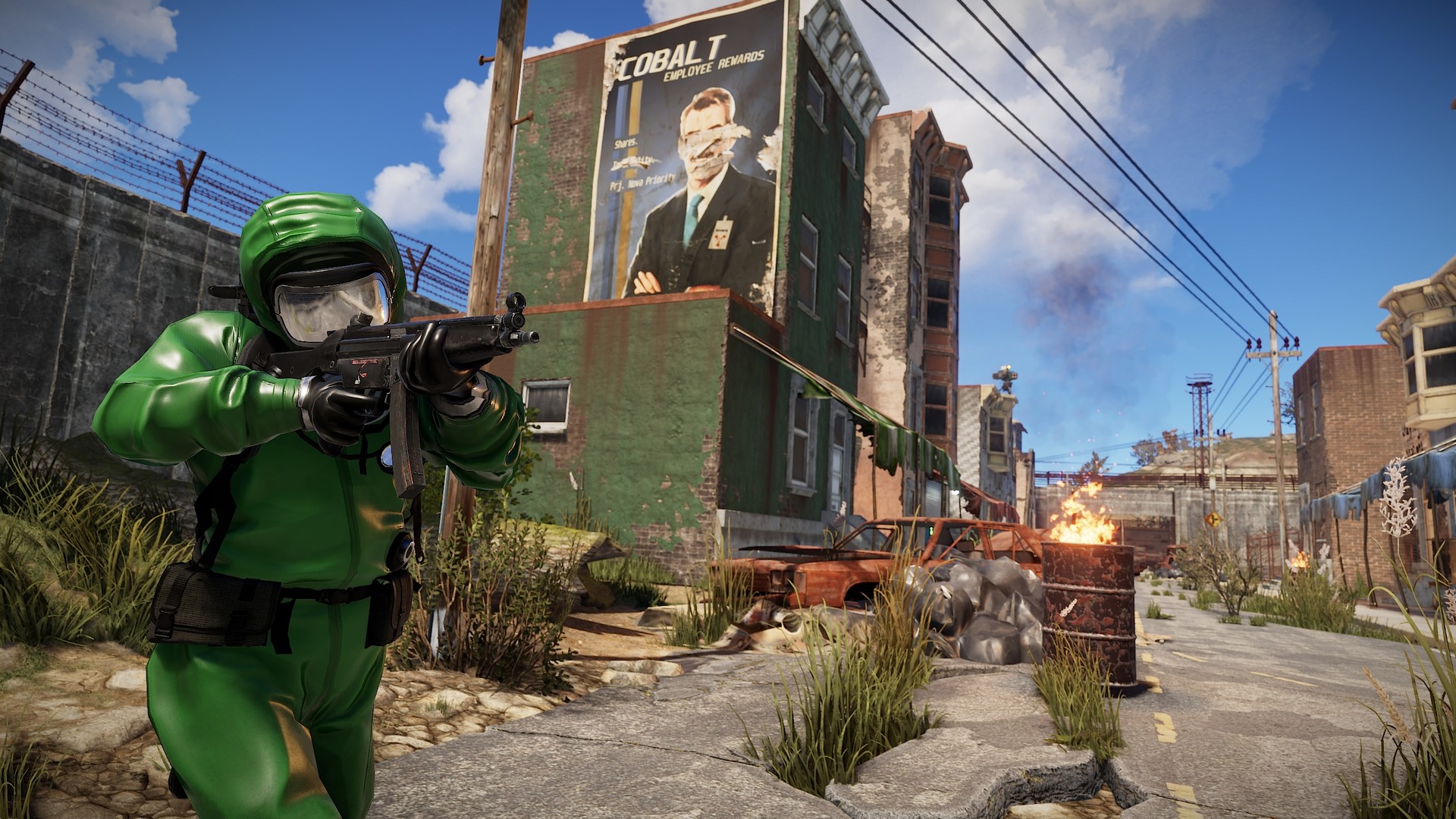
Rust Solo Survival Guide
Master solo survival in Rust with tips on smart base locations, efficient resource gathering, compact designs, gear protection, and surviving raids.
Welcome to the "Rust Solo Survival Guide" - your ultimate resource for thriving solo in the unforgiving world of Rust! Whether you're a seasoned survivor or a newcomer dodging bullets, this guide is packed with essential tips to elevate your gameplay. Discover the art of Choosing Smart Base Locations to avoid enemy eyes, master Efficient Solo Resource Gathering, and design Compact Bases that maximize space and security. Learn the best strategies for Protecting Gear and Resources from lurking rivals and navigate the chaos of Raids and Policies like a pro. Ready to become the ultimate lone wolf survivor? Dive into the guide and conquer Rust solo!
Understanding Your Environment
In Rust, the environment you pick for your base forms the first line of defense against both the elements and other players. It’s important to take a good look around before deciding on a spot. You'll want to weigh the pros and cons of each potential location, considering factors such as resources, visibility, and proximity to high-traffic areas.
Proximity to Resources
Before setting up camp, think about your resource needs. You'll need to be close to trees and rocks for initial tools and shelter, but don’t ignore the importance of food and water sources, either. Being near diverse biomes can be advantageous, as it offers easy access to a variety of resources, ensuring you have what you need without long trips.
Traffic Levels
Areas that see frequent foot traffic might seem appealing because of the loot potential--but think twice. High-traffic areas often bring more player encounters, which can lead to more conflicts. Consider setting up a little off the beaten path; just close enough for convenience, but far enough to avoid constant attacks. Remember, the further away from the roads and monuments, the less likely you'll be stumbled upon.
Strategic Elevation
Elevation matters when picking your base location. High-ground positions give you a better vantage point to spot incoming threats. However, building on a mountain or hilltop can make you more visible. Consider creating your base halfway up to strike a balance between visibility and defensibility.
Hide Among the Environment
Camouflage can be your best friend. Use natural formations like rocks and dense forests to obscure your base. These features provide natural cover and make it harder for other players to spot your base unless they are looking closely. Pay attention to your base's color scheme as well, and try to mimic the surrounding landscape.
Consider Safe Zones
While it might feel safer to be near safe zones--like Outpost or Bandit Camp--be cautious. These areas can be bustling with activity, which can lead to trouble if you’re not careful. If you want quick access to these zones for trading and refuge, try building a little further out to avoid potential raids.
Monitor Surrounding Activity
Keeping an eye on your surroundings is vital. Spend some time watching how the area functions before settling down. Identify who the predominant players are, watch their movements, and adapt accordingly. It’s also helpful to build relationships with nearby players, if possible, to create informal alliances and avoid unnecessary conflicts.
Weather Conditions
Lastly, don’t forget the climate of your locale. Deserts, snow, and temperate areas each come with their own set of challenges. Deserts might seem appealing due to their vast open spaces, but they have fewer resources and harsher weather. Snow biomes can be good for defense due to their low population density, but food and warmth become significant challenges. Temperate biomes offer a balanced environment but tend to be more populated.
Conclusion
Selecting a base location is about balancing risk and reward. Ideally, you want to settle somewhere that minimizes unwanted attention while maximizing resource efficiency. By carefully considering your environment, proximity to resources, and activity levels, you'll pave the way for a more successful and sustainable survival experience in Rust. When you're out on your own in the world of Rust, gathering resources efficiently is essential for survival. Being solo means you don’t have the backup of a team, so staying smart and using the right strategies can make all the difference. Let’s explore some key tactics for collecting resources when you're flying solo.
Understanding Resource Types
In Rust, there are several key resources that you're going to need. These include wood, stone, metal ore, and sulfur. Each resource has its own use case, and gathering them in an efficient manner can boost your survival chances significantly. Make sure you're familiar with which tools are best for collecting each type, as using the right tool enhances the amount you collect.
Wood
Wood is one of the foundation materials in Rust. Use a hatchet or chainsaw to collect wood from trees quickly. Trees are usually more abundant near forests, so stick to these areas for faster collection. Having a stash point nearby can save time. Always keep an eye on your surroundings, as being in a forest makes you more likely to be spotted by other players.
Stone and Ore
Cover rocks and other stone nodes hold stone, metal ore, and sulfur. A pickaxe or jackhammer can maximize your gathering rate from these nodes. Prioritize metal ore and sulfur if you are gearing up for combat or crafting advanced tools and weapons. Head to mountainous or rocky areas since these are prime spots for finding nodes.
Maximizing Efficiency
Tool Upgrades
Upgrading your tools early in the game can drastically improve gathering rates. Prioritize crafting a metal pickaxe and hatchet as soon as possible. These tools not only collect more but faster, reducing your exposure to potential threats.
Inventory Management
Efficient resource gathering also includes smart inventory management. Only carry essential tools and resources to avoid a cluttered inventory, ensuring you can carry more of what you need. Regularly drop off resources at your base to minimize losses if you encounter trouble.
Timing and Routes
Pick your gathering times wisely. Going out at quieter times--such as early in the morning or late at night--reduces the risk of confrontation. Develop a resource-gathering route that includes stashes and is close to safe zones or your base. Consistent routes help memorize node locations and establish a rhythm, speeding up your resources accumulation.
Staying Safe While Gathering
Stay Alert
Always keep your head on a swivel. Listening for footsteps or any sound that might indicate another player’s presence can be the difference between a successful run and losing all your gathered goods. Use the environment to your advantage, utilizing hills or other cover to hide if necessary.
Defensive Techniques
While traveling alone, it's crucial to employ stealth. Crouch to lessen noise, and use natural obstacles like terrain and vegetation to remain unseen. If you sense danger, don’t hesitate to retreat and return another time.
Paranoia Pays Off
It might seem exhausting, but slight paranoia can be protective. Changing your patterns and not sticking to predictable routes deters potential ambushers. Practice being stealthy and evasive rather than confrontational.
In conclusion, effective solo resource gathering in Rust involves a combination of the right tools, smart planning, and safety measures. Studying your environment and thinking a few steps ahead will provide the edge you need to survive and thrive as a solo player. Keep practicing these strategies, and your supply hoards will grow impressively in no time. When it comes to surviving in Rust, having a secure base is paramount, especially when playing solo. Compact base designs can provide the safety you need while ensuring efficient use of limited resources. Small structures can be tough to (and can even) discourage raiders, and this guide will walk you through ideas on how to create an effective compact base in a few straightforward steps.
The Importance of Compact Bases
Compact bases offer numerous benefits in Rust. They are:
- Resource-Efficient: Smaller bases require fewer materials to build and maintain, allowing you to allocate resources elsewhere.
- Quicker to Build: With less ground to cover, it's faster to construct and upgrade a compact base, offering speed and convenience, especially when you want to set up quickly.
- Low-Key Advantage: Smaller bases can be less noticeable to other players, reducing the likelihood of a raid.
Key Components of a Compact Base Design
When planning a compact base, there’s a few key components you'll want to think about to maximize effectiveness.
Core Structure
Start with a basic 2x1 foundation. This structure offers a good balance between size and space, allowing room for essential elements such as a sleeping bag, storage, and crafting stations. By keeping it straightforward, you don’t lose time or materials to intricate builds.
Door Protection
Use a double-door airlock system at your entrance. This involves setting up two doors with a small entry area; even if one door is breached, the second will help keep raiders out. This system is simple yet very effective at enhancing security.
Honeycomb
Adding honeycombing involves placing extra walls around your base’s inner core. While it requires more resources, it significantly strengthens your base against would-be attackers, making it harder to break through to the primary storage and living quarter.
Hidden Compartments
Incorporate hidden storage compartments within your base. Craft and place small stash boxes in discreet areas like under the floor or between walls. These can keep spare resources safe, even if the base comes under attack.
Roof Access
Make sure the roof is accessible from the inside. Having a rooftop vantage point means you can defend from above if you’re under attack. It also allows more expansion opportunities if you survive longer and want to increase your base's functionality.
Building Tips for Efficiency
- Gather Resources Beforehand: Collect enough resources to complete the base in one go. This minimizes exposure time and reduces the chance of being caught mid-construction by other players.
- Prioritize Essential Items: Initially, focus on acquiring a sleeping bag, small stash for items, and a furnace. Secure these elements first before working your way up to more advanced tools or defenses.
- Upgrade in Stages: Start with wood structures as they're cheap and quick to set up. Once stable, upgrade to stone, followed by metal, which offers superior protection.
Practice and Adaptation
Designing the perfect compact base in Rust requires experimentation and adaptation. Every wipe presents a new set of challenges and opportunities, so be flexible in your designs. What works on one server may need tweaking on another due to player density or terrain. Keep practicing your strategies, learn from encounters with other players, and adapt your designs to fit your playstyle.
Remember that practice makes perfect, and each game will help you refine your building skills. Whether you’re a seasoned veteran or just getting started, these compact designs will serve you well in Rust's ever-harsh environment. Good luck out there! When you're all alone in the unforgiving landscape of Rust, keeping your hard-earned gear and resources safe becomes a top priority. With raiders lurking and unexpected threats at every corner, protecting your stash is crucial. Let's break down how to keep your stuff secure without breaking a sweat.
Building a Secure Base
Your base is your fortress and should be a stronghold that isn't easily breached. Start by placing your base in a location that's a bit off the beaten path. Mountains, dense forests, or even secluded islands can be great locations. When building, focus on these key points:
Material Choices
- Wood vs. Stone vs. Metal: Start with wood as it's the easiest to gather, but upgrade to stone as quickly as possible. Stone provides much better protection against most raiding techniques. If resources allow, consider upgrading critical areas to metal for the ultimate defense.
- Upgrade Strategically: Prioritize upgrading your base’s core, including the tool cupboard (TC), storage areas, and doors, to stronger materials like stone or metal.
Base Design
- Hidden Entrances: Use twists, turns, and multiple doors to throw off potential raiders. More doors mean more resources to break through.
- Airlocks: Design airlocks at every entrance. Two doors that can’t be opened at the same time help prevent getting trapped or ambushed.
- Honeycombing: Implement honeycomb structures, a technique where extra layers of walls surround the core to deter raiders.
Locking Down Loot
Keeping your valuable items secure requires strategic placement and protection within your base.
Tool Cupboard Safety
- Access Control: Limit access to your TC, as it's the heart of your base. Place it in a fortified central location, and always keep it well-protected.
- Authorization: Each authorized person can build or demolish--you being solo means no unexpected demolitions from teammates.
Storage Organization
- Hidden Stashes: Hide small stashes away from the main loot room to reduce losses in a raid. You could use less obvious spots or deploy tricks like hiding a stash under a rock.
- Organized Chaos: Arrange layers and decoy boxes to confuse raiders about where the best loot is kept.
Defending Against Raiders
Being prepared for an attack is as important as having a fortified base.
Strategic Traps
- Placing Traps: Set up traps like land mines or shotgun traps in problem areas and likely entry points. Be sure to remember their placement to avoid stepping into your demise.
- Turrets and Cameras: If you have the resources, setting up auto-turrets and camera systems can provide early warnings and aid in protecting your base.
Observation and Patrol
- Regular Checks: Frequently patrol around your base to spot signs of any possible raider activity.
- Night Vision and Stealth: Use the cover of night to your advantage. Invest in night vision goggles for safe movement under the radar.
Resource Management
Efficient management extends beyond just safeguarding your physical possessions.
Farming Resources
- Resource Preference: Prioritize resources that are critical for defense and sustenance. Stone and metal ore are top priorities compared to wood in later stages.
- Efficient Gathering: Develop a routine to gather essential resources efficiently. Familiarize yourself with nearby nodes for consistent farming.
Backup Plans
- Duplicate Essentials: Always have spare weapons and tools in case the originals are lost or stolen during a clash or raid.
- Plan B with Mini-Stashes: Establish secondary hideouts with basic supplies, ensuring you can bounce back quickly after a loss.
Conclusion
In Rust's solo survival mode, keeping your gear and resources protected demands both strategic planning and vigilance. With a secure base, properly organized loot, and constant preparedness against potential threats, you can thrive despite the challenges. Enjoy the game, stay alert, and make those raiders work hard for what they steal--if they can get their hands on it at all! When playing Rust, surviving raids can feel like a daunting task, especially if you’re going solo. But with some clever strategies and understanding of the game's policies, you can hold your own against other players. In this guide, we'll break down some tips to help you survive those intense raid encounters.
Preparing for Raids
Preparation is the key to surviving raids. Start by fortifying your base. The stronger your base, the more difficult it becomes for others to attack.
Base Construction Tips
- Double Walls: Build double walls around your base. This adds another layer of protection that raiders must break through.
- Honeycombing: Create maze-like honeycomb structures inside your walls to confuse and deter intruders.
- Hidden Stashes: Secure your most valuable items in hidden or hard-to-access areas within your base to prevent them from being easily looted.
Resource Management
Managing your resources is equally important. Always keep stock of essential supplies such as:
- Metal Fragments and Stone: Use these primarily for reinforcing walls and doors.
- Wood: An abundance of wood is vital for crafting repairs and updates.
- Code Locks: Ensure all entry points have code locks for added security.
During a Raid
If a raid is unfolding, stay calm and execute your plan strategically.
Defensive Strategy
- Know Your Exits: Always have a few emergency exits in your base for a quick escape.
- Trap Deployment: Place traps in commonly raided areas. These can catch enemies by surprise or slow their progress.
- Weapon Ready: Keep weapons and ammunition ready by exits and strategic points for immediate defense.
Communication
Engage with other players tactically. Sometimes, negotiating can dissuade attackers or even form temporary alliances.
- Chat Wisely: Use the game's chat options to communicate with others. Stay polite to reduce hostility.
- Listen Carefully: Pay attention to sounds. Footsteps or explosions provide clues about the raid's direction and scale.
Navigating Game Policies
Understanding Rust’s game policies can give you an edge, whether protecting your base or reclaiming territory.
Familiarize with Server Rules
Pay attention to specific server rules as they vary. This knowledge prevents accidental rule-breaking that could lead to penalties.
- Read Server Sleeper Policies: Some servers have unique rules concerning offline players or base destruction.
- Clan and Player Limits: Certain servers limit the number of players in a clan. Know these regulations if you decide to join one.
Report and Respond
If you suspect foul play, know how to report it properly.
- Use Official Channels: Report abusive behavior or rule violations through the correct channels to maintain a fair gameplay environment.
- Gather Evidence: Take screenshots or video recordings if you plan to report any suspicious actions.
Understanding how to fortify your base effectively, manage resources, and use game policies to your advantage can make a significant difference in Rust. Staying informed and adaptable will enhance your solo survival journey, helping you stand strong against and within the world of Rust.