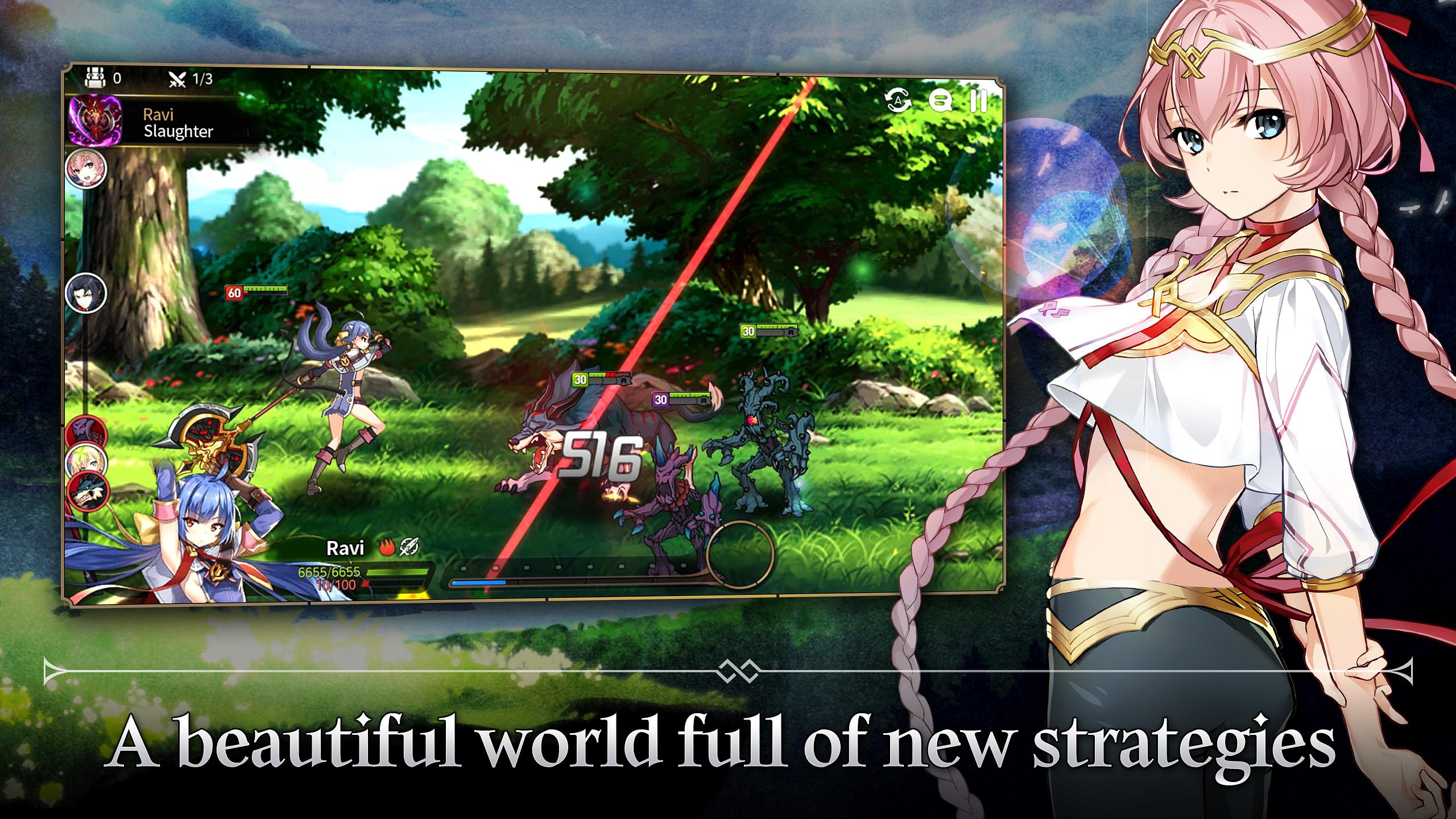
Epic Seven Gear and Enhancement Guide
Master Epic Seven gear with our guide on stats, substats, enhancements, set bonuses, and top tips for farming the best equipment.
If you’ve spent any time in Epic Seven, you already know how much gear can make or break your heroes. It’s not just about finding a high-level sword or flashy armor; sorting through stats, building sets, and knowing when to upgrade or discard pieces is practically a game in itself. Whether you’re staring at a bag full of shiny new loot from your latest Wyvern run or wondering why your Moonlight hero still can’t carry your team, understanding the nuts and bolts of gearing up is essential. The world of gear rolls, enhancement success rates, and stat priorities can get overwhelming fast, especially with all the numbers flying around. Making sense of it all is key to getting stronger and pushing further in both PvE and PvP.
Gear Stats Explained
Gear is the single biggest source of your heroes’ stats in Epic Seven. Getting gear with the right numbers—and knowing what those numbers really do—will let you crush hard content and outshine your competition in the Arena. Here’s what you need to know when you’re staring at a new speed boot or a piece of armor with way too many flat stats.
Main Stat vs. Substat
Every gear piece comes with a main stat and up to four substats. The main stat is fixed by slot and type, while substats add randomized bonuses.
- Main Stat: This is the large number in the center of the gear window. It’s your gear’s main feature. For most gear slots, you’re looking at stats like Attack %, HP %, Defense %, Effectiveness %, and Effect Resistance %. Some slots, especially Boots, Rings, and Necklaces, get extra flexibility and can roll Speed, Critical Hit Chance, or Critical Hit Damage.
- Substats: These smaller numbers fill in the rest of the slots. Each piece gets at least one substat when it drops, and up to four in the best-case scenario (Epic-tier gear). As you enhance gear at +3, +6, +9, and +12, a new substat appears or an existing one gets a boost.
Gear Slot Breakdown
Here’s how stats break down by gear slot:
| Gear Slot | Guaranteed Main Stats | Possible Main Stats (per slot) | |----------------|--------------------------|---------------------------------------------------------------| | Weapon | Attack | Fixed: Only flat Attack | | Helmet | Health | Fixed: Only flat Health | | Armor | Defense | Fixed: Only flat Defense | | Boots | Variable | HP%, DEF%, ATK%, Speed | | Necklace | Variable | Crit Chance%, Crit Damage%, ATK%, HP%, DEF%, Effectiveness%, Effect Resistance% | | Ring | Variable | ATK%, HP%, DEF%, Effectiveness%, Effect Resistance% | Substats can be any of these (except Speed, which only appears as a substat randomly), so pay attention to what shows up.
Flat vs. Percentage Stats
- Flat Stats: Just the number, like +85 Attack. Better early game, but scaling is limited by hero base stats.
- Percentage Stats: Like +40% Attack. The further you are post-Adventure, the more these matter. Percentage boosts work off a hero’s total base stats (including gear main stats and set buffs), so they’re king late-game.
Speed is unique—always a flat number, and every point counts since turn order swings fights.
The Most Important Stats
Different heroes want different things. Here’s a quick cheat sheet, but always check what your character’s kit needs (DPS, tank, support, debuffs, etc):
- Attack%/Attack: Primary for damage dealers (Warriors, Thieves, Rangers, Mages).
- HP%/Health: Key for Soul Weavers and tanks.
- Defense%/Defense: Helps bruisers and tanks go the distance.
- Speed: Useful for almost every hero, especially PvP initiators or those needing to take turns fast.
- Crit Chance%/Crit Damage%: Vital for any crit-based DPS.
- Effectiveness%: Needed for debuffers; raises the chance their skills land statuses.
- Effect Resistance%: Helps supports resist stuns, debuffs, or defense breaks.
How Substat Rolls Work
When you get a gear piece, if it has less than four substats, it gains new ones at + , +6, and +9. If it already has four, you get a random stat increased at those levels instead. At +12 and +15, one of the four substats gets a boost—pure RNG, but high rolls on the right stats make gear amazing.
Example
Let’s say you get Epic Boots with ATK% main stat and substats: Speed, Crit Chance, Health, and Defense. Each time you enhance to those thresholds, the gear randomly buffs one of those four. If Speed gets multiple rolls, you scored big; if Health or Defense, not as great for an attacker.
Desirable Rolls vs. "Trash" Stats
“Perfect gear” means the right main stat, all substats beneficial, and those substats getting high rolls in each enhancement. This is rare! Don’t settle for stats that don’t match your hero’s needs (such as Effect Resistance on a pure DPS). Flat stats are less valuable in late-game, while hybrid rolls (some good, some “dead” stats) can hold you back.
Understanding Set Bonuses
Beyond main and substats, gear belongs to different sets (e.g., Speed, Crit, Attack). If you equip enough pieces of the same set, you activate a set bonus. Stats on the gear itself matter most, but sets can edge out close decisions, like choosing between two decent boots for your Arena opener.
Final Thoughts
Sticking with gear that has the right stats, and knowing which to trash or upgrade, is a make-or-break skill in Epic Seven. Once you learn to spot a perfect Speed/Crit boot or a tanky Health chest with juicy substats, progress gets a lot smoother. Remember—sometimes holding out for better rolls pays off, but don’t be afraid to use what fits your current roster. The perfect gear is rare, but understanding stats gets you a lot closer to the best your heroes can be.
Optimizing Substats
Getting the right main stat is only half the battle—substats can make a weapon game-changing or a complete dud. Knowing how to target, reroll, and prioritize substats turns a good hero into a top-tier threat. This section breaks down what optimal substat rolls look like, how to minimize “dead stats,” and strategies for maximizing your gear investments.
Understanding Substat Priorities
What’s best isn’t always universal. Each hero wants something a little different, but there are general rules:
- Damage Dealers: Look for Crit Chance%, Crit Damage%, Attack% (or whatever stat scales their damage), and Speed. For specialty DPS, Effectiveness% can be a bonus.
- Tanks and Supports: HP%, Defense%, Effect Resistance%, and sometimes Speed for turn cycling or outspeeding threats.
- PvP Openers: Speed is king, then Crit Chance%, Attack%, and Effectiveness% for debuffers.
- Bruisers: These hybrids like a blend of HP%, Defense%, Attack%, and Speed. They benefit from rolling into multiple tanky stats plus some offensive power.
When reviewing your gear, match the substats to your hero’s needs. If a speed booster rolls flat Defense and Effect Resistance, it’s probably not worth heavy investment. If your cleaver lands a double Speed and double Crit roll, now you’re cooking.
Identifying High-Value vs. Low-Value Rolls
Each substat has a possible range. On Epic gear, a single roll generally grants:
- Speed: +2 to +4 (Sometimes +5, but that’s rare)
- Crit Chance%: +2% to +5%
- Crit Damage%: + % to +7%
- Attack%/HP%/Defense%: + % to +8%
- Flat stats: Rolls can vary but scale much less effectively in high-level content
A great piece lands at least two or more top-end rolls in the stats you care about. When reviewing enhancements, keep these benchmarks in mind:
-
- Speed on a roll? Good stuff.
- Rolling at or near max Crit Chance each time? Keeper.
- Anything below midrange repeatedly or tons of flat stats? Likely fodder unless filling a desperate need.
Upgrading and Decision Making: When to Push or Pass
Never take every piece straight to +15 unless you’ve got unlimited resources. Instead, upgrade cautiously:
- Get to +6 or +9 – See what rolls show up. If you’ve gotten at least one high roll into a desired substat, it might be worth continuing.
- Assess for “Dead” Rolls – Flat stats, or substats you don’t need, lower the piece’s value. Too many, and it’s better to use that gear temporarily while farming for something better. . Push to +12 or +15 on Great Pieces – Only take top-notch gear to max enhance. This saves gold and resources for clutch upgrades when a rare “god roll” piece lands in your lap.
Reforging and Substat Rerolling (Late-Game Tactics)
Once you reach Awakening 85 and World Difficulty, you unlock reforging. This system boosts the main stat and all subs, pushing good gear into “best in slot.” Only invest in gear with excellent substats—no amount of reforging can salvage bad stats.
The introduction of Modification Gems lets you swap out a single substat (with some restrictions). These are rare and should be reserved for a nearly perfect piece that’s only one stat away from greatness. For example, if your Speed boots have Speed, Crit Chance, HP, and flat Attack, using a gem to replace flat Attack for Crit Damage turns it into a top-tier piece.
Stat Synergy: Building Toward a Goal
Instead of just slapping on your highest stat numbers, think about set and substat synergy.
- Want to make a cleave team? Prioritize gear with double Speed and double Crit on the same boots or necklace for your opener.
- For a tanky healer meant to resist debuffs, stack Effect Resistance and HP% across subs, ignoring Crit and Attack.
- Need to reach 85% Effectiveness for an Arbiter Vildred? Look for gear with at least two rolls into that stat on your main DPS set.
Don’t get distracted by “high numbers” if they’re in unused stats. A bruiser with all Crit Damage but no Crit Chance won’t hit as hard as one with balanced subs.
Substat Optimization Summary Table
| Role | Best Substats to Seek | Avoid | |-----------------|------------------------------------------|-------------------------| | DPS | Speed, Crit Chance, Crit Damage, Attack% | Flat stats, Effect Res | | Tank | HP%, Def%, Effect Res, Speed | Crit stats | | Debuffer | Effectiveness%, Speed, HP%, Def% | Crit Damage, flat stats | | Support | Speed, Effect Res, HP%, Def% | Crit stats |
Efficient Gear Management
- Keep “placeholder” gear if you’re early on—but as your account matures, be ruthless with bad rolls.
- Lock down top roll gear immediately to avoid accidental sell-offs.
- Don’t get too attached to “almost good” gear—invest in rolling better, especially for crucial heroes in your lineup.
Conclusion
Focused substat optimization is what separates Epic Seven’s best gear from the rest. Always ask: does this piece boost what my hero actually needs? Upgrade gear methodically, watch your rolls, and know when to hold out for better. In the long run, patience and smart management pay off—especially once you’re chasing those rare triple Speed boots or perfect Crit sets for your MVPs. Gear might be random, but crafting a strong roster starts with substat savvy.
Gear Enhancement Strategies
Enhancing gear in Epic Seven is a resource-heavy process that combines luck, planning, and a clear focus on your heroes’ needs. It's not just about hitting the upgrade button—thoughtful enhancement keeps your gold, charms, and precious resources from vanishing with little to show for it. Here’s a breakdown on how to get the most out of every enhancement session.
The Enhancement Process: What Happens at Each Level
Every gear piece in Epic Seven can be enhanced up to +15. On epic and heroic rarity, every three levels (+3, +6, +9, +12) unlock a new substat or adds a roll (random boost) to an existing substat. Legendary gear does this every four levels. Main stats get a steady increase with each enhancement.
What you’re betting on after each upgrade is whether the gear’s best possible stats get a boost. This is what turns average gear into ‘must keep’ pieces, so pay close attention as those levels rise.
The Upgrade Curve
- +0 to +6: Cheap to upgrade. Use this stage to test the waters. One or two duds mean it’s time to stop.
- +9: Cost goes up, but many gear pieces reveal their true value here. If your targeted substat didn’t get touched, seriously consider selling or repurposing.
- +12 to +15: These levels are expensive. Only invest when it’s clear you’ve got a winner. Saving your resources for the best results is key.
Gold and Charm Management
It’s easy to burn through all your gold if you try to max every piece. Smart players stretch their budget by prioritizing only the gear with good rolls and strong synergy. Use low-tier charms and unwanted gear for early upgrades on fodder or test pieces. When you lock onto a promising item, switch to the highest-level charms to avoid gold wastage by leveraging the XP bonus.
Charm Types Matter
- Same-type charms (e.g. weapon charms for weapons) are always most efficient but should be reserved for +9 and higher on your best gear.
- For early upgrades or disposable gear, mix in fodder drops from hunts.
Decision Points: When to Quit Enhancing
It’s rare to get a perfect roll on every substat, so decide early when a piece is good enough for your lineup. Ask these questions as you enhance:
- Did this land at least one max roll in a top substat?
- Are there more “bad” substats than good?
- Will it enable a key stat threshold like 200+ Speed or 100% Crit?
If answers lean no, call it quits. Save your gold for better prospects.
Speed Chasing: The Exception to Every Rule
Speed is the most important stat for many PvP roles, and speed rolls remain in demand even on otherwise mediocre gear. If you land high speed on an item—even if the remaining substats are lackluster—it may still outclass other options because of turn order impact.
- Example: Speed boots with triple speed rolls, even if paired with flat stats, can be excellent for a fast opener.
Gear Enhancement Pitfalls
Relying on Quantity Over Quality
It’s tempting to build up a massive inventory of “almost good” gear, but this clutters inventory and spreads your resources thin. Focus efforts on upgrading a slim set of high-potential items rather than twenty mediocre ones.
Not Locking Good Gear
One accidental sell, and a top piece disappears forever. Lock good gear right after a great enhancement—don’t leave it to chance.
Over-Upgrading Early Game Gear
In the early game, you might not have much choice, but don’t pour resources into 70/75-grade gear unless it has excellent rolls. As your hunt efficiency rises, higher-level gear drops will make those old pieces obsolete fast.
Event Burning: Double Drop and Enhancement Events
Keep an eye on event schedules for double drop events and hunt bonuses. Farm extra hard during these periods, as it significantly improves your gear pool and the odds of seeing “god roll” equipment. Resist the urge to over-enhance during dry spells—wait until you’ve got lots of options from event farming.
Endgame: Reforging and Stat Perfection
At high levels, resources shift from finding gear to upgrading the best pieces to perfection with reforging and stat modification. Every enhancement matters more, and you’ll find yourself moving away from anything but the best rolls. Modification gems can finally fix that single off-stat on an almost-perfect weapon, making late upgrades especially rewarding.
Summary Checklist
- Only enhance past +6 if you see great substat potential.
- Prioritize speed, crit, or other core stats for each hero’s role.
- Use event windows for maximum efficiency.
- Lock breakthroughs right away.
- Reassess old gear each time you farm a major haul—don’t be afraid to recycle.
Upgrading gear is a marathon, not a sprint. Smart enhancement, careful resource control, and working towards long-term stat goals make sure your heroes get the most from every piece you invest in. Stick with the process, and each success gets you closer to a championship-caliber squad.
Gear Set Bonuses
Picking the right gear for your Epic Seven team isn’t just about raw stats—gear set bonuses shape your builds as much as individual pieces. Each set bonus helps target specific roles on your heroes, from bruisers to speed demons. Here’s how set bonuses work and which ones you should focus on for each role.
How Gear Set Bonuses Work
When you equip a certain number of gear pieces from the same set, you activate a set bonus. These bonuses kick in once you meet the item count requirement. For example, a Speed set activates when you equip four pieces, while a Critical set needs only two.
Here’s a quick breakdown:
- 2-piece sets: Need only two matching parts (e.g., Crit Chance, Health, Effect Resistance).
- 4-piece sets: Require four matching items (e.g., Speed, Attack, Destruction).
You can mix and match—run a 4-piece Speed set and add a 2-piece Crit set for a balance of quickness and damage.
List of Major Set Bonuses
4-Piece Sets
- Speed (
4-piece): +25% Speed.- Used by almost every support or initiator in PvP. Helps heroes take turns faster and can turn a decent hero into an opener.
- Attack (
4-piece): +35% Attack.- Great for DPS heroes focused solely on hitting hard, like some cleave units.
- Destruction (
4-piece): +40% Critical Damage.- Perfect for one-shot builds that aim for max burst.
- Lifesteal (
4-piece): 20% of damage dealt is healed.- Keeps damage dealers alive during longer fights or in PvE content.
- Counter (
4-piece): 20% chance to counterattack when hit.- Favors bruisers and heroes with strong basic skills, adding unpredictable threat.
2-Piece Sets
- Critical (
2-piece): +12% Critical Chance.- Easiest way to fill that last bit of crit needed to hit 100%.
- Health (
2-piece): +15% Health.- Staple for supports and tanks. Boosts overall survivability.
- Defense (
2-piece): +15% Defense.- Good for soaking up more hits. Great on knights.
- Effect Resistance (
2-piece): +20% Effect Resistance.- Essential when you need to shrug off debuffs. Popular for cleansers and some tanks.
- Immunity (
2-piece, Hunt-only): Grants Immunity (blocks debuffs) for 1 turn at the start of battle.- Meta-defining in PvP to avoid harmful effects in the first round.
Special Sets
Some gear sets come from exclusive content like Ancient Inheritance, Labyrinth, or Crafting. These might give unique bonuses such as rage (damage up when the target is debuffed) or unity (chance for allies to assist). These niche sets can fit certain builds when you’re seeking something special.
Which Sets for Which Heroes?
Speed (PvP Staples)
Use a 4-piece Speed set plus a 2-piece Crit set for openers (heroes whose job is to take the first turn). Think Auxiliary Lots, Peira, Ran, or any soul weaver who must act first. Speed is king; even a small bonus can decide matches.
Counter and Lifesteal (Bruisers & Sustain)
Bruisers—heroes that hit hard and take hits—love Counter sets. Lifesteal is ideal when self-healing is built into their kit (like Apocalypse Ravi).
Immunity (PvP/Defense)
Immunity can block first-turn debuffs, common in arena attacks. Pair this 2-piece set with Speed or Crit for units threatened by stuns or sleeps.
Destruction and Rage (PvE & Burst Damage)
Long PvE content or heroes that focus on big burst numbers benefit from Destruction, sometimes paired with Crit. Rage is best for one-shot hunts and Wyvern 13 cleaves.
Tank and Support Sets (Health, Defense, Resistance)
Soul weavers, knights, and dedicated tanks need health and resistance. You want your healers and important supports staying alive and resisting as many debuffs as possible.
Mixing Sets: Chasing Thresholds
Most heroes need to meet minimum stat levels—like 100% crit chance or enough speed to act first. Don’t be afraid to switch set bonuses around to fill gaps, especially as you upgrade gear. Sometimes grabbing a 2-piece Health set helps a support hit 20k HP—more valuable than a weaker Speed set just for the bonus.
- Example: Struggling for 100% Crit? Run two Crit sets with two off-sets.
- Example: Need a bit more resistance? Try Health plus Resistance sets for a tanky cleanser.
Choosing Focus Sets Early and Late Game
Early on, every gear set feels like an upgrade. As you get stronger, start narrowing focus:
- Early Game: Use whichever complete sets boost your main heroes. It’s okay if you run an “accidental” Attack set on a soul weaver while leveling.
- Mid to End Game: Target specific hunt stages (Wyvern for Speed and Crit, Golem for Health/Defense, Banshee for various options) to get the ideal sets for each role.
As you deepen your collection and climb into harder content, chasing perfect set bonuses for each hero will give you a big edge.
Summary: Gear Sets Make or Break Teams
Understanding and selecting the right set bonuses is a big deal in Epic Seven. It makes the difference between barely scraping by and dominating content. Whether you’re clearing PvE challenges or climbing in PvP, matching the best set bonuses to your hero’s role is just as important as getting the highest stat numbers. Adjust sets as your gear pool grows—you’ll power up your squad with every smart choice. Obtaining and Farming Gear
Gear drives every hero's strength in Epic Seven, so figuring out where and how to farm the right equipment is a must for anyone wanting to make real progress. The game just keeps throwing new PvE challenges and PvP metas at you, so having a plan for getting high-quality gear is critical. Here’s what you need to know about obtaining—and efficiently farming—the best gear for your heroes.
Main Sources of Gear
There’s more than one way to get your hands on gear, but some are much more efficient than others:
1. Hunts
The backbone of any serious player's gear grind. Each hunt stage drops specific types of gear sets:
- Wyvern (Fire-based): Speed, Crit, and Hit sets.
- Golem (Earth-based): Health, Defense, and Attack sets.
- Banshee (Ice-based): Destruction, Lifesteal, Counter, and Resist sets.
- Azimanak: Immunity, Rage, Unity, and Injury sets.
- Caides: Penetration, Revenge, Protection, and Resilience sets.
Higher difficulties (Stage 13 and up) have way better drop rates for gear and materials. Most players farm Wyvern 13 constantly, as Speed/Crit sets remain top-tier for almost any hero. If you don't have solid teams for tougher hunts, start with lower stages and work your way up.
Hunt Rewards Breakdown
Each hunt fight can reward you with:
- Gear matching the hunt’s set types
- Crafting materials (used for gear crafting)
- Rare upgrade items (like MolaGora Seeds on first clears)
- Gold
2. Crafting at the Steel Workshop
Once you collect enough hunt materials, visit the Steel Workshop in the Lobby. You’ll exchange hunt drops to craft custom gear. Choose the main stat, slot (weapon, helmet, etc.), level (85/88 gear, later 90), and even the set. This is the number one method late-game players use to push for “god rolls” on their heroes.
Pro tip: Always prioritize crafting gear AFTER you farm a good stockpile of materials from Hunts. Focus on gear slots that matter most: boots (with Speed main stat), necklaces (look for Crit Damage or Attack%), and rings (Aim for Attack%, Crit Chance, or HP%).
3. Abyss and Labyrinth
The Abyss and main Labyrinth stages dish out solid gear from certain floors or chests. Early-to-mid game, this gear is a simple way to plug big gaps in your team’s statlines. The unique sets and stat lines often hold up even after you outgrow campaign gear.
- Abyss: Some floors grant epic-level set gear, especially valuable for beginners.
- Labyrinth: Some areas, like Nixied’s Sanctum or Azmakalis, give unique “Labyrinth Gear” usable all the way into endgame.
4. Ancient Inheritance, Events, and Side Stories
Don’t ignore limited-time events and Ancient Inheritance. Seasonal events sometimes include fantastic epic gear pieces with strong substats. Ancient Inheritance rewards can match the best hunt gear and often give free upgrades or unique set bonuses.
Check each event shop and reward track for gear rewards, as they occasionally outclass what you’re farming otherwise.
5. PvP Currency Shops
If you participate in Arena or Guild Wars, check the shops for gear pieces. These include Mystic Shop or Guild War Shop, offering exclusive or stat-capped options. They’re useful for plugging holes while you work on better sets, but don’t invest charms into gear you expect to replace.
Gear Farming Strategies
You don't need to run every stage in the game—focus is your friend.
Focus on One Hunt at a Time
Most high-level guides will say to “live in Wyvern 13” until you’re sitting on good Speed and Crit sets. That’s solid advice, especially before diversifying to other hunts. Don’t scatter your energy; build one strong team to farm a specific hunt efficiently.
Build a Fast, Consistent Farming Team
Auto-farming is the name of the game. Build teams that can clear 100% of the time without babysitting. If you struggle at higher stages, use resources (like friendship bookmarks, guides, or even temporary event buffs) to boost your core units just enough to set a farm loop.
Use Energy Efficiently
Always use natural stamina, energy from the mailbox, and bookmark refills mostly on hunts. Your long-term stat gains on gear will out-rank virtually anything campaign or side stories offer, except for special event gear.
Know When to Replace Old Gear
Gear drops come with randomized substats. Early in your adventure, equip whatever boosts your stats the most. As you hit mid-to-late game, start being picky about substats—speed, crit rate, crit damage for most DPS, HP and effect resist for your tanks/supports. Replace gear as soon as a better piece drops, but hang onto anything with near-perfect substats.
- Rule of thumb: If a gear piece has great main stat but garbage substats (like flat HP on a DPS’s necklace), replace it the moment you can. Assemble "sets" with good subs, not just bonuses.
Be Wary of Crafting Traps
It’s tempting to spam craft anything you can afford, but remember: the best use for your hunt materials is on the most important gear slots and set types. Don’t waste too many materials crafting flat-stat gear or less important slots, like helmets and armor, early on.
What Gear to Farm First
Here are some prioritized farming suggestions:
- Wyvern Hunts: Go for Speed and Crit sets. These sets work for nearly all PvE and PvP units.
- Banshee Next: Focus on Counter and Lifesteal sets, especially for bruisers.
- Azimanak/Caides: Once you’re comfortable with the first two, try for Immunity (PvP) or specialty sets.
Don’t be afraid to run Banshee for single pieces if your bruiser hero needs a Counter or Destruction set. Steel Workshop is great for targeted set needs (like a Speed main stat boot).
Quick Tips for Efficient Gear Farming
- Turn on Auto-Repeat: Use the Hunt auto-repeat function to grind gear while multitasking.
- Check Hunt Events: Limited-time Hunt buff events double drop rates or reduce energy costs, giving much more loot for your time.
- Smelt Old Gear: Use the gear extraction system to break down old, bad, or duplicate pieces for charms or powder used to upgrade better gear.
- Save Event & Labyrinth Gear: Sometimes these rare pieces carry you much further than random quest drops.
Farming the best gear in Epic Seven takes some patience and planning, but with a focused approach, even free-to-play players can grow a deep bench of strong heroes. Prioritize consistent Hunt runs, keep an eye out for limited-time event rewards, and carefully choose which pieces deserve enhancement. The gear grind is long, but every upgrade is another step towards topping the meta!