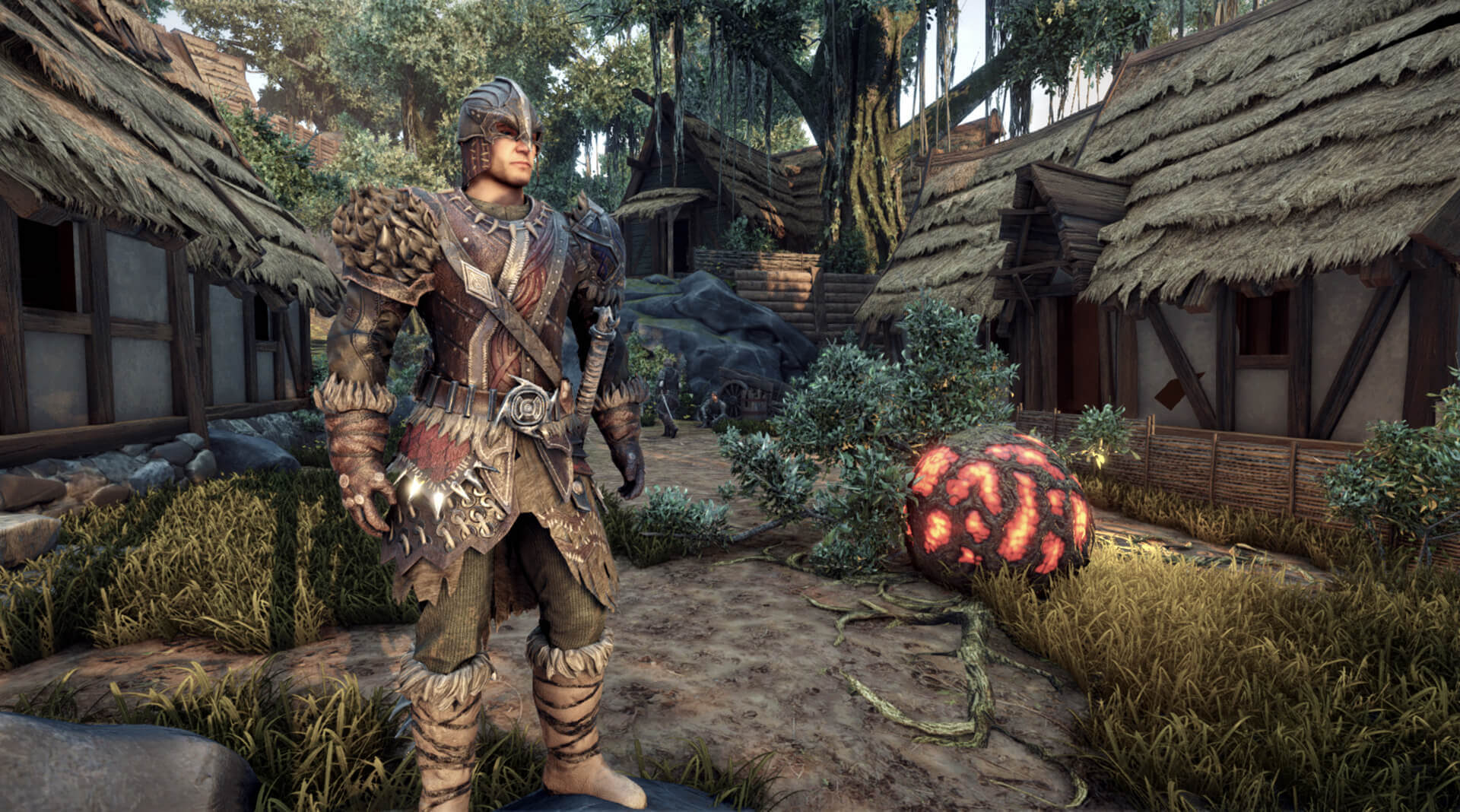
Elex Combat and Enemy Guide
Master Elex combat mechanics, weapon strategies, armor tips, powerful magic usage, and enemy weaknesses to dominate every battle.
Combat in Elex can be notoriously challenging, especially for players just getting used to the game's unique blend of melee and ranged fighting mechanics. With a wide variety of enemy types roaming around--from aggressive wildlife to heavily armed faction fighters--understanding how to approach different combat scenarios can really improve your experience. The world of Elex doesn't scale itself down to your current level, so wandering into the wrong area at first is easy and can lead to some quick defeats. Getting comfortable with your gear, mastering dodges and timing, and learning to read enemy behaviors will help keep you alive longer, making your journey through Magalan smoother and more enjoyable.
Mastering Your Stamina Management
The stamina bar in Elex plays a big role during battles. Every strike, dodge, block, or sprint will drain your stamina, which replenishes over time once you stop performing these actions. Mindlessly spamming attacks quickly leaves you tired out and open to damaging counterstrikes. Instead, deliver two or three quick attacks and then dodge or block to briefly recharge. Pay close attention to your stamina gauge because running low at critical moments can lead to painful defeats.
When facing tougher opponents, don't hesitate to briefly retreat or sidestep around objects to regain energy. Attacking aggressively is necessary sometimes, but patient stamina control often makes the difference against tougher enemies.
Melee Combat: Timing Is Everything
Elex melee combat favors timing and precision, rather than wildly swinging your weapon until something drops. Each melee exchange has risks and rewards, so reading your enemy's movements becomes a priority. Most enemies telegraph their powerful strikes with clear visual cues, such as winding back their weapon or lunging forward clearly. Becoming aware of these patterns helps you dodge at exactly the right moment, potentially leaving enemies open to your counterattack.
Weapons vary in speed and damage, affecting your combat rhythm significantly. Axes and two-handed swords hit hard but swing slower, requiring extra strategic timing. Swords, clubs, or smaller melee weapons swing faster but deal less damage per hit. Experiment with different gear early to see what matches your style. Remember: precision beats button-mashing almost every time in Elex.
Understanding Your Ranged Options
Combat isn't solely up-close and personal in Magalan. Guns, bows, and energy-based weapons give you safe ranged options to whittle down your foes before they get close. Just keep an eye out for your chosen ranged weapon's ammo type--for guns, it's straightforward bullets; bows depend on arrows; energy weapons consume energy cells. Running out of ammo mid-fight can become disastrous, so check your inventory before wandering far from safety.
Aiming improves as you spend skill points on ranged abilities and accuracy upgrades from specific faction trainers. Early on, accuracy isn't great--but practice makes perfect. Leading your shots slightly, especially when your enemies zigzag, will land more hits until your skills and perks improve.
Magic and Specials: Adding Versatility to Your Arsenal
Depending on your chosen faction, you also get access to special abilities or magic spells which add variety and strategic options when facing hostile creatures and foes. For instance, Berserkers offer magic abilities allowing elemental damage or even healing, while Clerics wield energy-based powers useful for crowd control and distance fighting. Outlaws specialize in chem abilities, providing stim boosts that temporarily enhance combat output.
These special skills typically run on mana or energy bars, similar to stamina. Once learned, managing these resource pools becomes as important as monitoring health and stamina during high-tension fights. Knowing when and how to deploy your magic or special attacks effectively turns challenging encounters into manageable skirmishes.
Effective Use of Dodge and Blocking Techniques
Enemies in Elex hit hard--really hard. Luckily, the game gives you options besides violently swinging weapons. Learning to dodge or block at the right instant keeps you alive and healthy. Pressing dodge as your opponent lunges at you delivers invincibility frames, which give you short moments of immunity mid-roll. Use this wisely to narrowly avoid devastating damage or reposition yourself into a safer position.
Blocking depends on shields or specialized weapons. Shields absorb much of the damage, significantly reducing health loss, provided you have the stamina. If stamina drops to zero, your character becomes staggered temporarily, becoming an easy victim. Therefore, balance blocking and dodging based on your gear choice, current stamina, and enemy attack patterns.
Adapting to Enemy Behavior Patterns
Every enemy type in Magalan has its own unique fighting style. Beast-type foes often charge straightforwardly, making dodging aside and hitting their backs effective. Human or humanoid opponents sometimes mix ranged and melee or use combos that require predictable responses. Robots, mutants, and high-level monsters may suddenly unleash explosive spells or area damage requiring extra caution when approaching too close.
Take the first few encounters with each enemy seriously, using the opportunity to learn their specific moves rather than going all-in immediately. Noticing enemies that back away before releasing a powerful blast or spotting preparations for ranged strikes provides valuable hints towards staying alive. Adjust your offensive approach accordingly, using weaknesses that match your equipped weaponry or special abilities.
Making Combat Easier Through Progression
Elex doesn't scale enemies, meaning early-game battles against high-level foes nearly always end with you defeated. Be smart: if you notice enemies taking insignificant damage or quickly overwhelming your defenses, come back once you've built stronger armor, weapons, or leveled combat skills. Early caution rewards you greatly later, as gear improvements, skills, and perk upgrades noticeably change battle outcomes in your favor over time.
Train regularly with faction trainers, spend time improving armor and crafting better weapons, and pay close attention to your stats and perks related to your main combat style. Overall, a well-developed character means smoother combat.
Conclusion
Combat in Elex challenges new players significantly but becomes more rewarding over time. Balancing careful stamina management, timed dodging and blocking, experimenting with ranged and melee weapons, mastering faction-specific abilities, reacting to enemy attacks accurately, and patiently progressing through tougher challenges smooths out Magalan's overwhelming difficulty curve. Keep practicing these core strategies, and you'll soon find combat less intimidating--and maybe even pretty fun.
Weapon Proficiency Strategies
Figuring out Magalan’s combat system takes more than picking the biggest weapon and swinging away. Choosing the right weapon type and investing skill points strategically in weapon proficiencies makes all the difference between repeated frustration and victorious battles. Here's how to smartly handle your weapon skill progression to gain an advantage in the dangerous world of Elex.
Understanding Weapon Types and Requirements
Weapons in Elex fall into specific skill groups: one-handed melee, two-handed melee, ranged, and heavy weapons. Every category has unique strengths, weaknesses, and skill expectations.
One-Handed Weapons: Lightweight and speedy, one-handed swords, clubs, and maces allow quicker attacks at shorter distances. They don't hit super hard per swing but stack damage quickly. Melee combat builds based on agility and precision benefit significantly from this category, especially if you add a shield to absorb damage while staying mobile.
Two-Handed Weapons: Axes, two-handed swords, and hammers pack heavy power into each swing--but they're sluggish. Dealing substantial damage comes at the cost of swing-related vulnerability since enemies spot those delays and punish careless timing. Builds relying heavily on strength and robust armor benefit most from these weapons. Swing carefully to avoid stamina drain or enemy counters.
Ranged Weapons: Guns, bows, crossbows, and energy weapons enable safer combat at a distance. Investing points here means upgrading damage, accuracy, reload speed, and ammo handling. If you're more cautious, prefer staying behind cover, or enjoy softening up targets before moving in, firearms and bows suit your playstyle well--just carry extra ammo.
Heavy Weapons: Rocket launchers, flamethrowers, or plasma cannons sound strong and flashy--and they are--but ammo is costly and limited. They’re useful primarily as late-game backups for boss fights or realistic tough spots, not primary everyday choices. Consider heavy weapons a bonus rather than your daily driver until late-game resource constraints ease significantly.
How Weapon Proficiency Impacts Gameplay
Building up proficiency means efficiently investing skill points and training with faction NPC trainers. Early levels see only minor improvements, but consistent upgrades provide noticeable progress later. Here’s how skill upgrades change your combat potential:
-
Damage Output Increased: Every proficiency level boosts weapon damage for your selected type. Just one or two points won't feel huge, but stacking upgrades improves damage drastically over multiple levels, helping you clean out tough enemies quicker.
-
Reduced Stamina Consumption: More swings drain less stamina, allowing longer attack combinations and more opportunities to block or dodge attacks mid-battle. Especially critical when using heavy weapons like two-handed axes or hammers.
-
Improved Accuracy (Ranged): For ranged builds, accuracy boosts mean fewer missed shots and much greater efficiency over time as your aim becomes steadier. Miss less, kill quicker, save ammo--it's that simple.
-
Unlocking Special Attacks (Melee): Certain proficiency milestones grant new special melee attacks. These include combo finishers, charged swings, and upward strikes effective against high-armored foes or quick, dodgy enemies.
Strategically Allocating Your Skill Points
Skill points earned by leveling and through potions are limited--you can't max everything during your first playthrough. Plan carefully:
-
Specialize Early: Don't spread your points too thin. Pick one melee or ranged type matching your preferred style. Whether agile swords, brute-force axes, or cautious ranged shooting, specializing early amplifies your combat effectiveness faster.
-
Complementary Skills: If you mainly prefer melee combat, place some backup points into ranged or vice versa. This provides flexibility if caught at distance or surrounded. It’s smart insurance in unpredictable combat situations, even if it isn't your main build focus.
-
Faction Influences: Your chosen faction profoundly influences weapon and combat styles you lean toward. Clerics encourage ranged combat and energy weapons. Berserkers often push for melee skills alongside their magic abilities. Outlaws may lean toward rifles and chem-enhanced melee skills. Pick faction trainers aligning smoothly with your combat strategy for improved perks and training efficiency.
Enhancing Weapons and Using Mods
Weapon proficiency gain is more significant when paired with regular gear upgrades. Enhance your favorite weapons regularly at crafting benches across Magalan, investing collected components for damage and accuracy upgrades. Mods such as scopes (ranged), energy cells (energy weapons), or sharpened blades dramatically improve weapon utility. Keep checking merchant stocks and looting locations thoroughly for weapon upgrades.
Practical Combat Tips for Each Weapon Type
-
One-Handed Weapons: Prioritize attack speed buffs, agility increases, and dodge-boosting perks. Stay mobile, target weak points on large enemies, and pair with shields for maximum defense.
-
Two-Handed Weapons: Time attacks following perfect dodges or enemy misses. Prioritize strength, health, stamina regeneration perks, and ability loadouts to reduce stamina depletion.
-
Ranged Weapons: Balance damage upgrades alongside precision boosts. Practice leading shots on moving enemies. Remember backup ammo--always. Invest in ranged accuracy/passive bonuses quickly.
-
Heavy Weapons: Save powerful ammo for emergency crowd-control and boss encounters. These weapons work best when critting high-health enemies at key moments or clearing large enemy packs swiftly.
Conclusion
Weapon proficiency is more than numbers in Elex; it completely transforms your combat experience. By matching the right weapons to your playstyle, allocating skill points thoughtfully, frequently upgrading weapons, and embracing your faction's strengths, you set yourself up for smoother fights. Keep prioritizing proficiency upgrades, modding your weapons frequently, and playing smartly to maximize combat results. Soon you'll realize how much difference a smart approach to weapon expertise makes in surviving--and thriving--in Magalan’s hazardous battles.
Armor and Defense Enhancements
Weapons might win fights, but reliable armor keeps you standing to fight another day. In Elex, a brutal, unforgiving world, armor is vital--not just an accessory. You need to understand how protective gear and defense enhancements work or you're toast. Let's break down your options clearly, without messing around.
Armor Types: What You Can Wear and Why
Every armor type offers unique strengths and logical trade-offs. Pick gear matching how you fight and the threats you regularly face.
-
Light Armor (Leather, Cloth):
Light armor provides low physical protection but barely restricts movement. If you're an agile fighter relying on dodging attacks rather than tanking hits face-first, this setup suits your acrobatic style. It pairs well with ranged builds who avoid direct combat or melee players counting on mobility and quick strikes. Good for conserving stamina and evasion--but offers limited durability once you've messed up a dodge roll or two. -
Medium Armor (Standard Metal and reinforced suits):
Medium protection strikes a comfortable midpoint between speed and damage absorption. You can handle some punishment without completely slowing down your footwork. Ideal for versatile builds switching between ranged sniping and close melee. Brawler-style survivors who occasionally take hits but don't want to completely abandon maneuverability usually settle here. It's practical and balanced, a reliable middle choice. -
Heavy Armor (Full Steel Suits, High-End Plating):
Offering maximum protection, heavy armor drastically reduces damage from enemy blows--especially important against bosses or tough-hitting mobs. However, solid defense comes at the cost of your combo speed, dodge timing, and stamina drain. If you're aiming to tank enemies or focused on melee power over finesse, heavy armor gives you the durability edge to trade blows confidently. Just expect slower fights and stamina management headaches.
Armor Upgrading and Enhancement Methods
Don't be content with basic gear--improve your armor regularly at crafting stations. Incremental upgrades boost your survival rate significantly, especially against increasingly aggressive enemies you'll meet further into Elex.
-
Armor Reinforcement:
Standard armor reinforcement adds straightforward boosts to physical or elemental resistance. Bring metal scraps, leather pieces, or synthetic fibers you find scavenging to workbenches regularly. Upgrading mid-tier sets yields considerable stat improvements without crippling resource costs. -
Faction Armor:
Your chosen faction provides specialty armor with distinctive strengths. Cleric gear tends toward strong energy resistance (useful against enemy tech-users or energy-weapon-heavy encounters). Berserker armor emphasizes physical and poison resistance to survive encounters with mutated beasts. Outlaws supply rugged armor sets blending general physical protection with radiation or chem-based resistances. Prioritize upgrading your faction set early as it complements your overall build path, and enhances playstyle synergy. -
Accessory Augments:
Helmets, gloves, boots, and belts don’t just fill slots--these small items carry big stat bonuses for combat effectiveness. Carefully selected gear add-ons reduce damage from certain enemy attack types, increase resistances to fire and radiation, or help regenerate stamina mid-battle. These smaller details supplement main armor upgrades nicely, providing notable benefits without burdening your resources heavily.
Shield Mechanics: Blocking vs Dodging
Shields act as optional but significant defensive supplements, especially good news for melee-focused builds. Equipping a shield--or not--changes your defense tactics:
-
Blocking: With a solid shield, blocking enemy blows reduces incoming damage considerably, but drains stamina with each successful strike you block. Block-oriented players should invest early and heavily into stamina regeneration and shield-related perks, allowing sustained blocking during extended combat exchanges. Not every attack can be perfectly dodged, so absorbing hits using shields is an effective insurance option.
-
Dodging: Avoiding attacks entirely through quick dodge-roll maneuvers prevents stamina-drain from hits, but mistiming usually means paying the full price. Dodging suits lighter, more agile players the best because heavier armor significantly worsens dodge timing windows. Choose dodge-heavy defense paths only if confidently quick on reaction times--sluggish reaction costs more at high levels.
Consider combining both--blocking as a backup option if dodging fails adds extra security in heated battles.
Rings and Amulets: Small Items, Big Impact
Don't underestimate jewelry choices. Each equipped ring or amulet can meaningfully enhance armor characteristics, improve elemental resistances, or boost overall stamina and health levels. Such passive benefits don't demand active management in combat, making rings and amulets strategically valuable. Regularly check vendors and enemy loot outside settlements--they often stock useful defensive accessories you can easily overlook.
Suitability to Your Playstyle
Choosing armor and enhancements ultimately comes down to your combat approach:
-
Aggressive Melee Fighters: Heavy armor, shields, reinforced accessories focused on stamina and stocking up health regeneration items--you're going head-on, and your gear needs to match your aggression. Invest in high-level armor enhancements early to tank enemy attempts headfirst.
-
Balanced Combatants (Melee/Ranged Mix): Medium armor usually proves optimal, rigorously upgraded at regular intervals. Rings and amulets supplement stamina, health, or specialized resistances to enhance overall versatility.
-
Ranged and Agile Players: Choose light armor combinations evaluated and upgraded specifically with evasion, dodge bonuses, and energy or radiation resistance boosts (critical when fighting enemy ranged attacks). Dodging becomes your primary defensive mechanic, supported through targeted gear perks.
Conclusion: Armor Makes You or Breaks You
Elex routinely pushes your survival limits, and reliable armor genuinely decides outcomes of battles more than sheer firepower alone. Stay smart--upgrade gear continually, choose enhancements wisely matching your combat strengths, and carry useful defensive accessories everywhere you go. Invest attention and resources consistently into protective equipment; it's non-negotiable for thriving in Magalan's harsh wasteland.
Utilizing Magic in Battle
Magic in Elex isn't your typical wizard-stuff-from-a-distance deal. Harnessing mana comes with tactical depth, unique faction styles, and some big decisions you'll make early in your playthrough. Knowing how to use your magical arsenal effectively changes battles entirely. Let's break down the magic options clearly, faction differences included, and outline when and how to deploy spells in the heat of combat.
Understanding Mana and Spell Mechanics
In Elex, spells aren't unlimited. Instead, they run on mana--a separate resource you'll manage alongside stamina and health. Like ammo for ranged weapons, running out at the worst time can lead to disaster. Here’s what you need to know about mana use and management:
-
Mana Pool:
Mana acts like fuel for your spells. Each spell drains its own amount, meaning spamming your most powerful abilities drains you quickly. Increase your mana reserves by leveling Intelligence, equipping mana-boosting gear (rings and amulets, especially), or using mana potions when running dry mid-combat. -
Spell Cooldowns:
Some powerful spells have cooldown timers. This means you can't immediately recast certain abilities. Keep weaker, quicker spells ready as emergency backups while waiting for cooldown timers. Timing your attacks--balancing cooldown management with mana costs--is key to efficient magic use. -
Casting Speed & Positioning:
Casting leaves you briefly vulnerable. It might feel tempting to cast heavy-hitting spells repeatedly, but combat requires mobility and strategy. Expect to dodge enemy attacks between spell casts. Take your positioning carefully; choosing safe moments to cast is as important as the strength of the spell itself.
Magic by Factions: Clerics vs Berserkers
Only certain factions offer magical abilities. Your magic style dramatically differs based upon your chosen group:
-
Cleric Magic (Psi abilities and Tech-powered magic):
Clerics offer a sci-fi spin on magic known as Psi powers. Instead of fireballs or lightning bolts, Clerics wield energy-based spells like Electroshock, Plasma Ball, and Black Hole, centered around disrupting enemy movement, stunning foes for quick follow-ups, and area-based crowd control. Cleric magic suits players who prefer controlling enemy groups, pausing chaotic fights, and setting up powerful combo attacks. -
Berserker Magic (Nature-based Elemental spells):
If traditional elemental casting appeals more to you, Berserkers provide environmental magic harnessing nature's forces--think flames, frost, and poison damage. Fireball, Ice Wave, or Poison Aura spells deal direct damage, slow enemies, or inflict ongoing status effects. Berserker magic plays well for players liking direct confrontations, heavy elemental damage, and damage-over-time combat approaches focusing on target elimination or soft crowd management to even the odds.
Smart Spell Combos in Action
Utilizing magic smartly means avoiding wasteful casting of random spells and embracing strategic combos. Here are example scenarios for effective combos:
-
Crowd Control Combo (Cleric Player):
Facing multiple foes at once? Try opening with a shockwave or Black Hole spell to stun and funnel enemies together. Quickly switch to your Plasma Ball or Energy Wave to hit tightly grouped enemies hard, maximizing damage. Once groups scatter, repeat or switch to melee or ranged attacks until cooldowns clear. Effective enemy group management drastically improves survival chances, especially at lower armor levels. -
Status Effect & Melee Synergy (Berserker Player):
When faced with high-hp aggressors or agile enemies, open with "Ice Wave" to slow enemy movements or "Poison Aura" for damage-over-time effects. Slowed or poisoned enemies become easy prey for melee or ranged follow-ups--they'll suffer continuously from elemental effects while your standard weapons finish them off. Using elemental effects to slow opponents before closing in makes your melee combat significantly safer and quicker.
Defensive Strategies with Magic
Magic doesn't just mean offense--it helps keep you alive too:
-
Damage Mitigation via Crowd Control:
Use spell-based stuns or freeze effects (stasis fields, freezing waves) proactively when overwhelmed or caught in tight enemy groups. Buying yourself several vital seconds allows health or mana regeneration items and dodges to safer positions, literally turning desperate circumstances to comfortable recoveries. -
Healing & Regenerative Magic:
Certain faction abilities offer regenerative spells. Clerics, for example, access "Healing" abilities, restoring hit points mid-battle. Using regeneration powers in hot moments reduces your reliance on limited health consumables significantly, making magic crucial for sustained survival through prolonged or tough battles.
Mana Management Tips
Your magic won't help much if you're always out of juice. Keep these basics in mind for mana efficiency:
-
Upgrade Intelligence and Mana Pools early:
Prioritize putting skill points into Intelligence or magically-focused perks. Higher mana pool equals less reliance on potions and more frequent casting. -
Carry Mana Potions Regularly:
Seems obvious, but players often forget to replenish mana consumables between adventures. Stocking potions ensures you're not going dry mid-fight--especially vital during lengthy boss battles or large enemy mobs. -
Use Lower-Level Spells Wisely:
Don't underestimate lower-tier spells--they provide consistent damage for fewer mana points. Filling gaps between heavy spell cooldowns stretches your overall mana dramatically, keeping pressure on enemies consistently.
Matching Magic Style to Your Overall Build
Finally, align magical choices with the rest of your character build:
-
Melee or Hybrid Magic Fighters:
Hybrid builds mixing spells with melee benefit from stuns, slows, and poison effects. Quick casting crowd-control spells combined with melee follow-ups maximize effectiveness of both combat styles. -
Dedicated Casters or Spell-heavy Approaches:
Prioritize mana regeneration, protective spells, high-damage spells, and elemental effects. Your fragile nature means using battlefield mobility, stuns, and offensive elemental magic to eliminate opponents before they close distance. -
Support or Team Play Strategies:
If you prefer supporting companions or friendly NPCs, healing spells, sustained crowd control, and debuff/area control spells make great utility. Keeping allies healthier and enemies disoriented does wonders in tougher encounters.
Conclusion: Master Your Magic, Transform Your Battles
Magic is more than flashy explosions in Elex--it's a tactical toolkit allowing strategic creativity during tough engagements. Pay close attention to mana, cooldown timers, your faction’s spell style, and thoughtful combos crafted around your preferred tactics. Incorporating magic smartly turns tight fights into comfortable victories, granting significant control over every enemy encounter.
Enemy Analysis and Weaknesses
While mastering your skills and spells makes a big difference, understanding each enemy in Elex is equally valuable. Given the game's challenging nature, knowing threats beforehand and their specific vulnerabilities gives you an edge in every combat scenario.
Mutants: Aggressive and Dangerous Up-Close
Mutants are some of the earliest and most common foes you'll encounter across Magalan. They're aggressive, charge at close quarters, and attack relentlessly.
-
Behavior:
Mutants rush straight toward you in combat, often grouping together in chaotic packs. They rely on brute force rather than strategy, attempting to overwhelm you through numbers. -
Weaknesses and Strategies:
Use your crowd-controlling spells or quick area-of-effect abilities to deal with clusters. Stuns or slowing effects effectively neutralize their aggressive tactics, helping you stagger their approach and dispatch smaller groups efficiently. Long-range combat, using powerful ranged weapons or heavy burst spells, is also effective, picking them off safely from a distance. Avoid prolonged melee engagements--mutants deal quick damage, and you'll find yourself overwhelmed without proper crowd control or mobility.
Reavers: Versatile and Smart Opponents
Reavers pose a more complicated challenge. Often appearing in fortified areas or encampments, these human adversaries wield various weaponry and sometimes even use limited tactical maneuvers.
-
Behavior:
Unlike mutants, reavers won't blindly rush into battle. They utilize cover, attack from distance, and even try flanking you at times. They're moderately armored but vulnerable when isolated. -
Weaknesses and Strategies:
Separate reavers using spells like Cleric's "Black Hole," Berserker's "Ice Wave," or poison abilities. Disrupting their positioning greatly reduces their danger level--take advantage of momentary disarray. If you're in melee combat, prioritize eliminating rifle-equipped reavers quickly, as ranged fire will rapidly drain your health pool. Exploiting elemental damage (electricity and poison especially) can quickly nullify their resilience, allowing faster elimination.
Albs: Technologically Advanced and Dangerous
One of the toughest enemies you'll face are the Albs, who carry superior energy weapons and heavy armor. They're precise, resilient, and capable of dealing deadly ranged damage in mere seconds.
-
Behavior:
Albs employ methodical tactics, staying at range whenever possible. When threatened up-close, they'll swiftly reposition and resume firing energy weapons. Occasionally they'll attempt melee strikes, especially when cornered. -
Weaknesses and Strategies:
Engage Albs carefully--taking cover and employing spells frequently to stun or freeze them mid-fight. Plasma or electrical spells (such as Cleric's Electroshock) effectively disrupt their attacks. Quick, explosive spells and weapons dealing heavy damage in short bursts work wonders. Additionally, accuracy-enhancing abilities and ranged precision weapons can quickly exploit brief windows of vulnerability between their energy attacks. Never rush head-on without proper armor--Alb lasers shred poorly protected characters in an instant.
Combat Robots: Heavily Armored but Predictable
Combat robots, particularly common near Alb territories or high-tech ruins, deliver devastating ranged attacks and pack resilient armor plating that resists most conventional weaponry.
-
Behavior:
Robots employ predictable, steady attack patterns--often unleashing powerful weaponry at intervals, accompanied by slow movement. They rely strictly on ranged energy and ballistic damage, rarely closing the gap for melee confrontations. -
Weaknesses and Strategies:
Their predictability provides your opening. Dodge attacks and counter immediately with EMP-type spells or electrical abilities. Plasma and shock spells from Cleric magic are particularly effective here. Explosive projectiles--especially rockets--excel too, wearing down robot armor quickly. Always avoid close-range or stationary fights; these enemies obliterate immobile or trapped characters without pause. Utilize mobility and sustained elemental assaults, keeping yourself agile to survive engagements safely.
Wildlife: Varied Danger and tactics
Magalan's wildlife varies dramatically--from small scavengers posing minimal threats to large, fearsome predators capable of eliminating even experienced adventurers.
-
Behavior:
Smaller wildlife enemies, like Scavengers, attack in numbers with rapid, low-damage hits. Larger beasts, such as Trolls or Raptors, use devastating swings or charge attacks that quickly drain your health bar. -
Weaknesses and Strategies:
For smaller groups, quickly use area spells (fireballs, shockwaves) to clear groups efficiently. Larger predators become manageable once you carefully plan your attacks and maintain range or controlled melee situations. Fire elemental magic particularly helps with wildlife due to them generally holding low resistance to fire effects. Additionally, poison effects weaken stubborn high-health predators over time, drastically simplifying otherwise tough encounters.
Bosses and Advanced Enemies: Picking Your Battles Wisely
Certain foes in Elex possess tremendous health pools, punishing damage output, and unique, fight-specific skills or mechanics.
-
Behavior:
Bosses and advanced enemies often possess unique attacks, powerful melee or ranged abilities, and high resistance. They're found guarding valuable loot, critical areas, or tied to missions/events. -
Weaknesses and Strategies:
Analysis and patience pay off here. Carefully observe enemy attacks and positioning. Employ deliberate hit-and-run tactics to minimize risks, relying heavily on healing magic and mana-efficient combat techniques. Status effects (poison, frost, stun) prove vital--allowing numerous low-risk hits while enemies suffer disabling conditions. In tougher battles, selecing companions as distractions or drawing these enemies out allows better area control and isolates threats effectively.
Know Your Enemy, Rule Your Battles
In Elex, simply charging head-on results in frustrating losses. However, knowing enemy behaviors, patterns, weaknesses, and effective counterattacks lets you swing tough battles easily. Exploit each opponent type carefully--use spells, ranged weaponry, interrupts, and elemental damage strategically--to maintain absolute battlefield control. Combined with strong armor, reliable weaponry, shared tactics, and smart spell combos from earlier sections, proper knowledge of enemy vulnerabilities transforms difficult fights into satisfying victories.