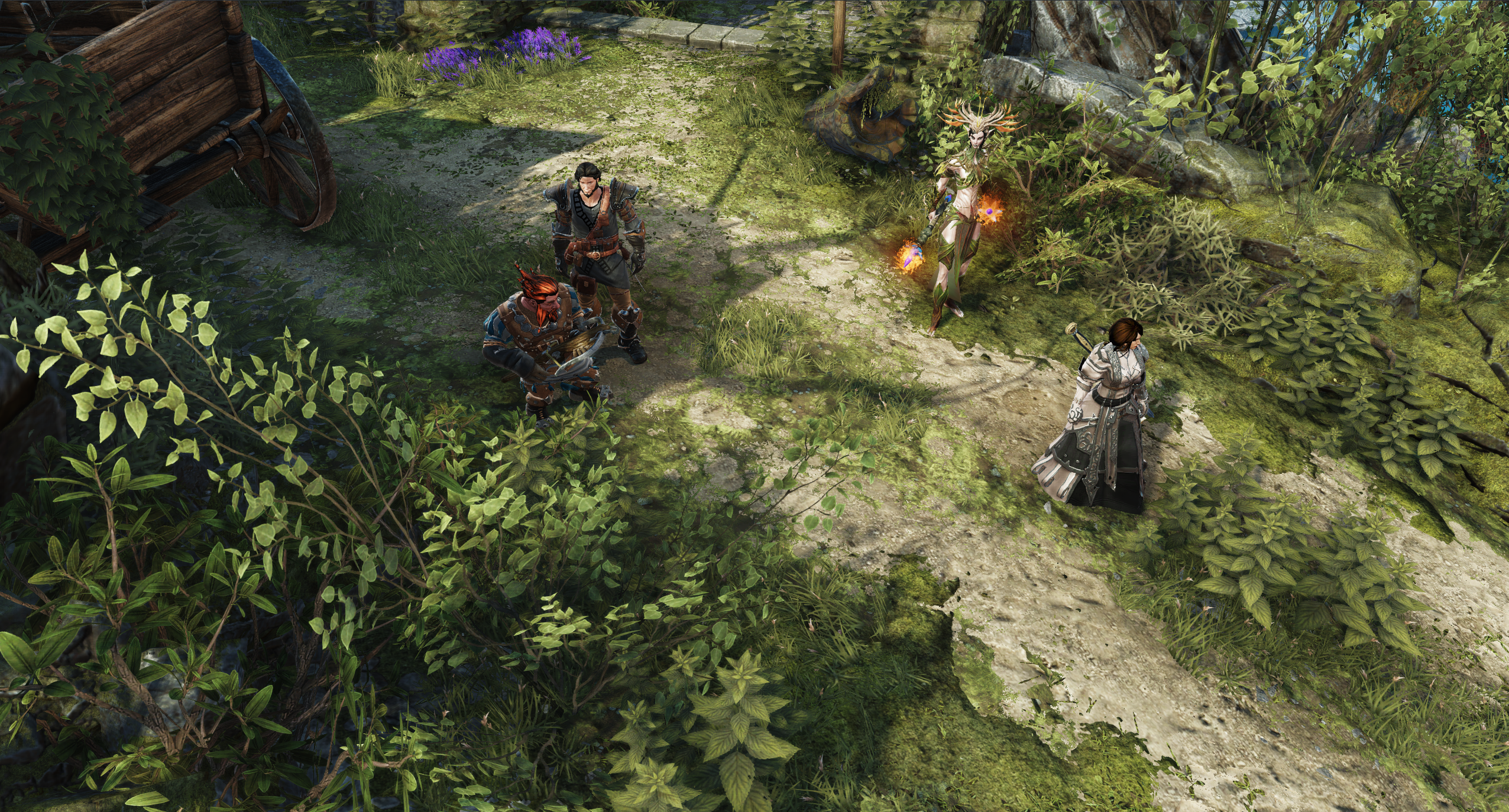
'Divinity: Original Sin 2 Crafting and Recipes Guide'
Master crafting in Divinity: Original Sin 2 with our guide to recipes, ingredient tips, skill books, grenades, and arrows!
It doesn’t take long in Divinity: Original Sin 2 to realize how much crafting can shape your adventures. Whether you’re piecing together makeshift armor early on or brewing up a clever grenade to turn the tide of battle, the game’s crafting system offers a lot of room for creativity—and sometimes confusion. The sheer number of ingredients and recipes can be overwhelming, especially with so many lying around in chests, vendor inventories, or tucked away in the oddest corners of Rivellon. Getting a handle on what you can actually make, and what’s worth the trouble, can often mean the difference between a smooth run through the game’s tougher fights and some seriously unnecessary frustration.
Comprehensive Recipe List
Divinity: Original Sin 2 uses a flexible crafting system, letting you create everything from armor upgrades to deadly grenades. You’ll come across countless materials—some obvious, some odd—and combining them in the right way opens up tons of useful items. This section breaks down the most important categories so you’ll know what to keep and what’s okay to sell or use up.
Potions & Elixirs
Healing and buff potions are your bread and butter, especially in early combat. Here are the basics:
| Recipe | Ingredients | Effect | |---------------------------|-------------------------|----------------------------------| | Minor Healing Potion | Empty Potion Bottle + Minor Healing Herb (e.g., Yarrow) | Restores a small amount of health | | Medium Healing Potion | Small Healing Potion + Augmentor (e.g., Augmentor Herb) | Restores a moderate amount | | Poison Potion | Empty Potion Bottle + Toadstool/Poisonous Plant | Heals undead, harms living | | Armor Potion | Empty Potion Bottle + Earth Essence + Life Essence | Restores some physical/magic armor|
- Pro tip: Identifying and stockpiling empty potion bottles and rare herbs pays off late game.
Food Recipes
Food gives small, but sometimes stacked, restorative bonuses. It’s easy to make and a good fallback if you’re running low on potions.
| Recipe | Ingredients | Result | |---------------------|------------------------------|-------------------| | Bread | Dough + Oven | Restores health | | Boiled Potato | Potato + Water Pot | Restores health | | Fish Pie Dough | Fish + Dough | Food item | | Soup | Water Pot + Any Vegetable | Small health heal | | Cheese Bread | Cheese + Dough | Food item |
Scrolls & Skillbooks
Can't afford to buy every skillbook? Crafting some scrolls covers the gaps.
| Recipe | Ingredients | Effect | |----------------------|--------------------------------------|-----------------------| | Resurrection Scroll | Sheet of Paper + Water Essence + Life Essence | Revives fallen ally | | Fireball Scroll | Sheet of Paper + Fire Essence + Source Orb | Casts Fireball spell | | Restoration Scroll | Sheet of Paper + Water Essence + Life Essence| Restores health |
- Sheet of Paper: Combine wood with a sharp tool (e.g., a knife or repair hammer).
Weapons & Armor Upgrades
Basic gear can be improved pretty cheaply.
| Recipe | Ingredients | Result | |-----------------------|--------------------------------------|-----------------------| | Sharp Stone on Stick | Sharp Stone + Branch | Primitive weapon | | Nails in Board | Wooden Board + Nails | Improved club | | Leather Armor | Leather Scraps + Needle and Thread | Basic armor | | Armor Polishing | Armor + Soap | Slight armor boost |
- You can also use runes and enchantments for late-game enhancements, but those tables get complex quickly.
Grenades & Special Items
Grenades and special bottles often turn fights around.
| Recipe | Ingredients | Effect | |-------------------------|-----------------------------------------|--------------------------| | Firestorm Grenade | Empty Canister + Oil Barrel + Fire Essence | AoE fire damage | | Poison Flask | Empty Potion Bottle + Venomous Aura or Poison Source | AoE poison | | Smoke Grenade | Empty Canister + Air Essence | Creates smoke cloud | | Frost Grenade | Empty Canister + Water Essence + Frost Plant | Chills enemies |
- Tip: Many effects can be swapped—air essence for a different grenade effect, etc.
Arrows & Spellcraft
Ranger and hybrid builds can benefit from homemade specialty arrows.
| Recipe | Ingredients | Effect | |-----------------------|--------------------------|-----------------------------| | Fire Arrow | Arrow Shaft + Fire Essence | Inflicts burning | | Poison Arrow | Arrow Shaft + Poison Vial | Inflicts poison | | Knockdown Arrow | Arrow Shaft + Knockdown Arrowhead | Knocks down targets| | Explosive Arrow | Arrow Shaft + Explosive Arrowhead| Causes explosion | | Freezing Arrow | Arrow Shaft + Frost Arrowhead | Freezes enemy | - Arrow Shafts: Made from branches and a knife.
- Arrowheads: Can occasionally be bought or found.
Where to Find More Recipes
- Experimentation: The game often rewards mixing random items. If you’re not sure, use the crafting system and see what works—you might stumble onto something useful.
- Books and NPCs: Recipe books are dotted around the world. Vendors and some NPCs also offer recipe hints.
- Online References: Resources like Divinity: Original Sin 2 Wiki and [community spreadsheets](https://docs.google.com/spreadsheets/d/1upfoX kzFLqJXJ6Ad7thQYQyJpdIT9zEwKDJ vJcNcg/edit#gid=1897557692) catalog hundreds of combinations.
Useful Crafting Tips
- Hoard the basics: Never throw out empty bottles, wood, or basic herbs. You’ll eventually need them for something.
- Carry a sharp tool: Knives and even sharp rocks help break down bigger items into components.
- Check tooltips: Hovering over items sometimes gives recipe clues or combo possibilities.
- Party skills: Some recipes require a certain crafting or blacksmithing skill level. Spread these skills among party members if possible.
Conclusion
It’s easy to get lost in the weeds with all of Divinity: Original Sin 2’s crafting options. But knowing the basics—and keeping this recipe list handy—lets you turn even random junk into valuable resources. Start with healing and utility items, branch out to combat gear and scrolls, and soon your party will be prepared for just about anything Rivellon throws at you. Keep experimenting, and you’ll find even more useful concoctions as you go.
Ingredient Gathering
Before you start mixing healing potions or strapping poison vials to arrows, every crafter needs raw materials. Ingredient gathering is a steady undercurrent in Divinity: Original Sin 2, whether you're out foraging in the wilds, breaking down junk, or scouring the pockets of fallen enemies. Here’s how to get stocked up without spending all your gold or bag space.
Starter Ingredients: What to Watch For
Not all loot is flashy. Some of the most useful items look like trash at first glance—empty bottles, branches, mushrooms, and bits of cloth are foundation pieces for tons of recipes. Learn to recognize these early and stash them in designated containers or bags.
Common Early-Game Ingredients
- Flowers (Yarrow, Whisperwood, Augmentor): Found near bushes or grassy patches.
- Mushrooms (Blue, Orange, Whisperwood): Clustered around tree roots, near stone paths, or beside water.
- Ores and Metal Scraps: Looted from barrels, chests, or found in caves/mines.
- Branches & Wood: Lying on the ground or chopped from crates/barrels.
- Empty Bottles/Jars: Plucked from shelves, found inside homes, or looted from enemies.
- Food Items: Potatoes, tomatoes, and fish found in kitchens, markets, or storage rooms.
- Essences: Dropped by elemental enemies or bought from magic vendors—these are key for scrolls and powerful grenades.
Gathering from the Environment
Rivellon is littered with interactive items. Anything with a yellow outline can probably be picked up and chucked in your inventory, so always keep an eye out. Wild plants sit in meadows and shorelines, while mushrooms favor caves or shadowy spots. You don’t need to level up special skills to pick up most ingredients—just click and pocket them.
Pro Tips
- If you spot an area dense with flowers/mushrooms, make a mental note. These often respawn after a while.
- Unwanted gear or bulky items can be broken down into smaller parts using a knife, repair hammer, or even a sharp rock. For example, breaking down armor gives cloth scraps or leather, while wood clubs become branches.
- Empty bottles and jars are super common but easy to overlook in barrels and crates. Always loot these containers.
Loot, Trade, and Steal
Vendors aren’t just for buying flashy items—many stock basic crafting ingredients, sometimes for cheap. Restarting their stock by advancing the day or leaving and re-entering the area can keep your reserves high. If you find yourself a little short on gold, don’t overlook the power of sticky fingers: some items can be swiped without consequence—just keep an eye on that red hand icon.
Hotspots for Free Ingredients
- Kitchens (Fort Joy, Arx): Full of potatoes, flour, and jars.
- Apothecary Shops: Flowers, mushrooms, and empty bottles.
- Abandoned Camps/Supply Crates: Branches, nails, string.
Farming Essentials from Enemies
Some ingredients only drop from certain creature types. Killing elementals or magic-touched beasts provides their essence, while undead and monsters can drop rare mushrooms or alchemy items you won’t get any other way.
- Essences: Elemental enemies (fire, water, air, earth) and interacting with magical sources/crystals.
- Bones and Teeth: Skeleton enemies, often found near graveyards or crypts.
- Claws, Feathers, and Animal Parts: Wolves, voidwoken, and other wildlife.
Efficient Organization
Your inventory fills up fast. Set up “ingredient bags” to separate crafting stuff from gear and quest items. Drag and drop all your bottles, mushrooms, and odd junk into these bags so you don’t have to scroll through dozens of random items each time you craft. Party members can carry duplicates, or you can “send to” your designated crafter by right-clicking any ingredient.
Inventory Quick Tips
- Use the “auto-sort” option or keep a dedicated ingredient carrier.
- Sell or drop materials rarely used unless you plan to experiment.
- Some items—like rare essences—should be saved for major craft jobs or epic gear.
Skill and Talent Considerations
A few craftable recipes depend on having at least one point in the “Crafting” or “Blacksmithing” ability. Spread these points if you like everyone to contribute, or pile them onto one character for a master crafter setup. Talents like “Pet Pal” even reveal animals/vendors with special ingredients or recipes, so checking every vendor’s stock as you travel pays off.
Final Gathering Thoughts
Ingredient gathering is a low-key but essential part of survival in Divinity: Original Sin 2. If you keep an eye out for simple bits, raid every barrel and crate, and sort your inventory, you'll always be ready to whip up food, potions, arrows, or bombs on demand. Stay generous with what you pick up—almost everything has a purpose and you never know which odd bit of junk might become a life-saver down the road.
Skill Book Crafting
Mixing skills in Divinity: Original Sin 2 can seriously open up your combat options. Instead of being stuck with standard abilities, you can crack open the crafting menu and blend two basic skill books to cook up new hybrid skills. These combo skills—also called “Source Skills” or “Skill Combos”—let you chain effects that no single class gets by default. Here’s a straightforward rundown on how this system works, plus tips on creating the right books for your squad.
How Skill Book Crafting Works
At its core, skill book crafting uses two basic skill books: one from each of two different magic schools. When you combine them in your crafting menu, you end up with a brand-new skill that draws on both. For example, if you merge a Pyrokinetic (fire) book and a Necromancer book, you get “Corpse Explosion”—a skill for blowing up bodies in a burst of flame. Most combos are straightforward, but a few recipes bring key crowd control or healing powers to the party.
The Basics
- Combine any two unlearned skill books to create a new hybrid skill book.
- Both books must be either both “Skill Book (Blank)” tier or both “Skill Book (Source)” tier—mixing is not allowed.
- Crafted skills can be learned as long as your character has at least one point in each of the two involved schools (no need for super-specialists).
Skill Book Types and Rare Variants
There are three skill book types used in crafting:
- Normal Skill Book: Standard skills, requires level 1 in a magic school.
- Source Skill Book: Uses Source Points for powerful skills, recipes need Source version books.
- Blank Skill Book: Purchased or found, these serve as the “base” for custom crafting or high-level skills.
Most combos follow the “Normal + Normal = Hybrid” rule. For more advanced combos, use the Source variants.
Pro Tip: Always check which books you’re using—accidentally burning a rare or high-level skill book can sting.
List of Hybrid Skill Combos
Here are a few fan-favorite and useful combinations. Remember, you need to combine two books, one from each school listed:
| Skill Name | Combo | Effect | |--------------------|-----------------------------------------------|---------------------------------------------------| | Corpse Explosion | Pyrokinetic + Necromancer | Detonates corpses to damage foes in an area. | | Venom Coating | Scoundrel + Geomancer | Adds poison to the attacks of a target ally. | | Frost Armor | Hydrosophist + Geomancer | Grants magic armor to you or a target ally. | | Vacuum Touch | Aerotheurge + Necromancer | Saps health and magic armor from one target. | | Elemental Arrowheads | Huntsman + Any Magic School (Air, Fire, etc.) | Adds elemental damage to your arrows. | | Bleed Fire | Pyrokinetic + Polymorph | Causes targets to bleed fire instead of blood. | | Corrosive Touch | Geomancer + Necromancer | Strips armor and directly damages target HP. | To make one, pick up an unused skill book from each school listed (e.g., buy a Pyrokinetic and a Necromancer book), then craft them together.
Source Skills: Powerful Combos
Some hybrid skills require Source skill books—the ones that need Source Points to use. These are tougher to find or buy, and the resulting skills often pack a heavier punch. For example:
- Fireball (Source) + Rain (Source) = Meteor Shower (Source)
- Calls down a barrage of flaming meteors.
- Bull Horns (Source) + Tentacle Lash (Source) = Forced Exchange (Source)
- Swaps physical and magic armor of a target, with wild tactical potential.
Source skills often change the way you can approach encounters, making them top priority for late-game parties.
Where to Find Skill Books
Skill books can be bought from trainers in every hub area (Fort Joy, Driftwood, Arx). Some merchants sell only specific schools of magic, while others swap their stock as you level up. Want to craft a particular skill? Check every vendor in town and look for those must-have schools. Blank books are also sold, but can be rare depending where you are in the story.
Hot Tip: If you see a book you might want later, snatch it up! Hybrid skill recipes don’t change over time, but vendor stock does.
Crafting Steps: Getting It Right
Here’s how to actually combine two books:
- Open your crafting menu (press 'G').
- Place the two unlearned skill books in the inputs (drag in, or click and add). . If the combo is valid, you’ll see the hybrid skill book as the output.
- Click craft—it’s yours!
Don’t forget: The person crafting the book doesn’t have to be the one who learns it. Anyone with the right school ranks can read it, so spread them among your team as needed.
Tips and Tricks for Skill Book Crafting
- Skill book combos create only one hybrid book—order doesn’t matter.
- The crafted book is consumed when someone learns the skill, just like normal skills.
- Always double-check which books you use—some are more valuable than others!
- You don’t need to boost your Crafting stat to mix skill books—this is available to everyone.
- Blank skill books can be made by combining a Blank Scroll with an Empty Skill Book.
- Combining skill books never fails, so experiment with any extras in your inventory.
- Hybrid skills only need one point in both schools to unlock.
Best Hybrid Skills to Prioritize
A couple of skill combos stand out:
- Corpse Explosion: Great for necromancers or anyone needing serious area damage.
- Venom Coating: Super useful for physical attackers—especially dual-wielders.
- Elemental Arrowheads: Turns an archer into a source of elemental pain with the right environment.
Get your hands on these early and you’ll notice a big payoff, especially in tough fights.
Closing Thoughts
Mixing skill books gives you flexibility no class can match. If you plan ahead—stockpiling useful books, picking up points in a couple of magic schools, and browsing every shop—you’ll always have an edge in battle. The system’s simple to use, but the custom combos can reshape your whole approach. Try out different mixes and see which ones fit your party’s style best.
Grenade Crafting Guide
Grenades in Divinity: Original Sin 2 are perfect for tossing chaos into a fight, controlling crowds, or adding a punch to a character who’d otherwise run out of action points. They don’t scale with stats quite like spells, but the effects—from surfaces to status effects—can clutch a win or just help you have fun blowing things up. Here’s how to gather, craft, and use grenades like a seasoned Source Hunter.
How Grenades Work
Grenades are thrown items you can equip to your hotbar for quick use. Throwing a grenade costs one action point and isn’t tied to any specific attribute—so even strength or utility-focused party members can have some battlefield tricks. Effects range from explosions and environmental hazards to status effects like blindness, knockdown, or poison.
Key Facts
- Grenades require no stats, so anyone can use them.
- All grenade effects scale with level, not Intelligence or Finesse.
- Each grenade is single-use (unless you hoard… which you should).
Basic Grenade Crafting Ingredients
Almost every grenade recipe uses two main parts:
- Empty Grenade Shell – The base container.
- Payload Ingredient – Decides the effect.
How To Get Empty Grenade Shells
There are three reliable ways to score shells:
- Crafting: Combine an Empty Canister (found as loot or bought from traders) with any Hammer.
- Looting: Search chests, bags, and defeated enemies regularly.
- Vendors: Some merchants occasionally sell Empty Grenade Shells or Empty Canisters.
If you stockpile canisters or shells, you’ll be set for mass production.
Common Payload Ingredients
Each grenade has a unique core material. Typical ones include:
- Oil Barrel or Source-Infused materials for fire or magical grenades
- Nails for shrapnel-based bombs
- Poison, Ooze, or venom sac for toxic effects
- Stardust or bone fragments for debuff grenades
Full List of Grenade Recipes
Here’s a hands-on reference for bomb-making on the go. Mix an Empty Grenade Shell with one of these:
| Grenade | Ingredient | Effect | |-------------------|--------------------------------------|-------------------------------| | Firestorm | Oil Barrel or Fire Essence | Deals fire damage, ignites | | Frost | Water Essence or Ice Essence | Freezes or chills enemies | | Poison | Ooze Barrel or Poison Flask | Spreads poison on ground | | Knockdown | Knockdown Arrowhead | Knocks down targets | | Smoke Cloud | Sharp Rock (generic stone) | Creates area of blindness | | Charming | Persuasion Herb (Drudanae) | Charms creatures (short time) | | Cluster | Nails | Throws multiple minor bombs | | Sticky | Honey or Pitch | Slows and disables foes | | Terror | Did you find some undead jawbones? | Causes fear (run away!) | | Tremor | Earth Essence/Source Orb | Sets Crippled in a small area | Tip: The names may vary based on the ingredient—Firestorm, Fire, and Incendiary Grenades are all similar. If you're not sure, check the crafting preview before clicking "craft".
Where to Find Ingredients
- Essences come from Elemental enemies or are often sold by magic vendors.
- Barrels are everywhere: Fort Joy sees oil, ooze, and water barrels in tunnels and outside.
- Arrowheads sometimes come as loot or can be bought from Fletcher Corbin Day (or any bow merchant).
- Weird stuff like Drudanae or jawbones drops from plant-themed areas or undead—don’t turn up your nose at odd loot!
Crafting Step-By-Step
- Open your crafting window ('G' by default).
- Place an Empty Grenade Shell and your payload item in the craft slots. . Click craft. A grenade appears in your inventory, ready to throw.
- Optional: Sort grenades into your hotbar for quick access.
Pro Tips for Efficient Crafting
- Bulk Craft: Group up empty shells and payloads to craft grenades all at once.
- Match Enemy Type: Use fire against undead, poison against living, frost to slow mobs.
- Inventory Management: Grenades stack. Carry a batch on several party members for tactical flexibility.
- Save High-Impact Types: Knockdown and Charm grenades are rare and turn tough fights.
Best Grenades for Bosses and Crowds
Not all grenades are made equal. Here’s what stands out:
- Knockdown Grenades: Frequently turn the tide, since knockdown skips enemy turns.
- Charming Grenades: Temporarily poach an enemy, perfect for thinning the odds.
- Poison/Fire Grenades: Combo with each other—poison clouds then set alight for huge area damage.
- Frost Grenades: Clutch for freezing melee fighters in close quarters.
General Grenade Strategies
- Pre-fight Prep: Toss smoke or frost before a brawl for softening up groups.
- Chain Combos: Poison, then fire—classic trick for spreading burning clouds.
- Environmental Control: Block paths, obscure vision, or force foes to bunch up with terrain grenades.
- Action Point Saver: Grenades always cost just one AP, so low-initiative characters can still contribute every round.
Conclusion
With a stockpile of grenade ingredients and a little know-how, your whole party can pitch in—defensively or offensively—without worrying about stats or cooldowns. Keep experimenting: the right combination of crafted grenades can turn a losing encounter into a highlight moment.
Arrow Crafting Guide
Ranged characters in Divinity: Original Sin 2 have a ton of flexible options thanks to arrow crafting. Custom arrows add big utility to any archer’s arsenal, and nearly every status effect in the game has an arrow version—shoot fire, poison, knockdown, charm, or even teleportation right from your bow. Here’s how arrow crafting works, what to keep, and the best combos for every stage of the game.
How Arrow Crafting Works
Arrow crafting is a two-step process. First, make special arrowheads using elemental or status-based ingredients. Then, attach each arrowhead to a wooden arrow shaft to get a finished magic arrow. Most recipes only require common loot drops or basic items, so don’t sell random monster bits and elemental essences.
- Arrowheads: Decide the effect—fire, poison, knockdown, etc.
- Arrow Shafts: Basic component made from wood.
You can combine any arrowhead with any shaft for instant results, no crafting bench required.
Where to Find Ingredients
Arrow Shafts
- Combine any stick or branch (wood scrap) with a small knife (or plain old knife).
- Most wood comes from broken barrels, crates, or actual loot labeled “wood branch.”
Arrowheads
- Most are made by combining a regular arrowhead with something else: fire essence for fire arrows, venom sac for poison, nails for knockdown, and so on.
- Basic arrowheads are found as random loot, but you can also buy stacks from bow vendors like Fletcher Corbin Day in Act I.
Essences & Special Items
- Air, Fire, Water, and Earth essences: Dropped by elementals, bought from magic sellers, or found in chests.
- Venom, bone, sharp rock, nails: Loot from monsters, skeletons, and stores.
- Odd stuff: Void-tainted fish, teeth, and mushrooms sometimes turn into unique arrows (check recipes below).
Complete Arrow Crafting Recipes
Here’s a reference table for the best magic arrows:
| Arrow Type | Crafting Recipe | Effect | |--------------------|-------------------------------------------------------|---------------------------------| | Fire Arrow | Arrowhead + Fire Essence/Oil Barrel | Sets fire, burning | | Poison Arrow | Arrowhead + Venom Sac/Poison Flask/Ooze Barrel | Poisons target/ground | | Knockdown Arrow| Arrowhead + Nails | Knocks down if not immune | | Water Arrow | Arrowhead + Water Essence/Water Barrel | Douses flames, minor healing | | Slowdown Arrow | Arrowhead + Honey Jar/Pitch | Cripples movement | | Charming Arrow | Arrowhead + Drudanae (herb) | Mind controls (short term) | | Electro Arrow | Arrowhead + Air Essence | Stuns/wets enemies | | Freezing Arrow | Arrowhead + Ice Essence/Frosted Ancient Skull | Chills or freezes | | Shocking Arrow | Arrowhead + Tooth | Shocks/stuns on hit | | Cursed Arrow | Arrowhead + Source Orb | Curses target/ground | | Explosive Arrow| Arrowhead + Explosive Mushroom/Fire Essence | Small explosion, fire damage | | Holy Arrow | Arrowhead + Pixie Dust | Grants Blessed | | Steamcloud Arrow| Arrowhead + Steamcloud Mushroom | Creates steamcloud | | Bleed Arrow | Arrowhead + Sharp Rock | Sets Bleeding | | Teleportation Arrow | Arrowhead + Teleportation Scroll | Teleports target (single use!) | | Curse Arrow | Arrowhead + Blackroot | Sets Cursed |
*Combine each crafted arrowhead with a wooden shaft for a finished arrow.
Bulk Crafting for Easy Stockpiling
If you’re short on inventory space, don’t craft every possible arrow at once. Instead, gather arrow shafts and arrowheads, then only make finished arrows when you’re about to fight. Most components stack separately, and the recipes show up automatically in your crafting screen.
Pro tip: assign someone with the Scholar or Barterer trait to craft arrows—they spot some extra recipes, and their vendor prices might be better for buying ingredients.
Best Arrows by Situation
Certain battles call for switching up your quiver. Here’s when to use special arrows:
- Knockdown Arrows: The single best arrow in tough boss fights—ignore armor, keep enemies on the ground, and break caster concentration.
- Charm/Charm Arrows: Mind control a summoner or backline archer for a few turns to shift the balance—especially useful in crowded fights.
- Fire/Explosive Arrows: Great for hitting oil and poison surfaces, setting large fires, or hitting lackluster enemy packs.
- Poison Arrows: Strong against undead, or whenever you want hazardous ground left over.
- Water/Steamcloud Arrows: Remove burning, create safe zones, or combine with air to electrify clouds for extra utility.
- Teleportation Arrow: Situational but wild—move that awkward rogue into the fire or out of cover, even if you’re out of teleport scrolls.
Ingredient Management Tips
- Don’t Waste Rare Materials: Only use things like Source Orbs for high-impact shots—they don’t come back.
- Farm Vendor Stashes: Arrowheads, shafts, essences, and recipes refresh after every level up or vendor reset.
- Disassemble Junk: Break down unused bows (with a hammer) for more wood, and always pick up odd-looking mushrooms, fish, and monster parts.
Strategy and Party Roles
It’s not just the ranger who benefits. Keep crafted arrows on warriors or mages with ranged skill—sometimes splitting a few effects across party members will save the day. Since some arrows deal non-physical effects, they’re a great way to help knock off magic armor or trigger combos between party members.
Final Thoughts
Arrow crafting takes a little prep, but the payoff is worth it. With a well-stocked set of options, you can control fights, negate enemy strengths, and set up game-winning combos. Keep collecting and experimenting to handle any encounter that comes your way.