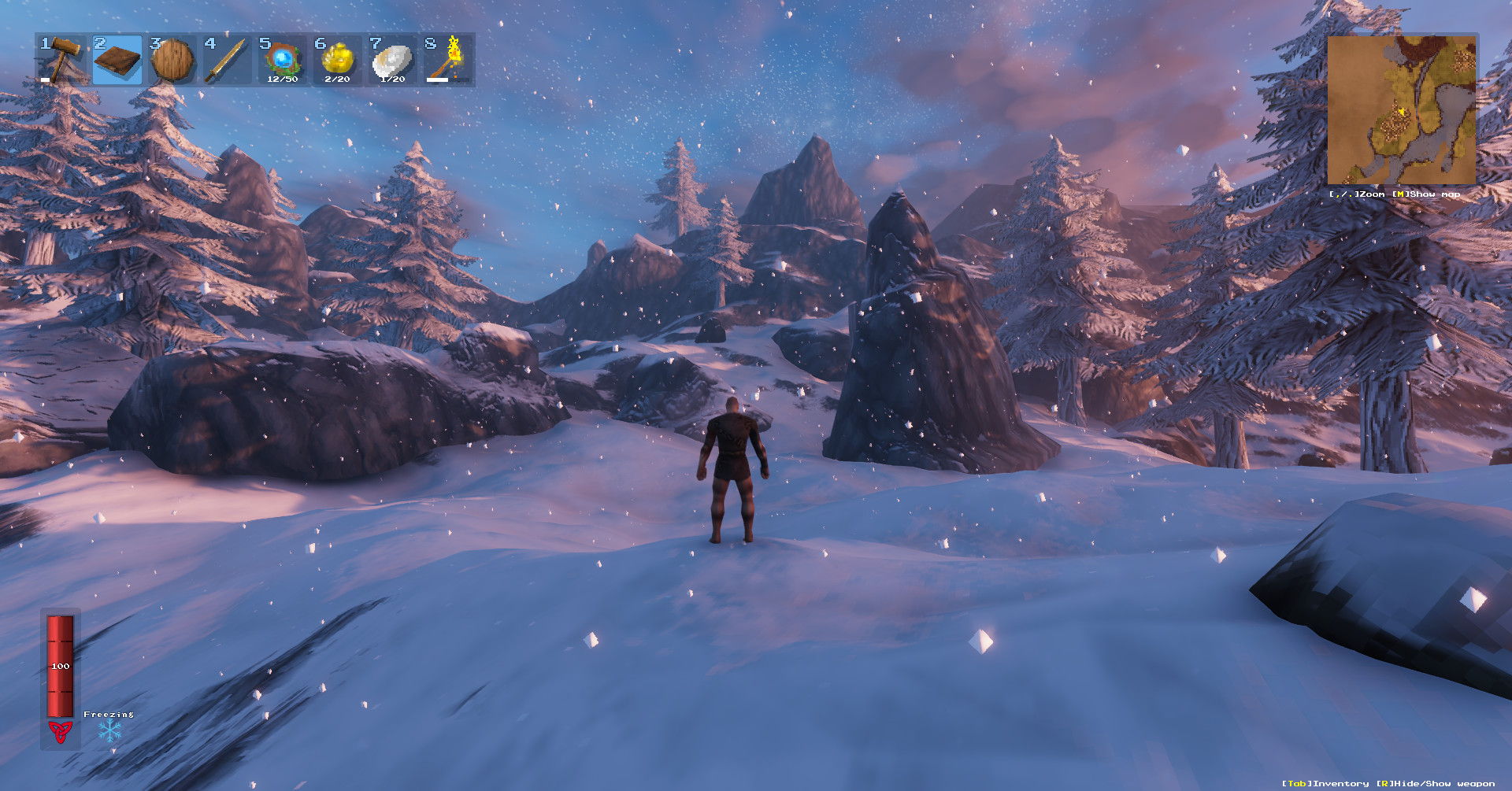
Valheim Sailing Guide
Master the seas in Valheim with our comprehensive guide! Choose the right vessel, harness the wind, stay safe, and gear up for epic adventures.
The Valheim Sailing Guide is an essential resource for players navigating the expansive oceans of Valheim. It provides detailed information on how to effectively use the available vessels, manage sea voyages, and deal with the challenges of oceanic exploration. Understanding the mechanics of sailing and the environmental factors at play can significantly enhance your gameplay experience, allowing for successful voyages in search of new territories and valuable resources. This guide aims to equip you with the fundamental knowledge needed to sail efficiently and safely within the game's vast maritime landscapes.
Raft vs Longship
When it comes to sailing the seas in Valheim, players have a couple of key vessel options: the humble Raft and the impressive Longship. Each serves its own purpose, and knowing the differences can make all the difference when planning your adventures.
The Raft: Simplicity on the Water
The Raft is the first watercraft most players craft. It's simple and easy to put together, making it ideal for early game exploration when resources are scarce.
-
Construction: Building a Raft requires 20 Wood, 6 Leather Scraps, and 10 Resin. It’s crafted at the Workbench, which is relatively easy to achieve soon after starting your game.
-
Speed and Handling: The Raft isn't known for its speed. It's a slow-moving vessel that's primarily moved by the wind. When the breeze is in your favor, it can travel at a decent pace, but against the wind, prepare for a slow journey.
-
Utility: While not a cargo vessel by any stretch, it offers a straightforward way to cross rivers or explore close, new islands without committing significant resources. Just don't expect it to withstand much damage--its durability is quite low, and it won't fare well in the face of aggressive sea creatures or harsh weather.
The Longship: The Speedy Giant
As you progress in Valheim, your crafting abilities evolve, unlocking more advanced vessels like the Longship, which serves as a perfect example of speed and power combined.
-
Construction: Building a Longship needs 100 Iron Nails, 10 Deer Hide, 40 Fine Wood, and 40 Ancient Bark. This makes it accessible only once you're fairly deep into your game, specifically after unlocking iron. The investment is hefty, but worth it for its numerous advantages.
-
Speed and Handling: The Longship is a speedster compared to the Raft. It cuts through the waves with ease, making your ocean travel much quicker. Its maneuverability is significantly better, allowing smoother turns and more responsive movements, which are essential during intense naval encounters or when dodging rocky outcrops.
-
Utility: Beyond speed, the Longship shines for its cargo capabilities. It features multiple storage slots, making it a valuable asset for long voyages where gathering resources or returning with loot is a priority. Its construction is more robust too, affording it significantly better durability when facing the treacheries of Valheim's oceans.
Choosing Your Vessel
Choosing between a Raft and a Longship ultimately comes down to your current needs and resources. If you’re starting and need just basic water transport, the Raft is your ally. However, once the game's demands grow and your reach extends, upgrading to a Longship can transform your maritime adventures.
So, whether you’re merely crossing a river or preparing for full-scale high sea excursions, understanding the capabilities of these vessels and aligning them with your objectives is the key to success on Valheim's oceans. Happy sailing!
Understanding Wind Mechanics
In Valheim, mastering the art of sailing isn't just about choosing the right vessel--it's also about harnessing the power of the wind. The game's wind mechanics are vital to sailing smoothly across its vast oceans, and understanding them can make a significant difference in your maritime experience.
The Nature of Wind
In Valheim, wind direction and speed play critical roles in sailing. The wind can be your greatest ally or an unforgiving adversary, depending on how you navigate it. You'll notice a wind indicator resembling a compass rose at the top-center of the screen while you're on your ship. This indicator shows you where the wind is coming from and its relative intensity, helping you steer your vessel effectively.
Using Wind to Your Advantage
Sailing efficiently means aligning your ship to catch the most wind. There are a few key strategies to optimize your sailing:
-
Sailing Downwind: Ideally, you want the wind behind you, which pushes your ship forward at maximum speed. If the wind is strong and directly behind you, your vessel will glide across the water with minimal resistance. This is the perfect scenario for covering long distances quickly.
-
Reaching (Crosswind Sailing): When the wind isn't directly behind, aiming for a crosswind allows you to maintain good speed. Adjusting your sails slightly to the side can still propel you forward effectively, though not as fast as direct downwind.
-
Tacking Against the Wind: If the wind is coming from your desired direction, direct sailing becomes challenging. This is known in sailing as being "in irons." To move forward, you'll need to zigzag or "tack" back and forth at an angle, capturing some wind and incrementally making your way against its direction.
Adjusting the Sails
Your vessel’s sails are just as important as the wind direction. Knowing when to raise or lower your sails can make the difference between a swift voyage and an arduous journey:
-
Lower Sails: When you want speed, lowering your sails fully captures as much wind as possible. This is ideal for long, open-water travels where adjustments are minimal.
-
Partial Sails: In tighter or more complex environments, adjusting sails to partial deploy can improve maneuverability. You’ll lose some speed, but you'll gain much-needed control over your vessel.
-
No Sails - Row Using Paddle: In situations where precise control is necessary, or when the wind is entirely against you, switching to manual rowing can be a tactical choice. It’s slow but allows for precise positioning, useful when docking or navigating through treacherous waters.
Reading the Wind Indicator
Learning to read the wind indicator is one of the essential skills for any Valheim sailor. The white arrow shows the wind's current direction, while the sail icon indicates your speed relative to the wind. Align the sail icon with the wind direction whenever possible for optimal speed.
Adapting to Weather Conditions
Weather changes can affect wind strength and direction in Valheim. Be prepared to adapt your strategy on the fly, especially during storms when winds can shift unpredictably. Always keep an eye on the horizon, and adjust your sails and course as needed.
Conclusion
Sailing in Valheim isn't just about getting from point A to B--it's about understanding and embracing the natural forces that guide you. By learning the intricacies of the wind and how to harness its power effectively, you can navigate the seas with confidence and efficiency. So the next time you set sail, keep these tips in mind, and let the wind be your guide on the waters of Valheim.
Navigation Tips and Tricks
Navigating the vast oceans of Valheim can be as thrilling as it is daunting. Whether you’re traversing serene lakes or stormy seas, a few tips and tricks can make your journeys more efficient and enjoyable.
Master the Basics
Getting a good grasp of the fundamental controls is your first step. The game uses simple WASD controls for navigation: W to raise the sails and accelerate, S to lower the sails or switch to oar, and A/D to steer left or right. The speed and direction you choose will significantly influence your voyage.
Utilize Landmarks Wisely
Use the natural surroundings to your advantage. Features like distinctive rock formations, isolated islands, and towering trees can guide you in the absence of a compass. Memorizing these natural markers can prevent you from veering off course, particularly when navigating back to familiar territories.
Know Your Map
Before setting out on any journey, take a moment to study your map. Pin important locations such as settlements, points of interest, and potential danger zones. This will give you a clearer sense of direction and help you plot a safe and efficient course. During your travels, periodically update your map with new findings to enhance your navigational prowess.
Sail by the Stars
By night, use the night sky for guidance. The game reflects natural celestial patterns that can aid in keeping your bearings. Observing the movement of the moon and stars helps maintain a consistent trajectory, especially when venturing beyond familiar coasts.
Maintain Course with Landmass Shadows
When traversing near land, consider the shadows cast by landmasses. They can help indicate your movement relative to the coast, particularly when daylight begins to fade. This approach can be a lifesaver during impromptu night-time voyages when visibility is low.
Keep an Eye on Ocean Currents
Though not always obvious, currents in Valheim’s waters can subtly alter your course. They frequently accompany gusts of wind, potentially derailing a poorly charted route. Pay attention to these changes and adjust your steering promptly to counteract them.
Defensive Navigation
The seas of Valheim are not without dangers, such as aggressive sea monsters and hidden rocks. Keep a vigilant watch at all times. If threats loom, it’s wise to have an escape route planned, using nearby islands for refuge or shallow waters for reduced creature threats.
Stay Light and Quick
Carrying a heavy load on your vessel can slow down your ship significantly. Ensure your cargo is only what’s necessary for your journey. Lightening your load helps maintain speed and makes evading hostile sea creatures and navigating treacherous waters easier.
Practice Makes Perfect
Spend time sailing in less dangerous areas to hone your skills. Familiarize yourself with your vessel’s limitations and learn some agile maneuvers. Consistent practice ensures a smoother and safer adventure when you venture into more challenging zones.
Conclusion
Valheim’s nautical adventures rely heavily on effective navigation. These tips and tricks can make your travels not only safer but also more rewarding. By leveraging natural cues, mastering your vessel's controls, and staying vigilant to potential dangers, the vast waters of Valheim can become your playground. Set sail with confidence and make your mark on every unknown coast you encounter.
Sea Encounter Survival
Sailing the open waters of Valheim introduces the potential for thrilling yet perilous sea encounters. Navigating these dangers demands quick thinking and preparation. Let's gear up for surviving whatever the sea throws our way.
Identifying Threats
Before learning to tackle threats, it's crucial to recognize them. The waters of Valheim are home to fearsome foes such as Serpents. These formidable creatures can unexpectedly appear, hunting for a meal. Learn to identify the telltale signs of their presence, like unusual wave patterns or distant disturbances, to prepare for imminent confrontations.
Equipping Your Ship
Preparation starts with equipping your vessel wisely. Ready your ship with essential gear:
-
Weapons and Armor: Make sure you and your crew are armed with swords, bows, and arrows. Consider enhancing these with upgrades and keeping a stash of extras on board.
-
Stamina-Boosting Foods: Keep a stock of meals like sausages and meat to boost your stamina, allowing for sustained combat or evasive maneuvers.
-
Repair Kit: Bring resources such as wood and resin to mend your ship mid-journey. Craft a repair bench if needed, so you won't be stranded after a skirmish.
Combat Tactics
Engaging in combat on the seas calls for strategy and coordination:
-
Distance Management: Ranged attacks are your friend. Use a bow and arrow to keep the beasts at bay while steering clear of their striking distance.
-
Maneuverability: Keep your sails ready for quick directional changes. Use the oar for tight steering to dodge incoming attacks effectively.
-
Working in Sync: If you're part of a crew, assign roles before a fight begins. One can handle the ship, while others focus on combat. This ensures both mobility and focused attack power.
Evasive Maneuvers
When combat isn't the best option, evasion becomes crucial. Using challenging maneuvers can sometimes outsmart even the most persistent predators:
-
Zig-Zag Pattern: When pursued by a sea monster, zig-zagging can throw them off their attack course, giving you a precious second to reposition or escape.
-
Wind Alignment: Keep an eye on your wind indicator and align your sails quickly for a swift getaway. Remember, distance is your ally when outnumbered or outgunned.
Seek Refuge
In some scenarios, discretion beats valor:
-
Sandbars and Shallow Waters: Monsters struggle in shallower areas, so retreat towards nearby sandbars or shallow banks for safety.
-
Nearby Islands: Islands provide a temporary haven. If pursued, disembark swiftly, use the terrain for cover, and consider setting up a quick defensive outpost.
Survival Kits
Maintaining a well-stocked survival kit on your ship is not just about beating monsters, but also about resilience after encounters:
-
Health Potions: Carry a good number of healing potions to recover in between engagements with other threats or after battle.
-
Torches and Light Sources: Nightfall makes visibility difficult; keep ample torches or similar light sources for better navigation and fighting advantage.
Conclusion
Navigating Valheim's vast waters is a pursuit filled with breathtaking moments and potential dangers. By recognizing threats, gearing up appropriately, and employing tactical maneuvers, you can handle sea encounters with confidence. Whether you engage in battle or find creative escape routes, preparation and adaptability will make your voyages more successful. Keep these strategies in your playbook, so the next time danger lurks beneath the waves, you'll have the upper hand. Safe sailing!
Essential Sailing Gear
Setting out across the vast, open seas of Valheim is exhilarating, but it requires some key tools and equipment to make your journey smooth and successful. Proper preparation elevates your chances of survival when faced with the unpredictable elements and creatures that the ocean holds.
Securing Your Ship
Before venturing far from the safety of land, ensure your vessel is in prime condition:
-
Ship Selection: Choose between a raft, Karve, or Longship based on your mission. Each offers unique advantages, from the agile and nimble Karve to the sturdy and capaciously-provided Longship.
-
Anchor Points: While not a physical anchor, knowing where you can easily dock--or disembark in emergencies--is vital. This means configuring your map wisely, marking potential landing zones beforehand.
Navigation Tools
Efficient navigation across the Valheim seas demands more than just instinct:
-
Map and Compass Knowledge: Your map becomes indispensable on sea voyages. Regularly updating it with newly discovered points of interest helps plotting courses effortlessly, while understanding the in-game compass ensures consistent heading throughout your trip.
-
Wind Indicators: Keep an eye on the wind indicator to maximize your sailing efficiency. Learning to sail perpendicular to the wind boosts speed when traveling diagonally to your destination.
Basic Gear and Resources
Proper outfitting is imperative for both short trips and extensive expeditions:
-
Sailing Equipment: Flotation tires are not an option--what you need is strong, reliable life gear. Repair materials such as wood and resin are crucial, as unexpected skirmishes can leave your vessel in dire need of repairs.
-
Tool Kit: One can never underestimate the importance of carrying a hammer and needing basic construction resources to erect an emergency shelter or repair a ship mid-journey.
Defensive Measures
Whether it’s under attack from sea monsters or severe weather conditions, a few defensive measures go a long way:
-
Basic Armory: Having a stash of arrows, spears, or a crossbow allows for quick responses when attacked at sea. Practice combat from your ship to enhance your ability to defend it effectively.
-
Sailing Armor: While heavy armor increases protection and weight, having a set of dedicated sailing armor can enhance mobility to counterbalance demanding maneuvers required in skirmishes.
Supplies for Sustenance
Long voyages demand attention to sustenance:
-
Eating Right: Carry a mix of stamina and health-enhancing foods. Things like honey, jerky, or mushrooms are lightweight options with great benefits.
-
Water Supply: Although Valheim doesn’t require drinking water explicitly, keeping hydrated logically translates to managing resources like stamina-restoring meads accurately.
Communication and Signals
Especially in multiplayer scenarios, coordination is key:
-
Chat Commands: Utilize chat to relay information promptly, whether it's warnings of incoming storms or sighting potential landfall.
-
Visual Cues: For non-verbal options, torches and other visible markers help signal direction changes or alert to danger without needing over-communication.
Safety Routines
Create habits for safe seafaring:
-
Regular Safety Checks: Before every journey, perform safety procedures such as damage inspections and restocking essential supplies.
-
Navigational Drills: Especially in multiplayer settings, practicing “man overboard” drills, or emergency stops during calmer conditions bolsters preparedness in actual scenarios.
Setting sail in Valheim becomes richly rewarding with the right preparation. By structuring each voyage with essentials and anticipating potential challenges, players can conquer the oceans with more strategy and confidence. Happy sailing!