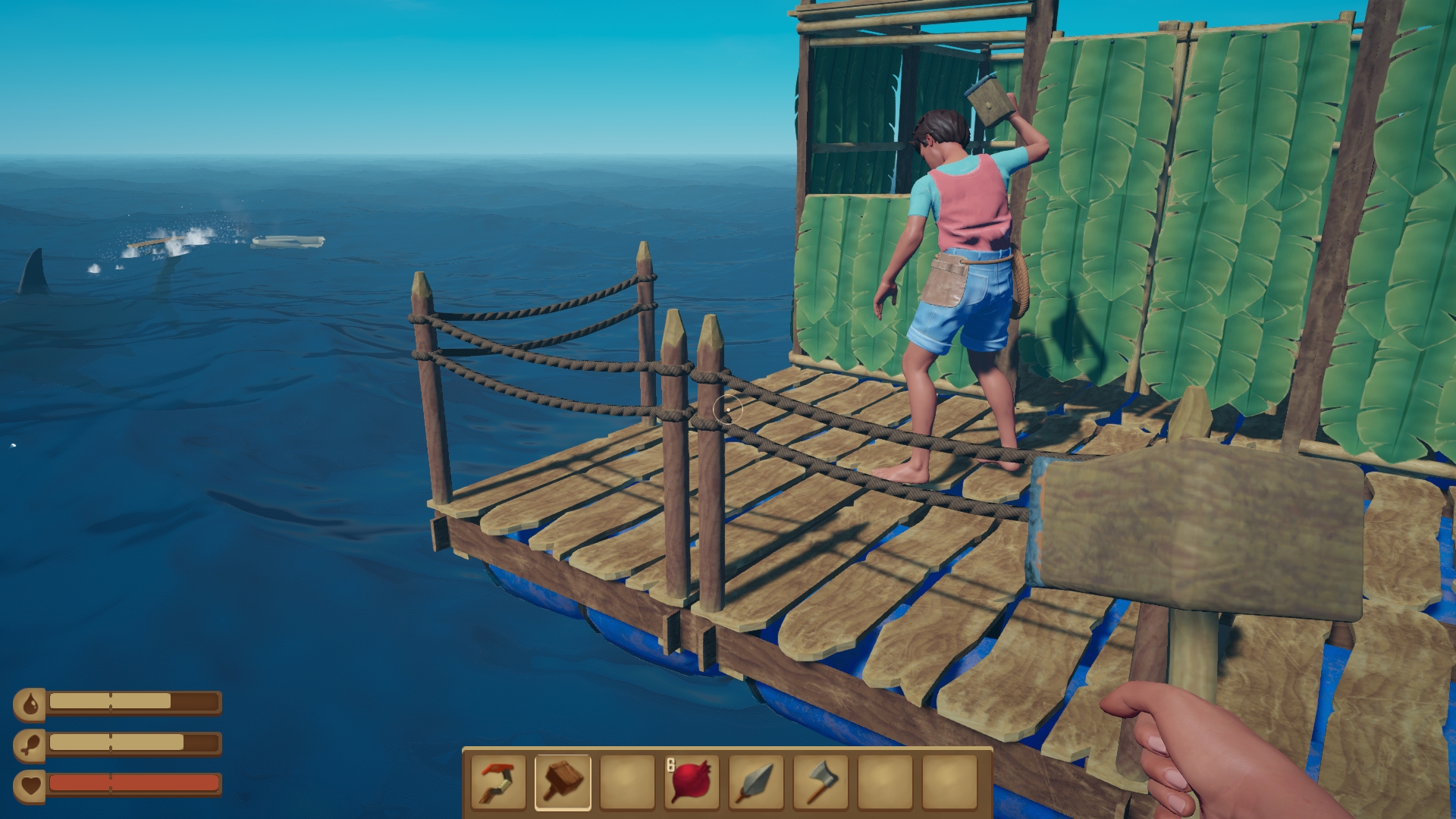
Raft Survival Guide
Master the essentials of raft survival! Learn resource collection, advanced building, shark defense, and navigation to conquer the open seas.
Welcome to the ultimate "Raft Survival Guide" - your key to thriving in the open sea! Whether you're a seasoned adventurer or just starting your oceanic journey, this guide is packed with expert tips and strategies to keep you afloat. Dive into Resource Collection Basics to master gathering essentials and unlock the secrets of Building Advanced Raft Structures to expand your floating home. Learn how to fend off and Survive Shark Attacks with confidence, and fortify your vessel with Essential Raft Defenses. Finally, enhance your adventures with Navigation and Exploration Tips that will take you across uncharted waters. Set sail with us and transform your survival skills today!
In "Raft," collecting resources is one of the most important activities you'll engage in to keep your journey afloat. Whether you're fishing for scrap or scavenging islands, knowing how to gather materials efficiently will make a sea of difference. Let's get into the nuts and bolts of resource collection, shall we?
Starting with the Essentials
When you're stranded on a raft, the first order of business is securing the essentials. Focus on gathering materials like wood, plastic, and palm leaves. These are fundamental to crafting vital components for survival, from putting together that first paddle to building a reliable water purifier.
Wood
Wood isn't just a plank in your plan; it's your mainstay for crafting. You can collect wood from the floating debris in the ocean. Keep an eye out for driftwood and barrels--these are your best bet early on. You'll use wood for expanding your raft, crafting tools, and keeping your cooking stations fired up.
Plastic
Plastic is equally as important as wood. It's used to extend your raft, create bottles, and build various essential gadgets. Like wood, plastic can be found drifting by, and it's easily recognizable due to its bright appearance. Keep your hook at the ready for these floating treasures.
Palm Leaves
Palm leaves are the unsung hero of survival. They're crucial for crafting ropes, which are used in numerous recipes. You can also use palm leaves to assemble a sail, which is your passport to new locations. Look for palm leaves entangled in debris or tucked within barrels.
Utilizing Your Tools Efficiently
Knowing how to make the most of your tools can streamline material gathering. Your hook is your best friend in the early game. Throw it out into the ocean to snag those wandering resources. Each toss counts, so aim carefully and reel in your catch steadily to avoid breaking your precious hook.
Crafting the Right Tools
As you gather resources, you’ll want to craft additional items to speed up the collection process. Things like nets can passively gather resources as you steer your raft through the ocean. Position them strategically on the edge of your raft to collect driftwood, plastic, and other materials while you focus on other tasks.
Advanced Gathering Tips
Once you've got a basic grip on gathering, it's time to step up your game. When approaching islands, be sure to check for unique resources like metal ore and clay. These require the right tools to extract, such as a well-sharpened hook or an axe. Exploring underwater areas around the islands can yield precious ores and stone.
Barrels and Crates
Barrels and crates offer a greater variety and quantity of resources than regular debris. Prioritize grabbing these when you see them floating by. They can contain rare items like seeds or even entire meals, which can be a real game-changer when you're short on supplies.
Keep an Eye on Your Inventory
In Raft, managing your inventory space is crucial. Always inventory-check to decide what to keep and what to offload. Consider crafting storage boxes to organize your materials and keep your raft clutter-free. This way, you won't miss out on potential resources due to a full inventory.
Resource collection in Raft might seem straightforward at first, but mastering it can greatly spur your survival successes. Keep these tips in mind as you brave the open sea, always ready for when your raft meets new waves of challenge. Your journey might just run smoother with these essentials under your belt. Venturing into the ocean in Raft can be equal parts thrilling and challenging. Once you've gathered the basics and your humble floating home is up and running, it’s time to start upgrading it into a formidable fortress of buoyancy. Let’s talk about taking your raft from basic to brilliant with advanced building techniques. Here’s how you can pimp up your seaworthy vessel!
Understanding the Basics
Before diving into the more sophisticated structures, ensure your foundation is well set. At the core, the raft consists of platforms, and every advanced structure will need a solid base.
Foundation Upgrades
Upgrade your foundations from wood to metal to enhance durability. Use Metal Ingots, which can be smelted from Scrap Metal acquired from underwater resource nodes. Reinforced foundations help in resisting shark attacks, providing peace of mind while you're busy expanding your raft.
Essential Tools
To shape your raft into something remarkable, have a trusty Building Hammer on hand. With it, you can create, reinforce, and repair structures. Keep resources like Planks, Plastic, and Ingots in your inventory to avoid mid-construction halts.
Planning Your Ideal Raft
As in any grand plan, plotting out a future roadmap for your raft is key. Picture your ideal layout and move towards it one step at a time.
Structure and Function
Determine which areas need development: living quarters, cooking areas, crafting stations, and storerooms. Consider situating each based on frequency of use. For example, having the cooking and crafting areas close together minimizes travel time during those lengthy crafting sessions.
Multi-Deck Design
Elevate your space by adding multiple decks. Extra levels can house bedrooms, observation towers, or even a greenhouse. This vertical expansion gives more room for essentials without sprawling outwards endlessly.
Crafting the Essentials
Before getting fancy, make sure you’ve ticked off the core elements needed for survival and efficiency.
Water and Food Supplies
Create an advanced purifier and grill. Though standard models are useful, advanced versions like the Purifier need no fuel and work faster, just place it under direct sunlight.
Navigational Aids
Build a sail and anchor system to have better control over your journey. Eventually, setting up a motor and steering wheel becomes possible, giving you greater control over direction and speed.
Adding Letting Your Creativity Flow
Now to the fun part - experimenting with style and designs that reflect your personality.
Decorative Flare
Incorporate design elements like furniture, paintings, and decorations. Crafting chairs and tables not only enhances aesthetics but also adds a cozy, lived-in feel. Brighten up space with lanterns, creating atmospheric lighting for your night cruises.
Garden Spaces
Set up crop plots for growing fruits and vegetables. A well-designed garden room, especially greenhouse-style, can become a serene retreat amidst the monotony of the ocean.
Defenses and Security
Finally, fortifying your raft is vital to keeping it safe from threats.
Shark-Proofing
Surround your raft with reinforced structures to fend off sharks. Plan your building so no corner can be easily attacked, minimizing damage risks.
Strategic Placement
Placing your defensive mechanisms strategically means fewer repairs. Decoys can further misdirect the feared shark attacks away from more valuable parts of your raft.
Conclusion
With these strategies, your raft can transition elegantly from a floating jigsaw of necessities to a floating masterpiece. Building advanced raft structures is not just about survival but increasing comfort and functionality on the high seas. Watch as your simple raft transforms into the stronghold you’ve dreamt of. There's always room to upgrade and improve, so keep your hammer close and build on! When you're adrift on the endless ocean in Raft, the presence of sharks can turn a peaceful voyage into a fierce struggle for survival. These sneaky predators constantly circle your raft, making life that much tougher. But don't worry! With the right knowledge and preparation, you can keep the sharks at bay and preserve your floating home's integrity.
Understanding Shark Behavior
Observing the Patterns
Sharks in Raft tend to follow a predictable routine. They circle your craft, occasionally diving underneath before striking. Usually, they attack the raft every five to ten minutes, attempting to chomp off a piece of your floating refuge. Use this time to plan your defense and stay vigilant.
Identifying the Threat
The gray fins are unmistakable. Once you see them slicing through the water, it's time to gear up. Sharks typically attack from the front, so adjusting your location accordingly helps keep an eye on their approach. Be alert whenever distractions like crafting or fishing might take your attention away from monitoring the lurking menace.
Preparing for an Encounter
Essential Gear
When you know there's a shark's intent on destruction, the right tools make a world of difference. Your basic spear is essential. Though simple, it's your best defense against a shark chomping on your raft. Upgrading to a stronger metal spear provides more durability and efficiency in fending off these aquatic threats.
Reinforcing Your Raft
Adding extra layers to your raft minimizes the damage sharks can inflict. Reinforce key sections of your floating abode with collection nets and strong borders. Though collecting materials like metal ingots for this can take time, the protection they provide is invaluable and can save resources in the long run.
Defense Techniques
Timing Your Attacks
When the shark zeros in on your raft and prepares to bite, your moment to strike has come. Spears need a few hits to persuade the shark to move away, so timing is crucial. Aim your swings as the shark opens its jaw, delivering powerful blows that can save your raft from damage.
Outlasting the Predator
Sharks tend to move away after about four to five successful hits. Keep tabs on your spears' durability to avoid breakage during critical moments. Eventually, after several encounters, the shark wears down, giving you some brief respite until the next one takes its place.
Resource Management
Healing and Retooling
Did the battle leave you a bit scuffed up or cost you your favorite spear? Keeping a stock of raw materials ready ensures you're always prepared for the next showdown. Balancing between crafting and preserving resources is essential for the longevity of both your toolset and your raft.
Gathering More Than You Lose
While facing off against a shark, you'll lose some planks or plastics from the raft. Keep your eye on the horizon for floating debris--collect these rapidly to recover what’s lost and stay one step ahead of the next encounter.
Shark Farming Techniques
Turning the Tables
Once you've mastered the basics, consider using the shark to your advantage. By purposefully attacking the shark until you can finish it off, you'll gain meat and a shark head trophy. Cooking the meat provides a significant hunger boost, showcasing that with strategic planning, even adversaries can become resources.
Staying afloat in Raft requires a mix of aware observation, resource management, and tactical offense. With the right mindset and preparation, you can face any shark that dares to challenge your watery reign. Keep practicing these techniques and, soon enough, you'll fend off these predators like a seasoned sailor. As you float across the endless ocean in Raft, defending your floating home is just as important as gathering resources and ensuring survival. In the vast waters, threats emerge not only from the struggles of harsh weather and limited supplies but also from the creatures lurking beneath and procedures for pirate raids. Here's how you can effectively safeguard your raft and protect your progress.
Understanding the Threats
Shark Attacks
In Raft, the notorious shark, Bruce, frequently targets your floating abode. Without proper fortification, losing parts of your structure to his relentless bites becomes inevitable. Bruce targets the edges, so fortifying these parts can stop him from nibbling away at your hard work. Wooden foundations offer minimal resistance, making it essential to prioritize their protection.
Raiding Birds
Feathery foes are another recurring problem. They not only snag your crops but also deal damage over time. It becomes crucial to guard your farming endeavors and livestock from these sneaky abridgers of your hard-earned resources.
Building Strong Foundations
Upgrading Foundations
Strengthening foundations is a game-changer. Initially, wooden foundations serve their purpose, but to withstand shark attacks effectively, upgrading to metal foundations makes a significant difference. Metal not only adds durability but also peace of mind, knowing your raft is more fortified against Bruce.
Utilizing Defensive Tools
Shark Bait
One of the most straightforward methods to stall shark attacks is using shark bait. Crafting this simple item buys you valuable time to gather resources while Bruce is otherwise occupied. Toss it into the ocean and watch as he falls for the lure. However, bait is temporary, so have extra supplies ready for crafting more if needed.
Bird's Nest
Turn the tide against pesky winged raiders by crafting a bird’s nest. Placing these on your raft not only distracts birds but occasionally gifts you with feathers or eggs. These are incredibly useful for crafting various necessities, making nests a dual-purpose asset for both defense and resource generation.
Fortifying with Automation and Gadgets
Nets
Collection nets serve a dual role. While they actively gather drifting debris, they also add an extra layer of defense for your raft's perimeter. With a series of collection nets around the edges, Bruce will have to chew through these first before targeting the heart of your floating vessel.
Strategic Placement and Planning
Defensive Layout
When expanding your raft, positioning plays a vital role in defense. Plan sections where essential items like water purifiers and grills reside, away from edges to lessen the likelihood of them being destroyed during an inevitable attack.
Heightened Structures
Going vertical can be a game-changer. Building upwards not only makes use of limited space but it moves key areas away from the direct reach of both sea and air threats. Multi-level rafts create a buffer zone, giving you added time to respond to any impending dangers.
Crafting and Weaponry
Basic Weapons
Crafting simple spears offers a hands-on approach to fend off sharks. Engaging Bruce with a spear when he attacks can be incredibly effective. Regular spear upgrades ensure you keep ahead of escalating threats.
Bow and Arrow
Preparing for bird threats includes having a steady supply of bows and arrows. With these, you can safely shoot down marauding birds from a distance, preserving crops and livestock.
In conclusion, securing your floating fortress in Raft demands a combination of strategic planning, efficient resource use, and crafting. Fortifying your raft not only prevents setbacks but ensures a stable continuation of your ocean adventures. Strengthen your foundations, utilize defensive tools, and plan your raft's layout strategically to stay afloat and ready for whatever the sea throws at you. In the world of Raft, successfully traveling across an endless ocean while scavenging for resources requires more than just luck. A keen understanding of navigation and effective exploration strategies will keep you afloat and steadily progressing. Let's break down some practical tips to help you chart your course.
Understanding the Basics of Navigation
Crafting a Simple Navigation System
Start by focusing on the essential tools for steering your raft. The sail is one of your first priorities and can dramatically change your mobility across the open sea. Positioned strategically, it harnesses the wind to propel your raft.
Building the Sail
- Head to your crafting menu, gather planks, leaves, and scrap.
- Ensure your sail is well-positioned--not blocked by other structures--to get the best wind catch.
Utilizing the Stream
The ocean currents can be your best ally if understood correctly. Streams carry valuable debris directly to you if your raft is correctly aligned.
- Observe the direction of floating debris--you'll want to maneuver the raft using the sail and paddles to stay in its path.
- Construct collection nets to passively gather supplies while you focus on other tasks.
Mastering the Art of Exploration
Island Adventures
Islands are treasure troves waiting to be explored. They offer a variety of resources that aren't available on the endless blue. However, without the right preparation, they can quickly become overwhelming.
Anchor Your Raft
- Before heading to an island, craft a throwable anchor.
- Use it before you disembark, which ensures your raft doesn't drift away while you're gathering resources.
Plan Your Forays
- Scout the island first to prioritize what resources are most critical for your immediate needs.
- Listen for animals or watch for plants and ores you might need.
Building a Receiver and Antennas
To further aid your navigation, invest time in building a receiver and antennas--these guide you to larger, story-based locations, rich with exciting loot and lore.
- Make sure all antennas are at the same altitude.
- Regularly check your receiver to track signals that could lead you to bountiful discoveries.
Staying Alert and Prepared
Keep An Eye on Resources
Effective navigation demands constant attention to your inventory. Consistently replenish your supplies, focusing on essential items such as food, water, and tool maintenance materials.
Maintain Your Equipment
Always have a backup paddle and spear. In emergencies, reliable equipment makes a big difference.
- Regularly assess the condition of your items and prioritize repair or replacement when necessary.
- Stash extra parts in your storage to stay ready for any surprises.
Watch the Weather
Wind patterns and storms can dramatically affect your course and speed. Adjust your sail accordingly and secure loose items to prevent loss during rough seas.
By following these navigation and exploration tips, you'll be better equipped to face whatever the ocean throws at you. So hoist your sail, ready your paddle, and set out with confidence. Your floating escape awaits beyond the horizon!