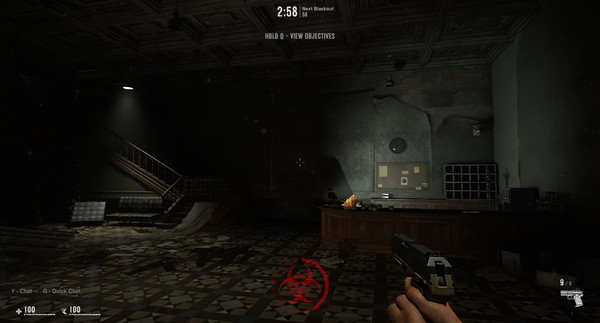
Deceit Gameplay Guide
Master the art of deception with our Deceit Gameplay Guide. Learn strategies for survivors and infected, map tips, resource management, and team communication.
Unlock the secrets of survival and deception with our comprehensive "Deceit Gameplay Guide." Dive into thrilling strategies and outsmart your opponents in this adrenaline-pumping multiplayer experience. Whether you're mastering the Survivor Strategy Essentials, plotting your way with Effective Infected Tactics, or honing your skills with Map Navigation Techniques, this guide has everything you need to dominate the game. Discover the art of Efficient Resource Management and elevate your gameplay through expert Communication and Instinct tips. Get ready to transform your strategy and emerge victorious in the world of Deceit. Read on to unleash your potential!
Surviving in the tense environment of Deceit can be a nerve-wracking experience, especially when everyone around you might be a traitor looking to sabotage your escape. With your life on the line and trust in short supply, maximizing your chances of survival becomes a thrilling dance of wits and reflexes. Here’s how you can stand on your own two feet when everything around you falls apart.
Know Your Surroundings
Map Familiarity
Understanding the layout is half the battle. Spend some time learning the ins and outs of each location. Recognize exits, choke points, and hidden paths. This knowledge not only aids in quick escapes during crisis moments but also helps in anticipating infected ambushes.
Item Locations
Items are your lifeline, quite literally. Study where crucial items like cameras, tracker guns, and antidotoes spawn. These tools can turn the tide during encounters, either stalling infected players or providing useful information to your team.
Communication is Key
Team Coordination
While suspicion runs high, the value of communication can't be denied. Use the voice chat to keep your team informed about location changes, suspicious activities, or strategies. Building a rapport, even with strangers, can help tip the balance in your favor.
Keep Calm and Listen
As much as speaking is important, so is listening. Pay attention to the nuances in others' conversations. Hesitations or justifications might be telltale signs of deceit. Trust your instincts, but also rely on what you hear.
Be Strategic with Power-Ups
Choosing Your Moments
Power-ups like cameras and traps are scattered throughout the map. Choose when to use these wisely. Overly relying on them or using them prematurely can leave you in a prickly situation when the infected attack.
Strategic Allocation
Work with teammates to decide who carries what. Spreading out power-ups across the team increases the number of viable responses during challenging moments. This diversification helps keep the potential survivor pool a bit more balanced.
Deductive Reasoning
Observations & Decisions
Stay vigilant. Observing actions, pauses, or items collected by others can provide a wealth of information. Take note of who collects what power-up and use your deductions to guide your actions and suspicions.
Questioning and Trust Building
Engage others with questions. Probe why someone took a particular action, or ask about their intentions. Building a pattern from these interactions aids in laser-targeting suspicions and gradually narrowing down potential threats.
Managing Crisis Situations
Split or Stick Together?
Determining when to stick with your team or venture alone is pivotal. While sticking with the group feels secure, don’t let sheer numbers equate to safety. Sometimes it might be beneficial to separate, gaining distance from potential threats, yet be wary of moving alone, especially when lights go out.
Panic Control
The tension can escalate quickly. Avoid panicking. Panicked movements or decisions often spell doom. Keep cool, assess the situation objectively, and lean into your prepared strategies. Timing is everything, especially when lives hinge on the balance.
Know When to Distrust
Trust is a luxury. Learn when to be suspicious and when to open up. Guarding your trust but being open when required is the tightrope you must balance on. Constant vigilance is your ally in this fight for safety.
By mastering these strategies, you significantly increase your chances of outmaneuvering threats and surviving the labyrinth of deceit. Being equipped both with knowledge and adaptability ensures you're not just relying on luck, but skill, as well. Good luck out there, survivor. In Deceit, absorbing the role of an Infected demands cunning, strategy, and misdirection. As an Infected player, your ultimate goal is to eliminate the Innocents without drawing unwelcome attention. Here’s a detailed look at the tactics you need to master to successfully execute your fiendish plans.
Sabotage and Deceive
Create Chaos
One of the key advantages as Infected is leveraging chaos. Keep the Innocents guessing by disrupting their communication. You can achieve this by activating and deactivating levers and breaking lights to create mistrust. This scattered communication often leads people to suspect one another, giving you the edge to plan an attack unnoticed.
Plant Seeds of Doubt
Convincing the Innocent players to question each other is crucial. Whenever suspicion arises, make sure to fuel it. Act as if you’re an Innocent by supporting accusations or subtly shifting blame onto others. Carefully balance between being assertive and staying under the radar to not expose your true identity.
Controlling the Environment
Manage Blood Bags
Blood bags around the map are essential for transforming into Terror form. Learn the routes and locations of the blood bags. When it's safe, drink them or blame someone else if caught. Remember, deliberate use of blood bags at opportune moments can have a game-altering impact.
Manipulate the Lights
Darkness is your ally. Keep an eye on the lights and be the one to sabotage them. Tackling the lights will keep Innocents on their toes and create the perfect setting for ambushes. Shape the environment to your advantage where blurred vision fuels fear and makes them easy targets.
Timing is Everything
Wait for the Right Moment
Acting too soon can ruin your efforts. It’s essential to wait for the opportune moments to strike. Transform into Terror when Innocents are grouped or distracted, as this makes it easier to attack several players before they can respond effectively.
Strategic Transition
Make sure to plan where you’ll transform back to human form after using Terror. Avoid locations where Innocents will quickly notice and call you out. In addition, anticipate where movement might be less predictable and use those areas, such as narrow corridors, for smoother escapes.
Master the Terror Form
Effective Use of Terror
Transforming into your Terror form is possibly your biggest strength. Use it wisely by studying common player habits and attack personalized ambushes tailored to each setting. Aim to trap multiple Innocents in confined spaces to maximize your havoc, remember swift, fierce strikes are best.
Retreat When Necessary
Don’t overstay your welcome as Terror. If you see players retaliating, make a tactical retreat. Switch back to your human form in a safe spot and blend in. Acting nonchalant and supportive until the suspicion cools down, drawing attention away from you.
Continuous Adaptation
Learn from Every Game
After each match, take the time to evaluate what worked and what didn’t. Figuring out patterns and mistakes can enhance your gameplay. Whether it's spreading false rumors or how you manage resource timing, be prepared to adapt your strategy to align with how other players react.
The role of an Infected is not just about aggression but smart planning. By mastering these tactics, you are well on your way to outsmarting and outlasting the Innocents. Stay sharp, be unpredictable, and remember - sometimes the most silent plans yield the loudest outcomes. Navigating the maps in Deceit can greatly impact your survival and success in the game. Given the adrenaline-fueled urgency and intense environment, mastering this skill can keep you one step ahead of the infected. Here's a comprehensive look at how you can effectively traverse the different maps and boost your chances of survival.
Understanding the Layout
Each map in Deceit has a unique layout with several areas, corridors, and points of interest. Familiarity with these features is vital for not just evading the infected but also planning strategic moves. Take time to observe the layout during quieter moments. Knowing where different items and objectives are positioned can make all the difference.
Key Areas
- Main Hub: This central area often connects to multiple paths and is usually near significant items or objectives. It's a good place to orient yourself when lost.
- Dark Corners: These areas can be risky as they often provide good ambush points for infected players. Be cautious and avoid complacency when entering dimly lit locations.
- Choke Points: These are narrow spaces where you might be forced into confrontations. Use them to your advantage by preparing ambushes or dodging pursuers efficiently.
Movement Strategies
Being smooth and swift with your movements helps in outmaneuvering foes and reaching objectives quickly. Here are some tactics to keep in mind:
Route Planning
- Memorize Escape Routes: Always have an escape plan. Knowing the quickest way out of a dangerous situation can prevent you from getting cornered by the infected.
- Loop Maneuvering: Utilize loops in the map to confuse and create distance from pursuers. This tactic can leave your opponents running in circles while you gain ground.
Stealth and Speed
- Walking vs. Running: Running attracts attention and draining stamina too quickly can leave you vulnerable. Walk when exploring or when near potential danger zones to maintain a low profile.
- Crouching: This quieter movement reduces noise and visibility but should be used sparingly to avoid being an easy target.
Item Collection
Maps are scattered with items essential for survival. Knowing where to find these can be a game-changer.
- Track Objectives: Objectives are strategically placed, often making them hotspots for confrontations. Approach with caution and stay alert for traps.
- Resource Spots: Ammo, cameras, and other items tend to appear in specific locations. Learn these spots to quickly gather necessary equipment at the start or between encounters.
Map-Specific Tips
Each map has its quirks and learning them can offer a tactical advantage:
- Map Awareness: Pay attention to visual and audio cues that hint at nearby danger or opportunities. Sound often provides vital clues to player proximity and activity.
- Environment Interaction: Some maps have doors and objects that can be interacted with to block pursuers or create advantageous positions.
Practice Makes Perfect
Dedicate time to learning each map thoroughly. Spend additional time in Casual Mode to familiarize yourself without the high-stakes pressure of Ranked Play. This practice allows you to experiment with various strategies and discover hidden nooks you might not notice during intense matches.
By combining these navigation techniques with keen observance and strategy, you'll improve your chances of evading infected players and claiming victory. Keep practicing, and you'll soon move through the maps with confidence and ease. Efficient resource management can turn the tide in Deceit, giving you or your team the upper hand. Let's break down the essentials of gathering and utilizing resources effectively in this thrilling game of trust and betrayal.
Understand the Resource Types
Deceit offers several resources critical to your survival or success in exposing the infected. Familiarize yourself with these types to understand their potential impacts:
- Blood Bags: Essential for infected players to unleash their terrifying transformations and wreak havoc.
- Objectives: Cameras, antidotes, and ammo are vital for innocents to defend themselves and fulfill their ultimate goal.
- Ammo: Crucial for defense and disabling threats, especially during the blackout periods.
- Health Kits: Restore your health when you're in a tight spot after a skirmish.
- Torches: Temporarily blind infected, allowing you to escape their grasp.
Prioritize Your Needs
In Deceit, knowing what resources to prioritize can mean the difference between life and death. Here's a breakdown of what to focus on:
- Innocents should prioritize collecting cameras and antidotes early in the game. These tools are imperative for identifying and reviving fellow teammates when suspicion arises or an ally is downed.
- Infected should aim to stealthily collect blood bags without raising suspicions. Being too blatant in your collection can alert innocents, making it challenging to execute your plans.
Effective Resource Collection
Being efficient in resource collection involves timing and discretion. Here are a few tips:
- Coordinate with Teammates: Communication is key. Share any intel about where items are and strategize who should go where to maximize resource gathering.
- Be Discreet: For infected, maintaining discretion while collecting blood bags is paramount. Wander off alone in search for blood bags when other players aren't nearby.
- Prioritize Objectives in Safe Zones: Use time wisely. During daylight phases, innocents should focus on gathering as many resources as possible while it's relatively safe.
Holding Your Ground
Once you've collected resources, knowing how to utilize them effectively ensures you're prepared for anything:
- Share Resources: Work together with your allies to ensure everyone is adequately equipped. A well-equipped team stands a better chance of surviving.
- Utilize Items Sparingly: Ammo and health kits should be used judiciously. Always ask yourself if the encounter or situation truly necessitates their use.
- Strategically Place Traps and Use Cameras: When trying to unmask infected players, use traps and cameras to catch them in the act. It can confirm suspicions and turn the group against them.
Adapt on the Fly
Situations in Deceit can change rapidly. Adapting to your current state of resources is crucial:
- Reassess Constantly: Always reassess resources after each blackout or objective phase. Adapt your strategy based on what's left in your inventory and what's available in your surroundings.
- Spot Deception: Pay attention to who misses objectives or acts suspiciously around key resources. This might give insights on who’s trustable and who isn’t.
Efficient resource management requires a mix of keen observation, collaborative effort, and careful planning. Developing these skills enhances your experience in Deceit, ensuring you're ready for whatever challenges the game throws your way. In the intense and chilling world of Deceit, communicating with fellow players and trusting your instincts are key elements that can mean the difference between survival and elimination. Whether you're an innocent or infected, understanding how to effectively communicate and manage your instincts is crucial for success. In this guide, we will break down these components to help you better manage your gameplay.
Communication
Effective communication in Deceit requires both clarity and strategy. As the game progresses, your ability to share information and deceive others is critical. Here's how to approach it:
Vocal Communication
Talking with others is vital. Use your microphone to alert teammates about suspicious behaviors or to justify your own actions. Clear and concise information is more likely to be trusted. If you see someone drinking blood, don't hold back--let others know immediately.
However, be wary of constant talking. Excessive chatter can make you a suspect and lead to distrust. Balance your communication by speaking when necessary but also listening to what others are saying.
Non-Verbal Cues
Keep an eye on players' movements and body language. Non-verbal cues, like sprinting away after a blackout or pausing near blood bags, can indicate someone's intentions. Convey non-verbal signals yourself by moving strategically, such as staying with groups to show you have nothing to hide.
Use gestures purposefully. In some scenarios, pointing or nodding can inform others without flagging attention from those nearby. Mastering these subtle moves adds depth to your communication repertoire.
Instinct
Instincts play a huge role in determining who to trust and when to act. Trust your gut feeling, but also apply logic and observation to make informed decisions.
Reading Situations
Learn to assess the environment quickly. If you find yourself alone with another player during a blackout, be cautious. Trust your instincts, but look for additional signs to support your suspicion.
Always question everything. If events don't add up, maybe there’s more going on than meets the eye. Scrutinize behaviors with suspicion and base conclusions on a combination of logic and gut feeling.
Balancing Instincts and Evidence
While instincts are important, they shouldn’t override concrete evidence. Gather proof to support your instincts by observing actions over time. Discuss your suspicions with others and look for support to confirm them.
Stay open to feedback from other players; sometimes, your instincts might mislead you, and it is important to remain adaptable. Evaluate instances where your instincts were wrong and learn from them to sharpen your decision-making process.
Conclusion
In Deceit, honing your communication and instincts can significantly impact your gameplay experience. Clear verbal interactions combined with strategic non-verbal cues will strengthen your position, while trusting and refining your instincts will guide you through complex situations. Keep these strategies in mind as you navigate Deceit's challenges, and you'll be better prepared to outwit your opponents. Safe gaming!